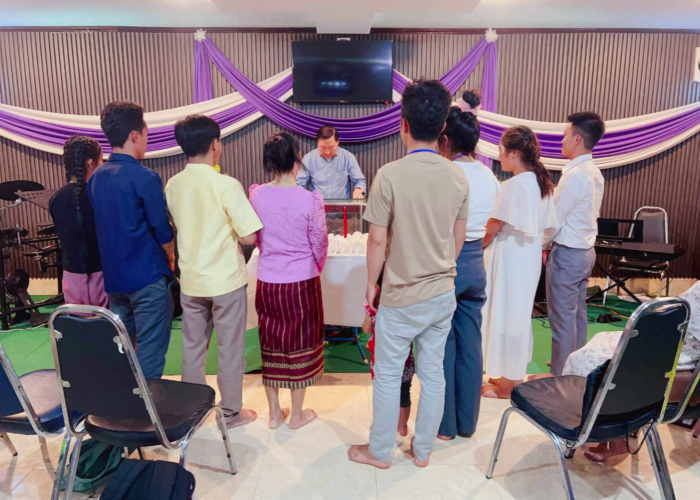
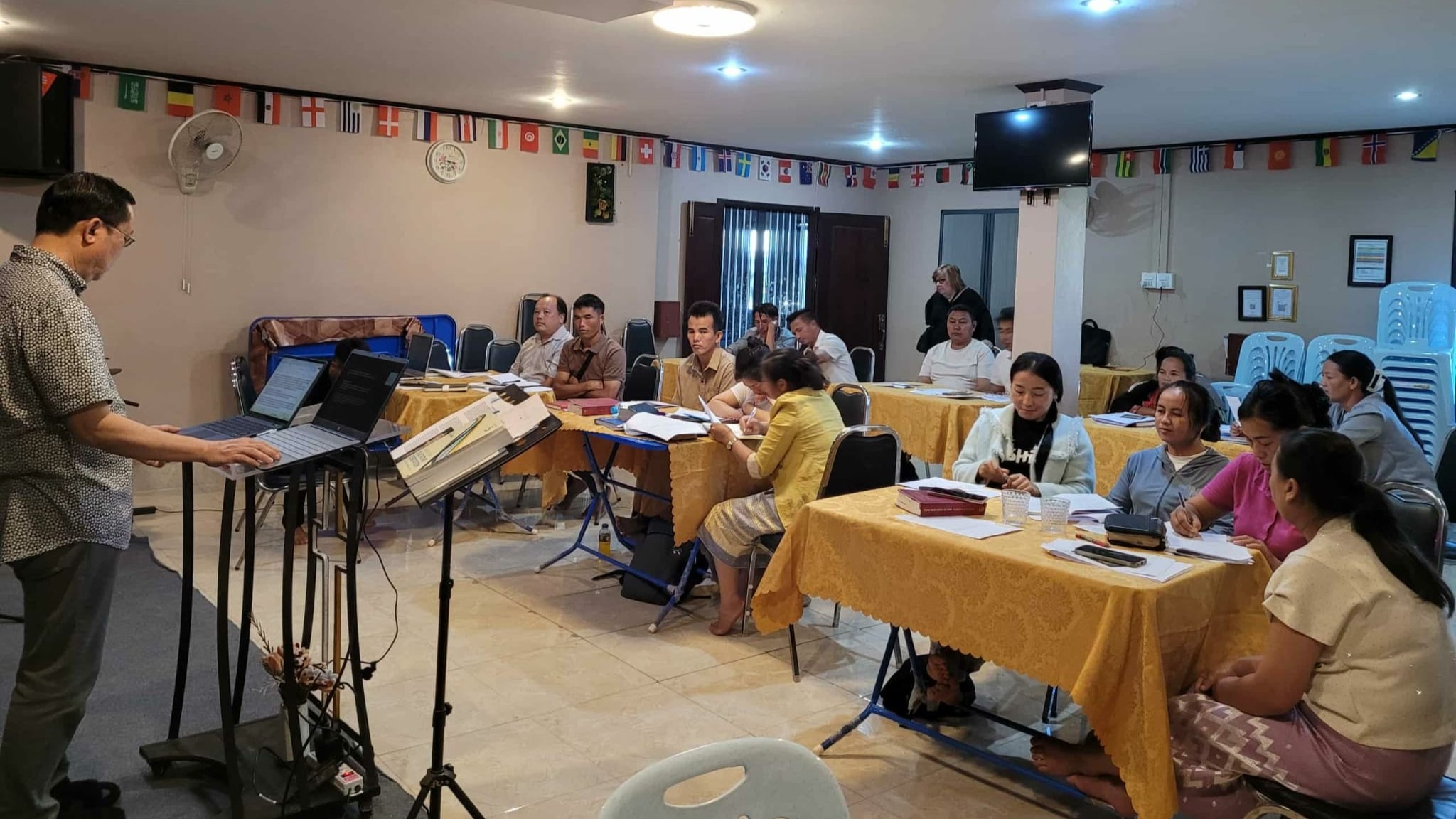

When Memee Yang scanned the room during a three-day Compassionate Care seminar — the co-ed version of Sister Care seminars — for Hmong couples in Southeast Asia* in March 2025, she noticed a pattern: The women sat on one side of the room, and the men sat on the other.
Addressing the women, Memee asked: “Who is your partner? Come and sit next to each other, so I can see who your partner is.”
“The women and the men looked at me, and the women said, ‘We’ve never sat in the church with our husbands before,’” recalled Memee. “We are not comfortable with that.”
Memee felt saddened by the response but having grown up in a traditional Hmong family herself, she wasn’t surprised.
The Hmong, an ethnic minority group originally from southern China, have endured persecution, war and displacement since the 18th century. Today, their largest populations live in southwest China, Southeast Asia (Laos, Thailand, Vietnam) and the United States.
In traditional Hmong culture, Memee explained, women are taught subservience: husbands pay a dowry for their brides and wives learn to submit and obey, even walking behind their husbands in public to avoid bringing shame.
Christianity, as introduced to the Hmong people by missionaries in the 1950s, largely reinforced this sexist hierarchy, using the biblical story of creation as “proof” that women are the cause of sin and created to serve men. In many churches, women are barred from teaching or decision-making, leading them to believe God only works through men.
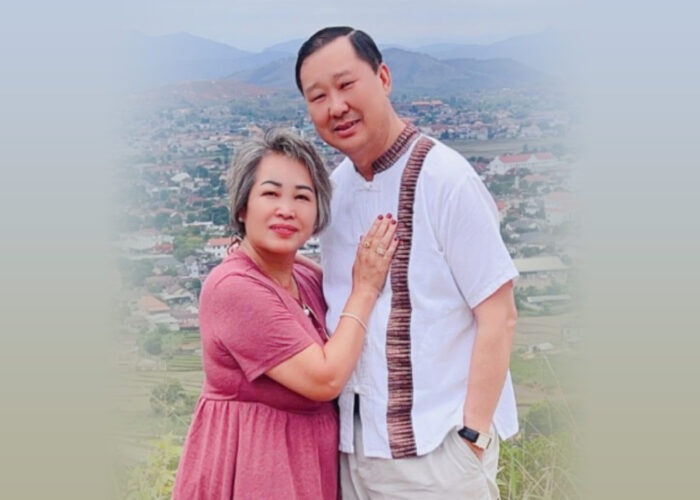
As mission associates with Mennonite Mission Network, Memee and her husband, Jonah Yang, sharing a transformative counter-message with Hmong Christians: God created both men and women equally in the divine image, with shared dignity and worth.
In Genesis 2, Jonah explained, “The woman is formed from the man’s side — not to imply hierarchy but shared identity and equality.”
This vision challenges deeply rooted norms in many Hmong churches, requiring careful, respectful communication.
Guided by participant feedback, Jonah and Memee developed a program that is proving to be successful. Their three-to-four-day Compassionate Care workshops blend Bible study, personal storytelling, and practices of mutual care and respect.
The curriculum they use is based on the Sister Care program, designed for women’s healing and empowerment, and developed by Carolyn Heggen and Rhoda Keener for Mennonite Women USA. The Compassionate Care material includes added lessons to help men heal and grow alongside their wives.
Couples aren’t together for the entire program, which makes this newest iteration unique. “Sometimes, men and women have difficulty opening up in front of each other,” Memee said, “but, when we separate them and bring them back together, they talk; they really do.”
For Memee, a trained social worker, authentic dialog is where change begins. “I truly believe that everybody has something — their own story, their own pain — that they need to share with somebody,” she said. With this in mind, the Yangs altered the program to encourage sharing between spouses.
The Yangs, based in North Branch, Minnesota, balance preparing for international mission trips with Memee leading Bible studies and Jonah pursuing a Masters of Divinity through Anabaptist Mennonite Biblical Seminary (AMBS). Jonah is also an AMBS Journey Missional Leadership instructor and preaches regularly. Together, the couple provides counseling services for individuals who have attended their seminars.
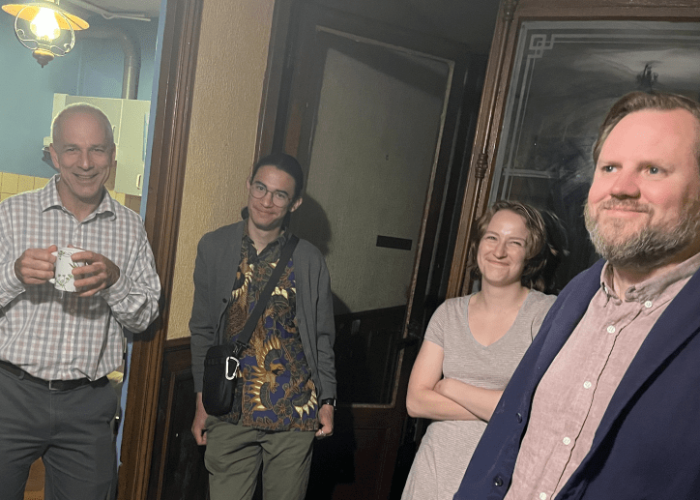
In 2025, they made two trips to Southeast Asia, accompanied by David Miller, a teaching associate at AMBS. There, they debuted the co-ed workshop. The response was encouraging.
Men with somber faces returned after breakout sessions smiling at their wives. One woman shared that her husband apologized for not knowing how to love her properly and vowed to love her as Christ loves the church. Another happily reported her husband now helps in the kitchen. Memee said, “You don’t see a [Hmong] man who cooks with his wife or does the dishes.”
Not everyone embraces the message. One group they visited was especially resistant. At the end of the retreat, a pastor stood up and told the group, “Memee said you can cry, but in the Bible, it says do not cry.” Memee felt disheartened. “I want them to grow in faith, to love each other as Christ has loved us.” But she accepts free choice. “Accepting God is a choice,” Memee said. “God does not force us, and we don’t force people.”
Instead of taking rejection personally, Memee decided that her job “is to go and teach. If they invite me back, I’ll go. If they don’t invite me back, I won’t go.”
During the Yangs’ October 2025 trip, they led two Compassionate Care workshops, including one for a group of 41 church leaders. While there, they received more invitations to return and are already planning two trips for 2026, one from February to March and one during the summer, if funding allows. The October trip was sponsored by Mennonite Women USA and Emmanuel Mennonite Church, in Lauderdale, Minnesota.
“I truly believe that the Holy Spirit is at work,” Memee said. “When God’s moving, we just have to join in.”
Jonah and Memee Yang are mission associates with Mennonite Mission Network. Your financial gifts make their ministries possible. For more information about how you and your congregation can support their ongoing work, click here.
*Specific locations undisclosed due to ministry sensitivity.