Language school and sensory adventures in Taiwan
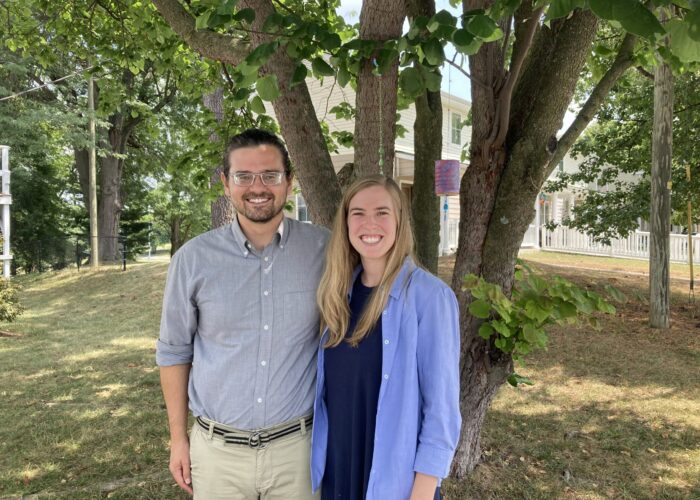
Caleb and Stephanie Schrock-Hurst serve at Mennonite Christian Hospital (MCH) in Hualien, Taiwan. Established in 1948, MCH is the largest Mennonite hospital in the world and a major regional teaching hospital, with over 500 beds and 1,000 staff.
After a few weeks here on Taiwan’s beautiful east coast, our days have settled into a steady rhythm: focused language study on weekdays and recovery and exploration on weekends.
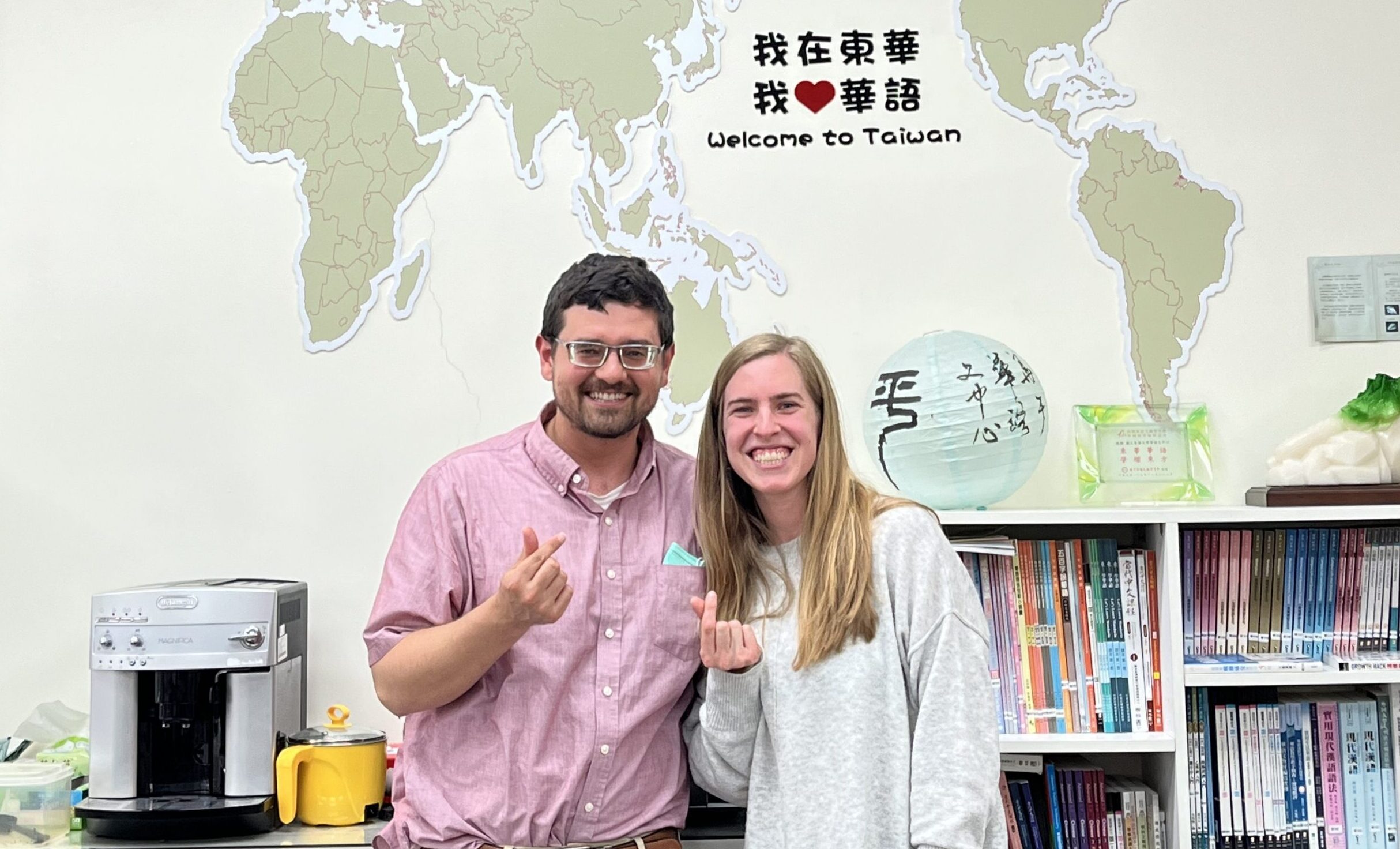
We began full-time Mandarin classes on March 9 at National Dong Hwa University (NDHU), a spacious state university located in Shoufeng Township, roughly a 25-minute drive from our apartment. Caleb and I are in different classes — I’m in Level 2 and he’s in Level 3. While this means we spend long days at NDHU (my morning class and his afternoon one creates a schedule that runs a little more than 9-to-5), it’s proving to be the best arrangement for our individual progress. While one of us is in class, the other can focus on reviewing or homework without distraction.
The long days can feel tiring, but they also help us stay disciplined. We’re both making good progress, and our colleagues at Mennonite Christian Hospital (MCH) have been generous with encouragement, often commenting on how quickly we seem to be picking up the language.
Weekends look different. We explore Hualien City (we recently discovered a wonderful thrift store), study at a local coffee shop, enjoy lunch with new friends, attend the local Mennonite church, and catch up on chores and rest. These slower days help us recharge and feel more connected to our new community.
Stepping into service
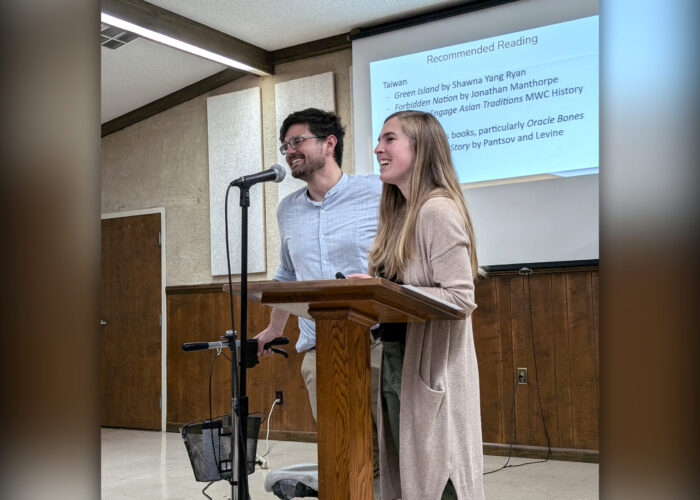
Even though language study is our focus right now, we were excited to begin an English-language Bible study at the hospital recently. This weekly group brings together hospital staff — nurses, development team members, supervisors, and others — to learn about biblical leaders while practicing English conversation. It’s been a fun way to build relationships with our new colleagues.
I’ve started volunteering once a week at the nursing home attached to the hospital’s Shoufeng branch, just a 10-minute drive from the university. After my morning class, I go there to help with a new “coffee hour” that began last month. Local cafés take turns coming in every other Friday to brew fresh coffee and offer small sweets for the residents. The elderly residents, most of whom are wheelchair-bound, absolutely love it.
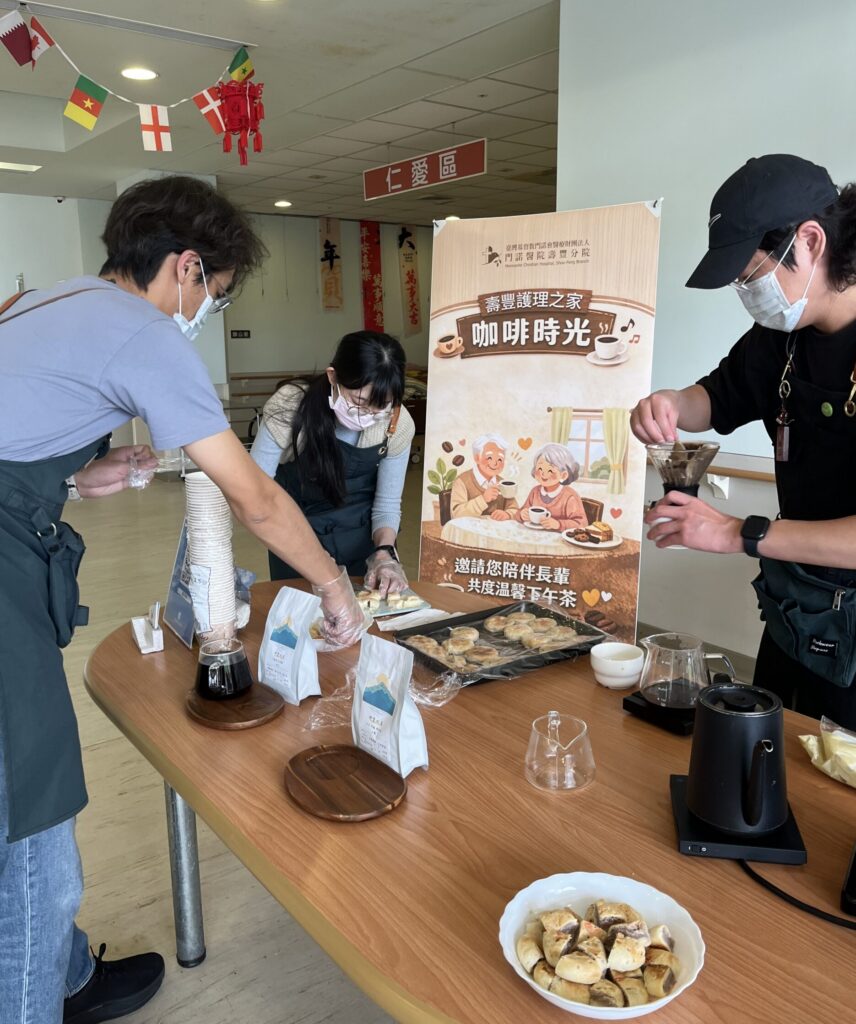
Serving coffee quickly became one of my favorite parts of the week. I’ve enjoyed getting to know the residents. They are wonderfully patient as I practice my Mandarin and even teach me a few words in Taiwanese. These small moments of connection feel meaningful and remind me why we’re here.
Experiencing Hualien through the senses
Living in Taiwan brings a mix of new and familiar sensations.
What we feel
Taiwan sits on the Ring of Fire, so earthquakes are part of life. We experienced our first significant one (magnitude 5.7) late one Thursday evening while getting ready for bed. The shaking disorients you — you can’t find your footing, and the clanging of objects in the apartment adds to the unease. My heart raced, and I had to focus on deep breathing. The quake lasted less than a minute, but within two minutes we received calls and a text from hospital colleagues checking on us. Their calm reassurance — “If no one is yelling in your building, there’s nothing to worry about” — helped us relax.
We’ve now felt three quakes around magnitude 5, and each one feels a bit less alarming. As locals often say, “The only people worried about earthquakes are those who aren’t from Hualien.” Taiwan’s strict, frequently updated building codes provide us with confidence the buildings will withstand the shaking.
What we hear
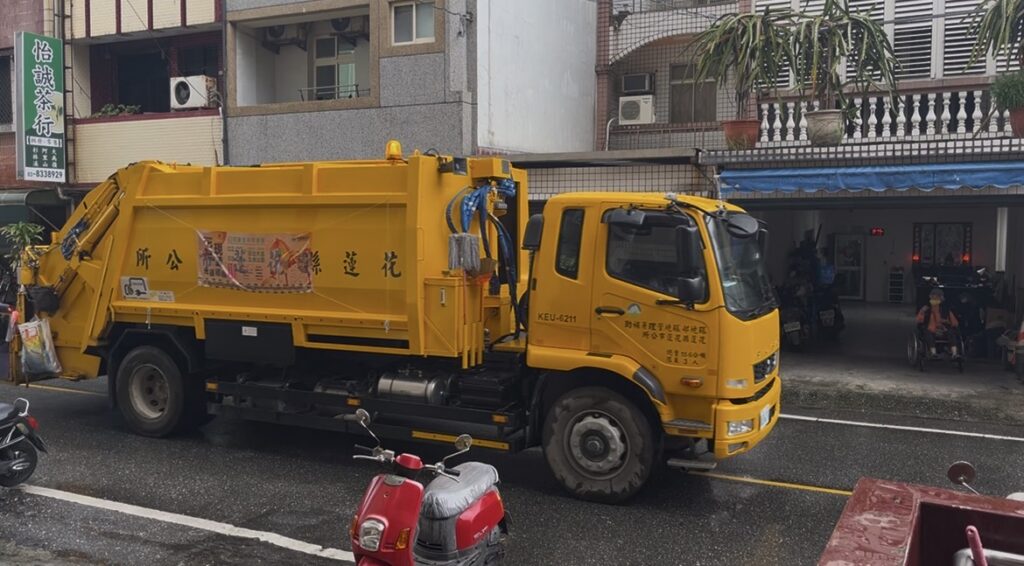
Every afternoon, we hear cheerful music drifting through the neighborhood. In our first jet-lagged days, we excitedly thought it was an ice cream truck making frequent rounds. I even joked that daily visits might become annoying, particularly when trying to get over jet lag. It turns out the music signals the arrival of the garbage truck! Unlike in the U.S., residents don’t leave bags curbside — you must throw your bags into the truck yourself. In Hualien, the truck plays the catchy tune to alert residents of its approach.
What we see
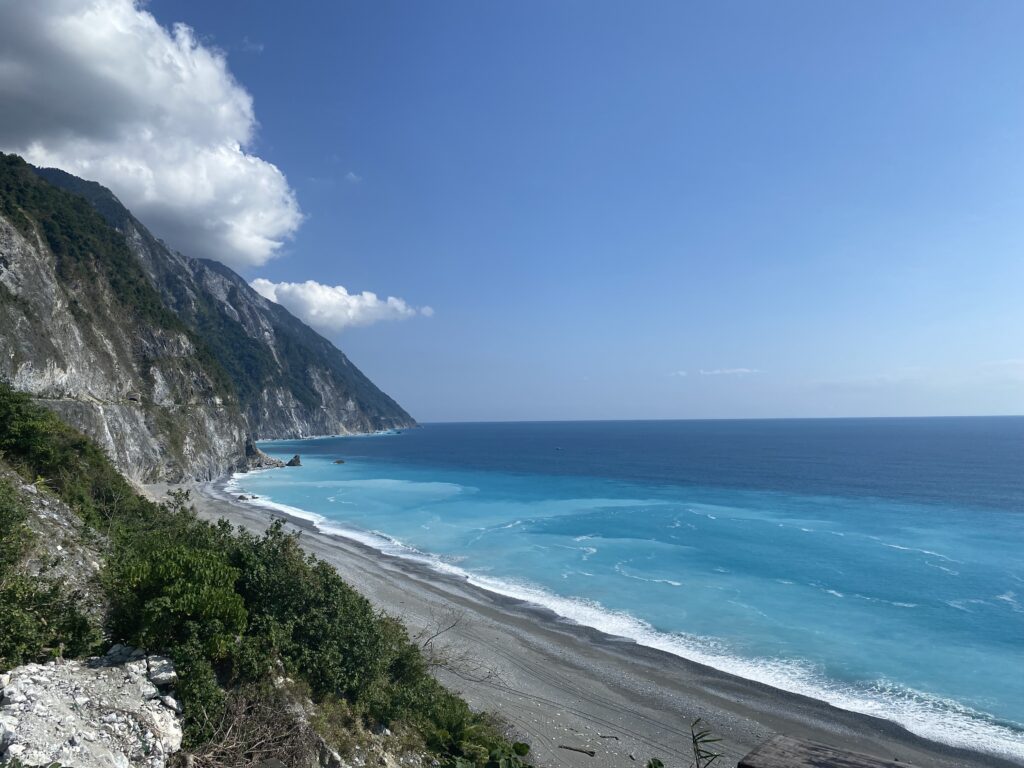
Hualien sits dramatically between the rugged Central Mountain Range and the vast Pacific Ocean, making it one of Taiwan’s most scenic places. We enjoy running or walking along the coastal path that starts near the port. We sit and watch cargo ships dock and unload. Then, heading south, we continue along a tree-shaded section of trail before crossing a wooden pedestrian bridge over an inlet. Here, the view suddenly opens, and we have a full view of the ocean.
What we taste
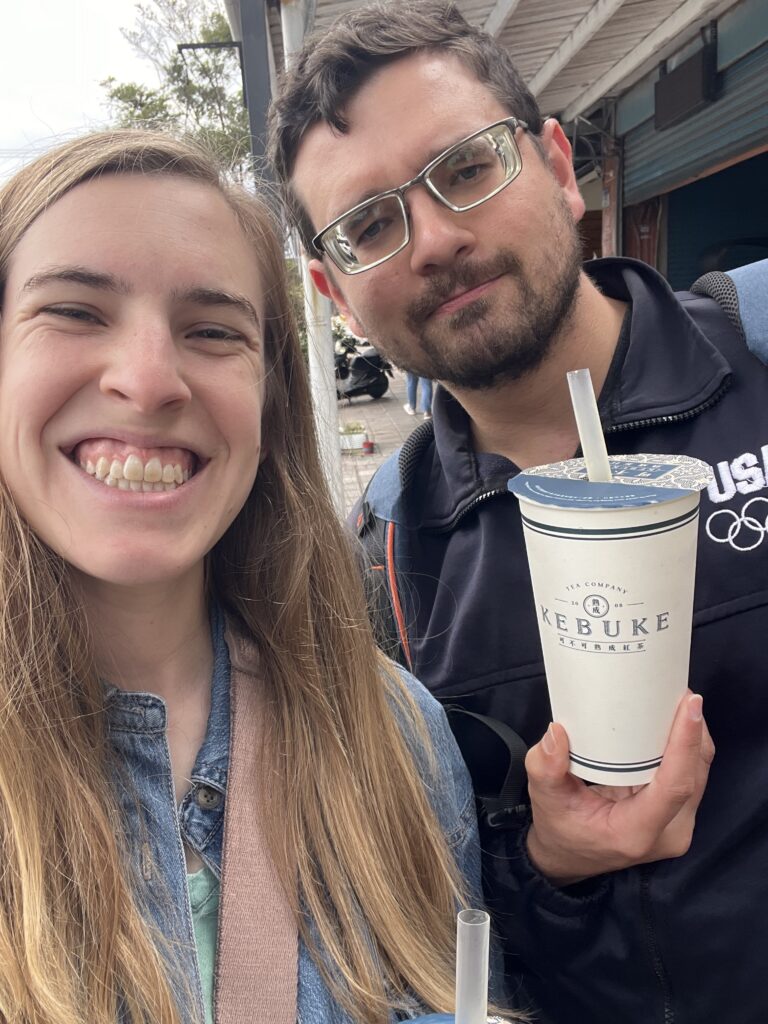
Bubble tea has quickly become our go-to afternoon treat, especially on warm days or after finishing an “adulting” task (like taxes). The university campus doesn’t sell it, so we’ve limited ourselves to weekends — with only one accidental double-bubble day so far. As I told some Taiwanese friends with a laugh, “We know this is very 外國人 (wàiguó rén — foreigner) behavior, but we’re okay with it.” (Disclaimer: As a public health nurse I do not recommend this habit.)
What we smell
Though it’s not officially the rainy season yet, frequent showers have brought the rich, earthy scent of wet soil and fresh greenery. It feels pleasantly familiar — much like the first hints of spring back in the U.S. I’ve always loved how changing seasons carry their own smells, and that comforting aroma of rain on warm earth makes this place feel a little more like home.
Gratitude amid transition
We’re deeply thankful for the new friends we’re making here and for technology that keeps us connected with loved ones back home.
Looking ahead, we have about two more months of intensive language study before transitioning to full-time work with Mennonite Christian Hospital. The foundation we’re building now feels essential and exciting.
Hualien continues to surprise and welcome us — one class, one conversation, one ocean view, and one earthquake at a time.
Be part of what God is doing and take the next faithful step.
Donate to this ministry through our General Fund.