The sun rose over the Bellville campus of the University of the Western Cape (UWC) on Monday, January 12, 2026, casting long shadows across the lawns.
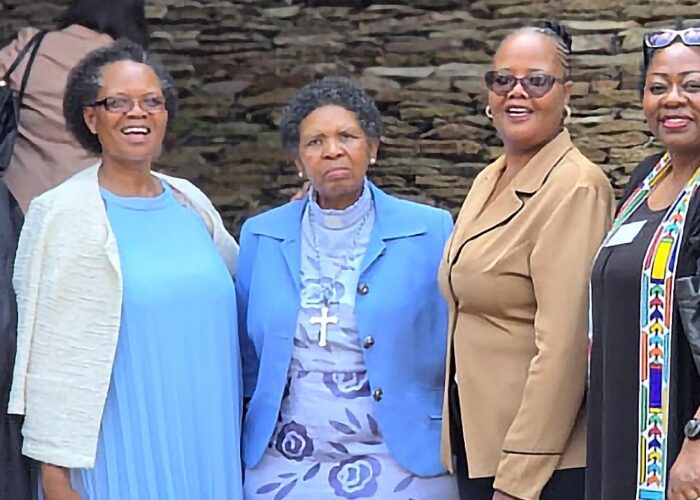
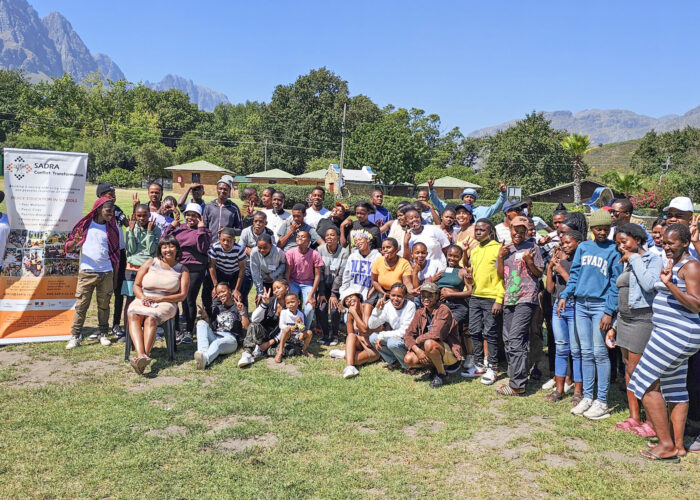
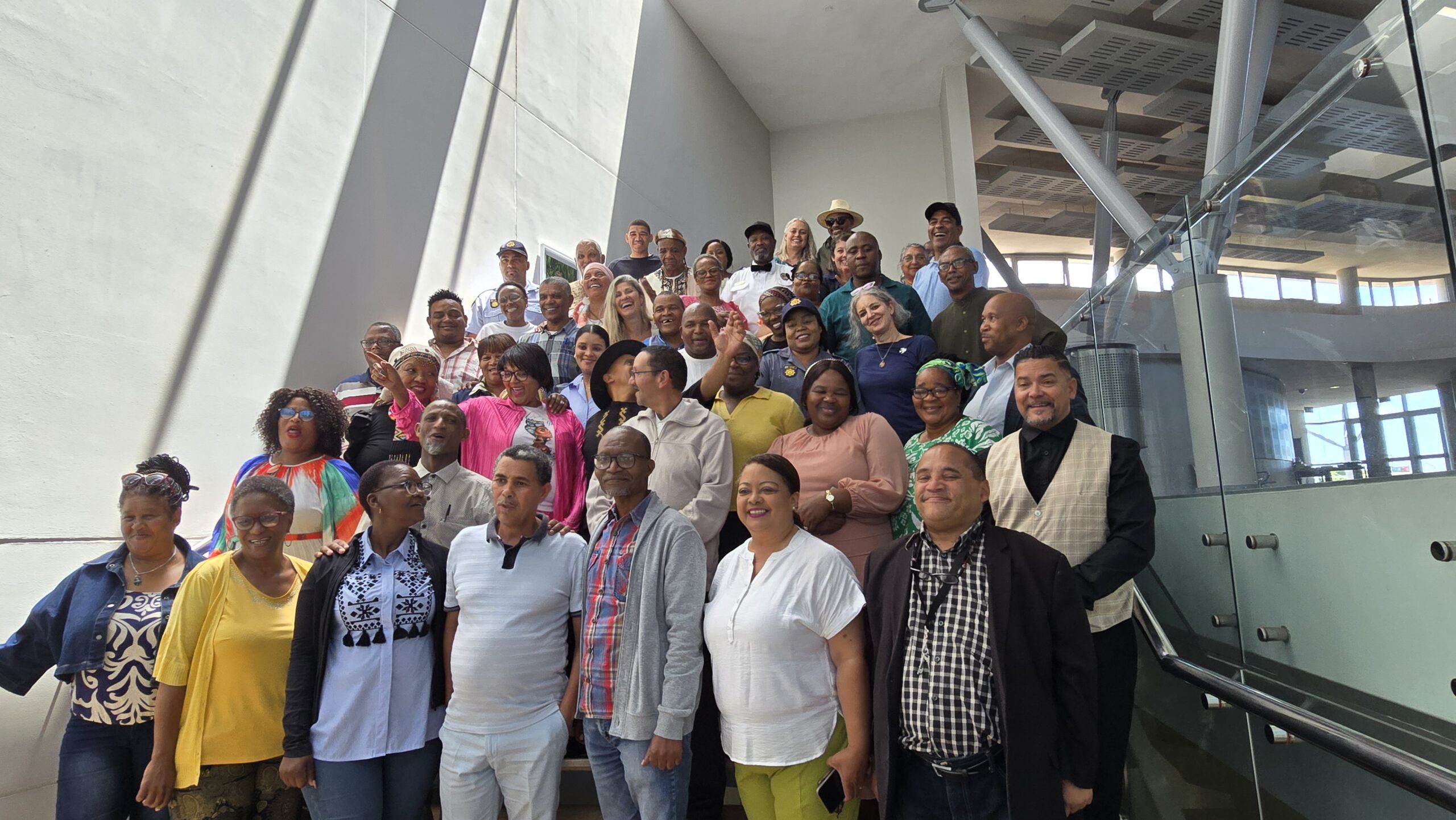
Forty‑four religious leaders — pastors, imams, reverends, traditional healers, and other faith-based figures from communities identified as crime and violence hotspots across the City of Cape Town Metro, in Western Cape — arrived for the start of an intensive five‑day workshop.
They gathered under the metaphorical shade of a Baobab tree in the spirit of ubuntu — a space of knowledge exchange and skills strengthening where everyone contributes, and everyone grows. These men and women were selected for their influence in neighborhoods where crime intertwines with despair, moral erosion, and unseen spiritual battles.
Conflict mediation
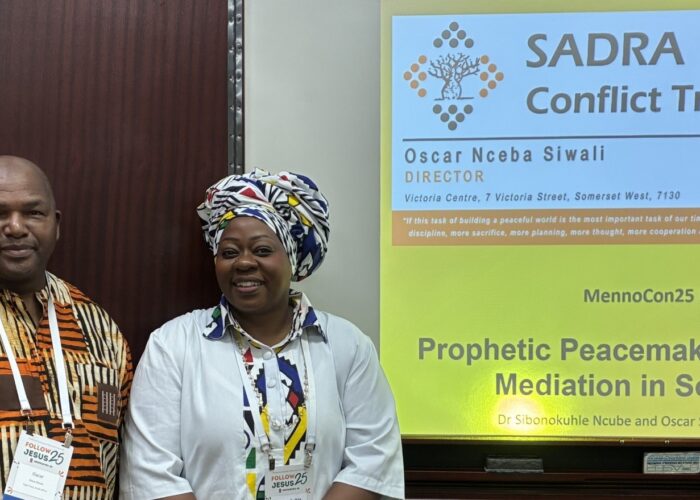
The “Conflict Mediation for Spiritual Crime Prevention Leaders” workshop was a collaboration between the South African Police Service (SAPS) Western Cape Provincial Command, the Centre for Transformative Regulation of Work, established by the Faculty of Law at UWC, and Mission Network partner South African Dispute Resolution Agency (SADRA). SADRA’s experienced facilitators led the sessions, drawing on years of work in transforming conflict in South Africa’s divided spaces.
The program stemmed from a longstanding partnership between SAPS and faith-based organizations that recognized traditional policing alone does not heal the wounds fueling conflict and violence in communities. By engaging spiritual leaders, the initiative seeks to complement arrests and patrols with community dialogue, moral guidance, prayer, and reconciliation — addressing not just the symptoms of crime and violence but its roots in broken relationships, fear, and a loss of shared values.
Spiritual Crime Prevention Leaders
By equipping Spiritual Crime Prevention Leaders with stronger mediation skills, SADRA fosters homes where conflicts are resolved, and peace is restored. In such environments, young people are more likely to remain safely indoors rather than on the streets, where they risk being drawn into gangs or caught in dangerous situations.
Over the five days, the leaders gathered in seminar rooms and outdoor circles, learning practical mediation skills: active listening without judgment, reframing heated accusations into shared concerns, facilitating restorative conversations between victims and offenders, and navigating cultural and religious sensitivities. Role-plays simulated real scenarios — family disputes escalating into gang threats, youth caught between peer pressure and community expectations, and neighborhoods torn by accusations of witchcraft. The facilitators emphasized de-escalation, empathy, and the power of faith as a bridge rather than a barrier.
Workshops
Mornings began with collective prayers, lament and reflection. Voices rose in Afrikaans, English, Xhosa, and other languages, invoking peace and wisdom paired with singing and dancing, pausing to pray for the nation, and against gender based and sexual violence, extortion and to reduce high murder rates. Afternoons featured guest speakers from SAPS and UWC, who shared stories of successful collaborations: prayer walks that calmed tense areas, faith leaders intervening to prevent revenge cycles, and joint community events that rebuilt trust. Evenings were for personal sharing and reflection with families. Leaders spoke of the challenges they face back home, the spiritual warfare they perceived in rising crime rates, and violence and sense of despair in communities. They hope that this training equips them to be peacemakers in their communities, families, congregations and streets.
As the workshop concluded, the leaders carried new tools: mediation frameworks, conflict transformation techniques, and a renewed commitment to partner with police not as informants but as co-builders of safer communities.
The 44 leaders returned to their communities. Some organized follow-up prayer gatherings; others began mediating small disputes before they escalated; a few reached out to local SAPS stations to propose joint initiatives — all planting seeds of reconciliation in hopes of weaving a stronger fabric of peace across South Africa.
Siwali explained:
Participants go back to their communities, to build peace by intervening and mediating in conflicts. We will reconvene to hear their reports on February 18 and to share challenges encountered. Then the cohort will plan their certification ceremony.