Pilgrimage in Photos: Disciples of Christ Civil Rights Pilgrimage

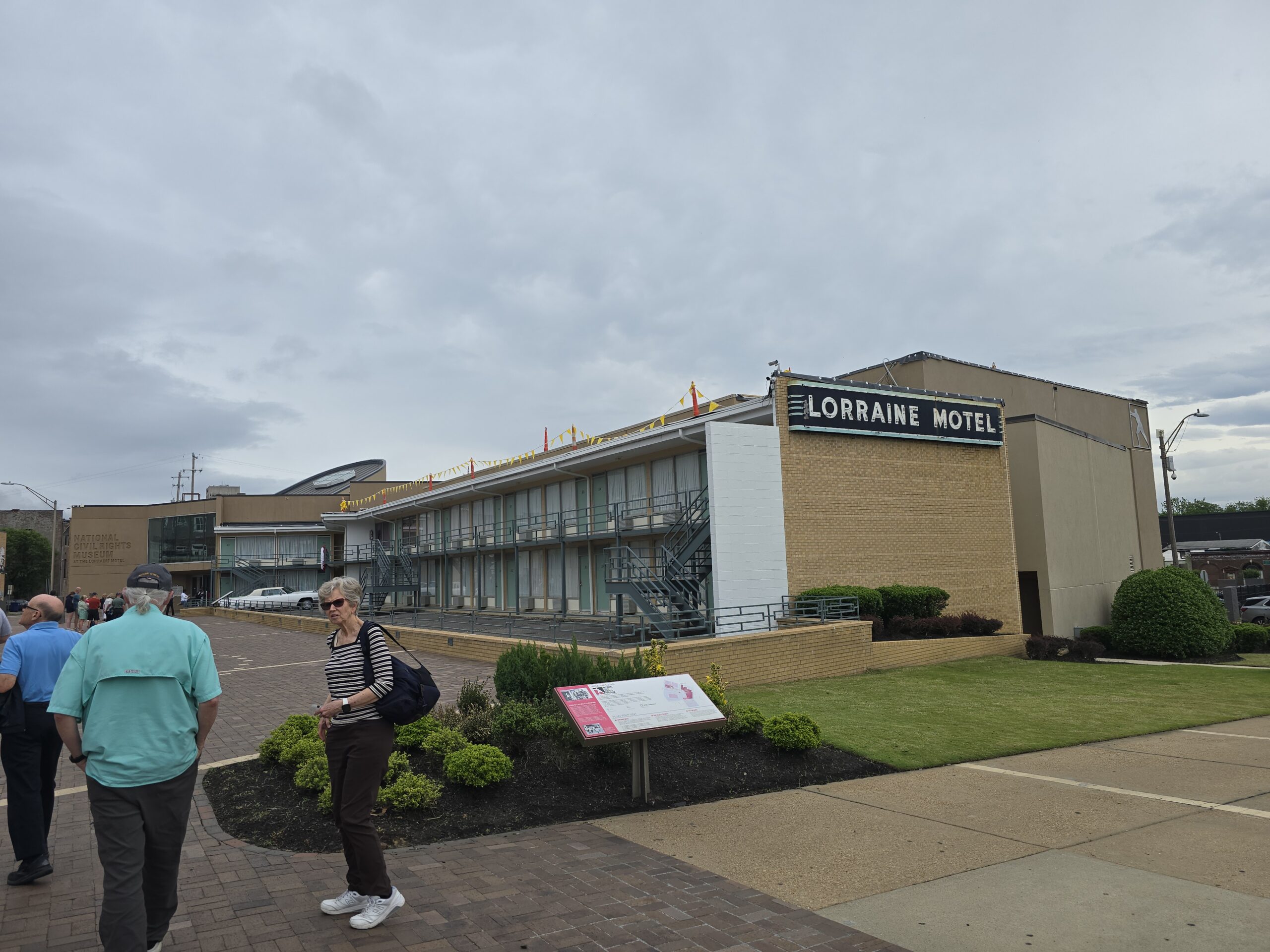
The pilgrimage visited the National Civil Rights Museum in Memphis, Tennessee. Tom Mason, Sally Mason, and Loy Hoskins approach the building, still labelled Lorraine Motel, the place where Dr. Martin Luther King, Jr. was assassinated in 1968. Photo by Natalie Dixon.

From April 13-19, a group of 11 people from the Disciples of Christ denomination embarked a Civil Rights Just Peace Pilgrimage. Together, they heard first-hand reflections from Civil Rights Movement participants and learned about the struggle for dignity and humanity from museums, significant places and powerful memorials. These photos offer a glimpse of what they saw and experienced — though they capture only part of the story. 
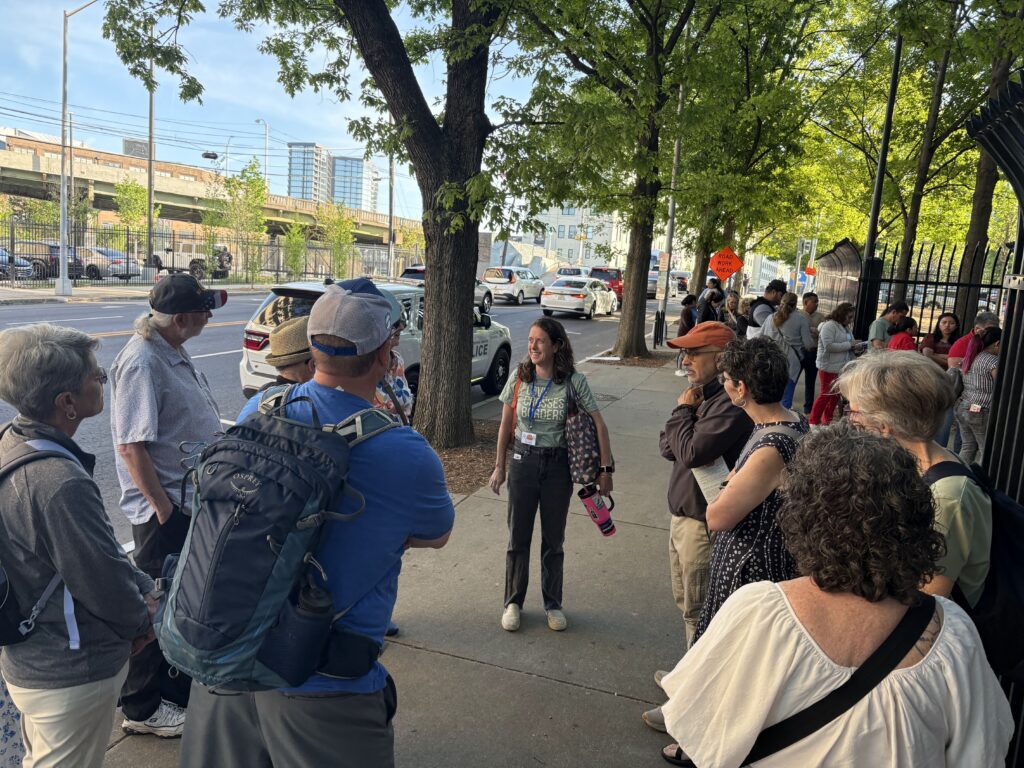
The pilgrimage started out in Atlanta, Georgia, where they met with representatives of Casa Alterna, an Atlanta-based organization that specializes in accompanying asylum seekers and sheltering people who are migrating. Photo by Sara Gurulé.
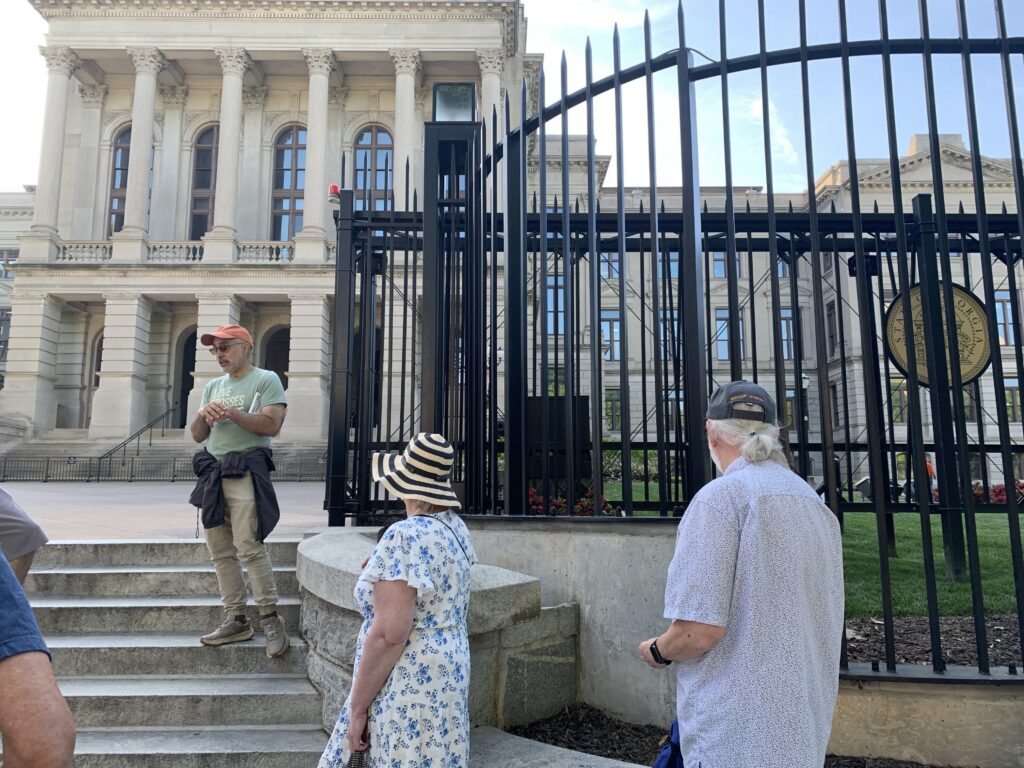
Anton Flores (left), co-founder of Casa Alterna, stands in front of the Georgia State Capitol building, speaking about the “D’s” of migration: Displacement, Deserts (both literal and figurative), Dehumanization, and Demonization. Theta Miller (center) and Loy Hoskins (right) listen with the rest of the group. Photo by Tom Mason.
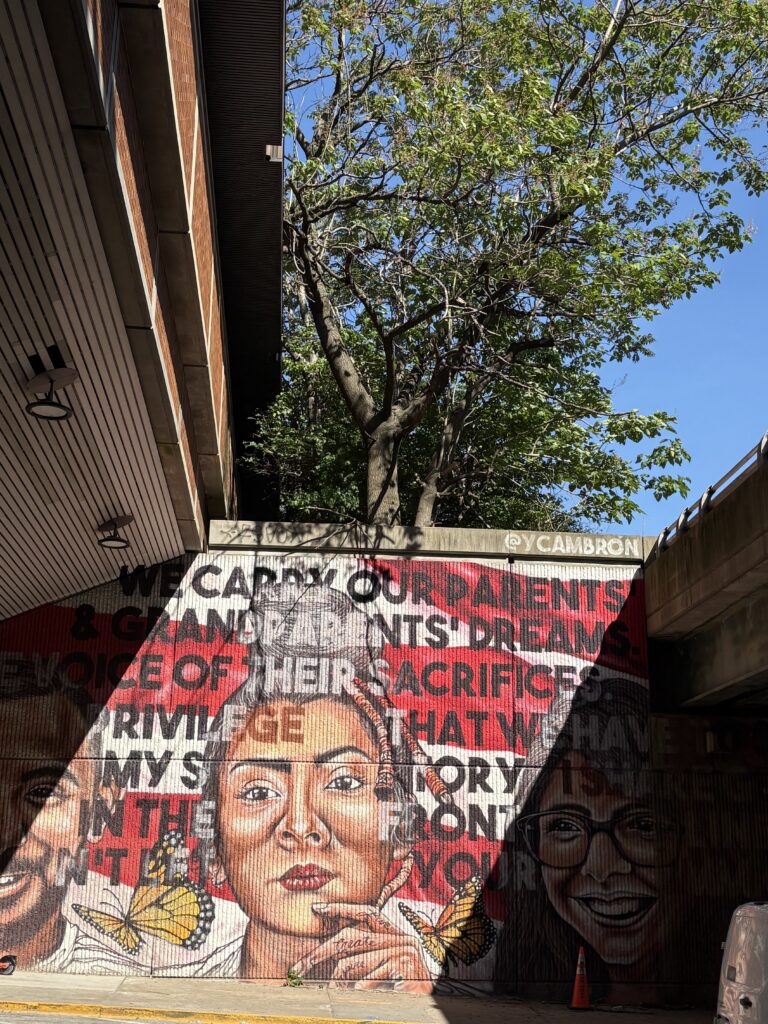
This mural beneath a bridge near Georgia State University is entitled “Monuments: We Carry the Dreams” by artist Yehimi Cambrón Álvarez. Photo by Sara Gurulé.
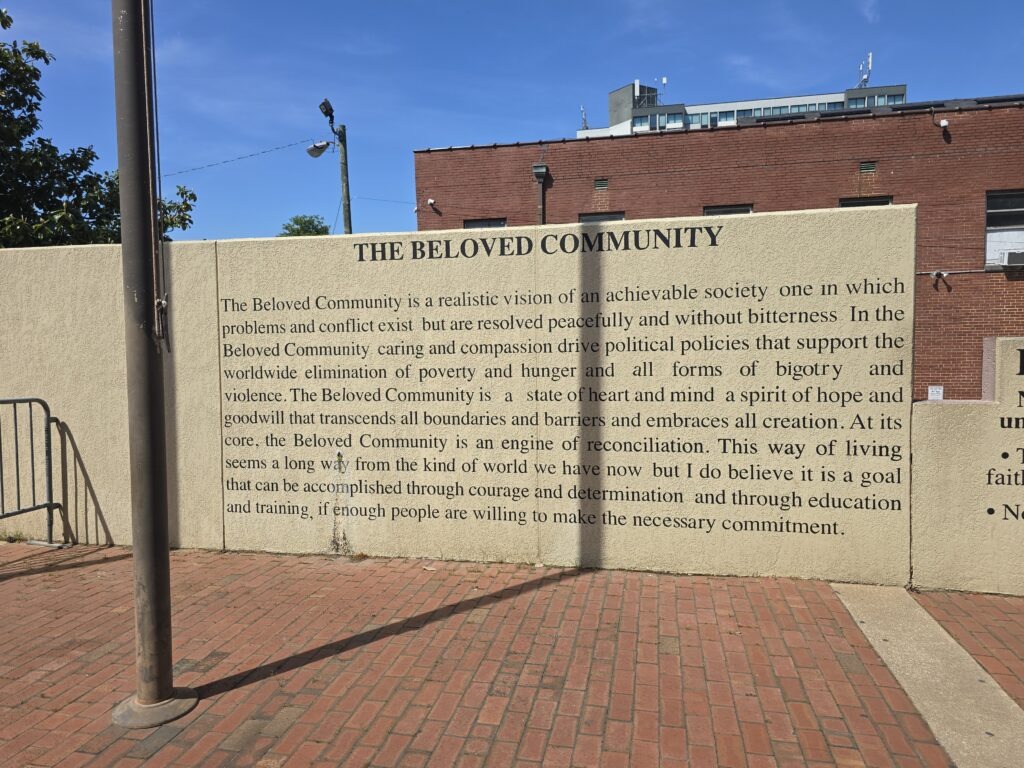
Participants took turns reading aloud from this quote etched into stone at the Martin Luther King, Jr. National Historical Park. They offered phrases that stood out to them and talked about how those phrases are relevant to our lives today. Photo by Natalie Dixon.
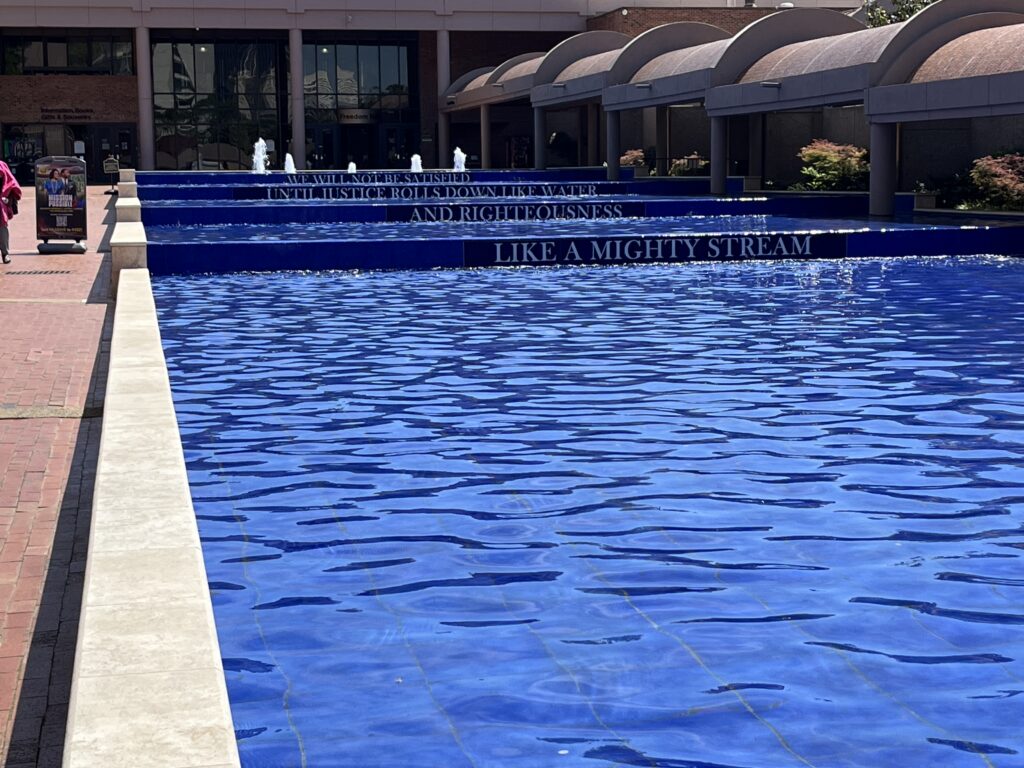
The reflecting pool at the Martin Luther King, Jr. National Historical Park. Just out of the picture to the right, in the center of the pool, is the tomb of Dr. King and Coretta Scott King. Photo by Sally Mason.
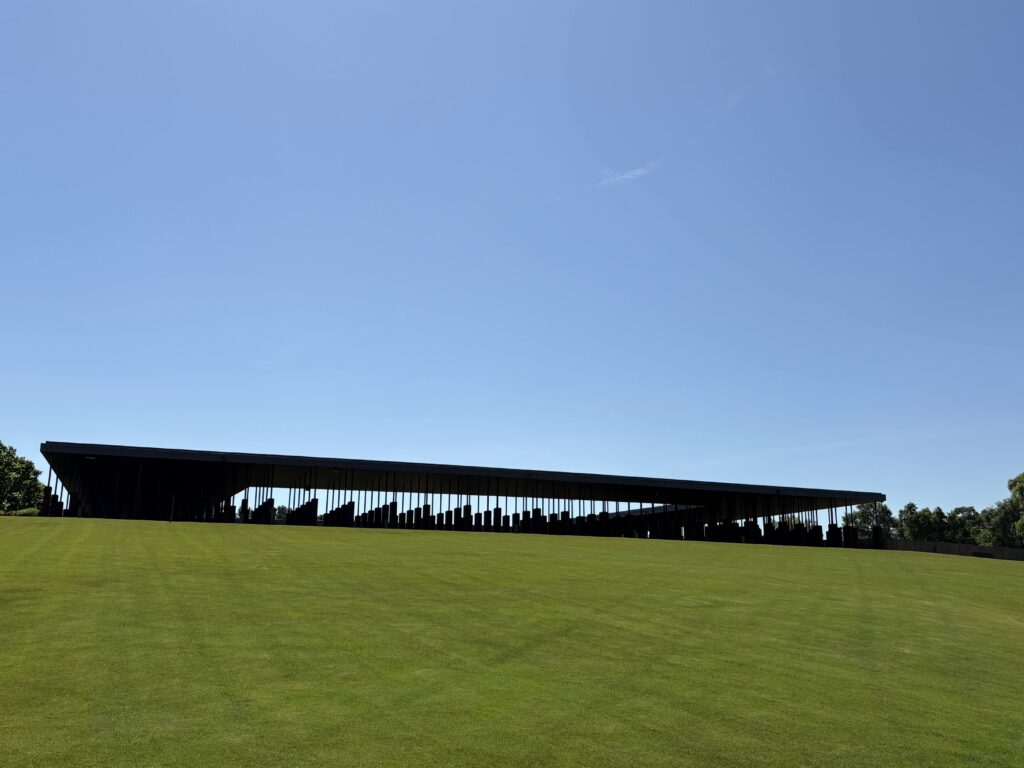
The National Memorial for Peace and Justice sits atop a hill in Montgomery, Alabama. Each weathered steel monument represents a county where at least one racial terror lynching took place between 1877 and 1950. The names of more than 4,400 Black people are engraved on each monument, each one a victim of lynching. Photo by Sara Gurulé.
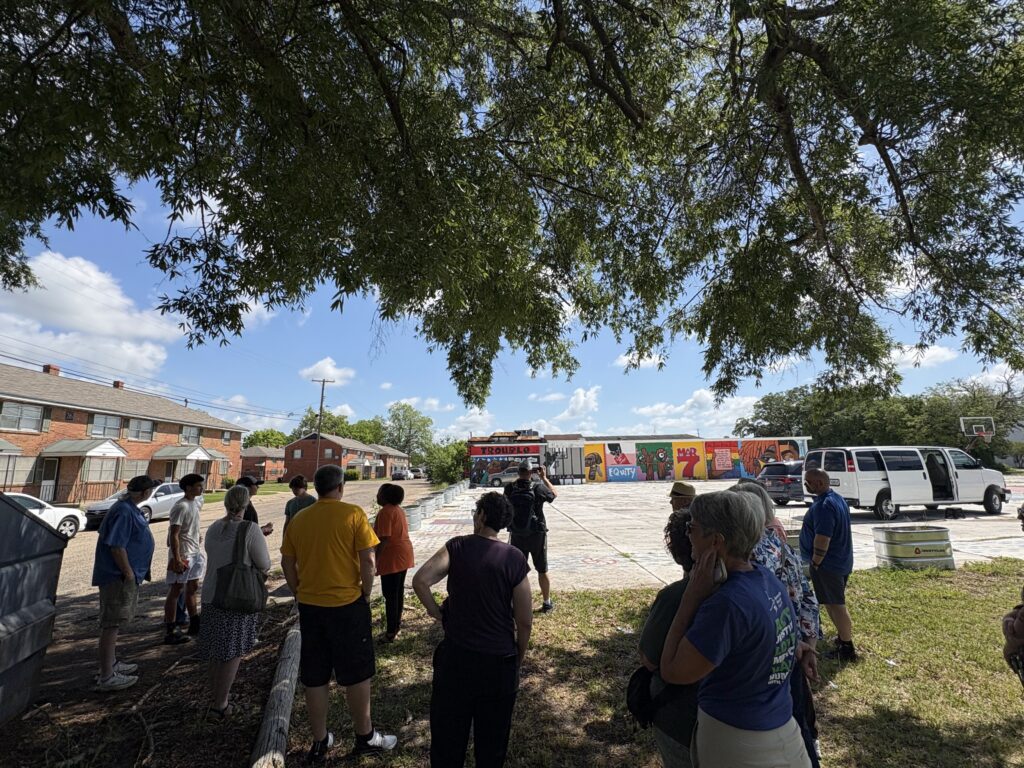
After touring Atlanta and Montgomery, the pilgrimage spent a day touring Selma, Alabama. Miss Barbara Barge (center left, in orange) led the learning tour. In this photo, she explained the significance of each section of the mural in the background. Photo by Sara Gurulé.

“The spaces in Montgomery filled in so many historical points and provided the well displayed items of memorializing those traded, killed, separated, brutalized, dehumanized and incarcerated in such a poignant way.  It also did an amazing way of presenting those responsible and the link to the evils of greed, power and authoritarianism.”

-Sally Mason
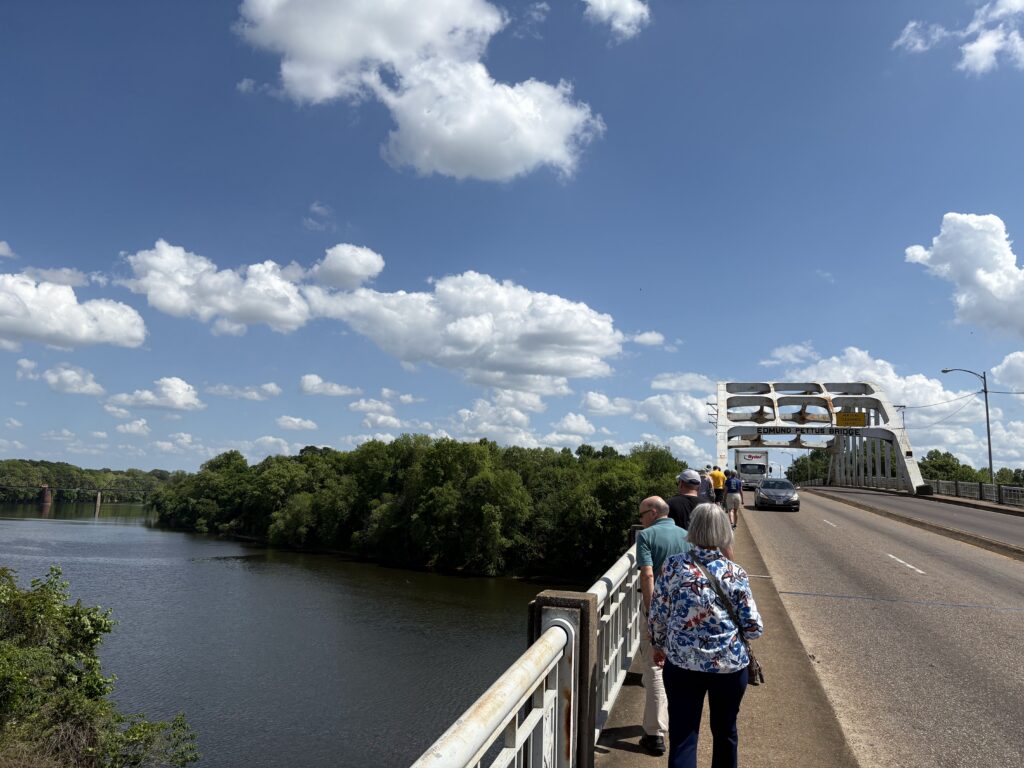
The pilgrimage crossed the Edmund Pettus Bridge, the site of the brutal Bloody Sunday attacks, where police and deputized White civilians attacked Civil Rights Movement protestors on March 7, 1965. Photo by Sara Gurulé.
Leroy Clemens, executive director of the Neshoba County Youth Coalition and racial equity trainer, tells the story of the Mount Zion Church burning, the Freedom Summer Murders, and how these events affected the Civil Rights Movement as a whole. Photo by Jason Ault.

“The in-person interactions with Ms. Barbara and Mr. Leroy were invaluable. My favorite parts for sure! Feet on the ground experiences were definitely more impactful than pictures and words in the museums.  There is no way to encompass the reality of the situation without touching the dirt and breathing the same air as those who gave all.”

-Natalie Dixon
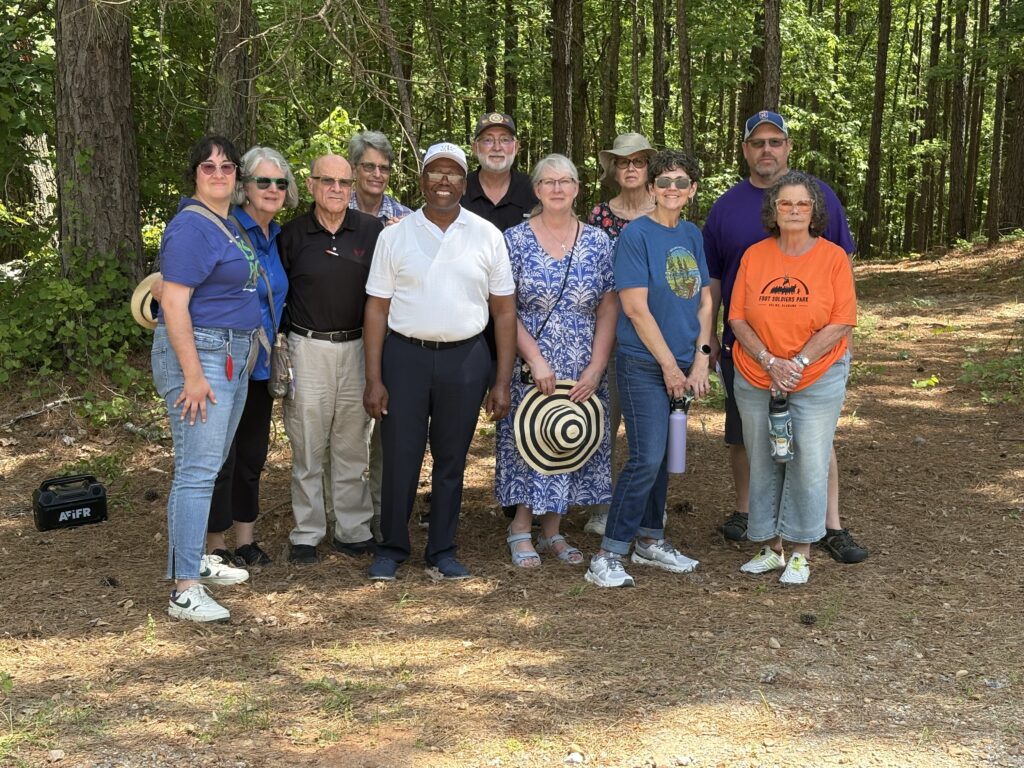
The pilgrimage stops for a group photo near the site of the Freedom Summer Murders. From left to right, front row: Sara Gurulé, D’Arcy Blosser, Tom Mason, Leroy Clemens, Theta Miller, Natalie Dixon, Becca Dixon. Back row: Lois Rahal, Loy Hoskins, Sally Mason, Lee West. Photo by Jason Ault.
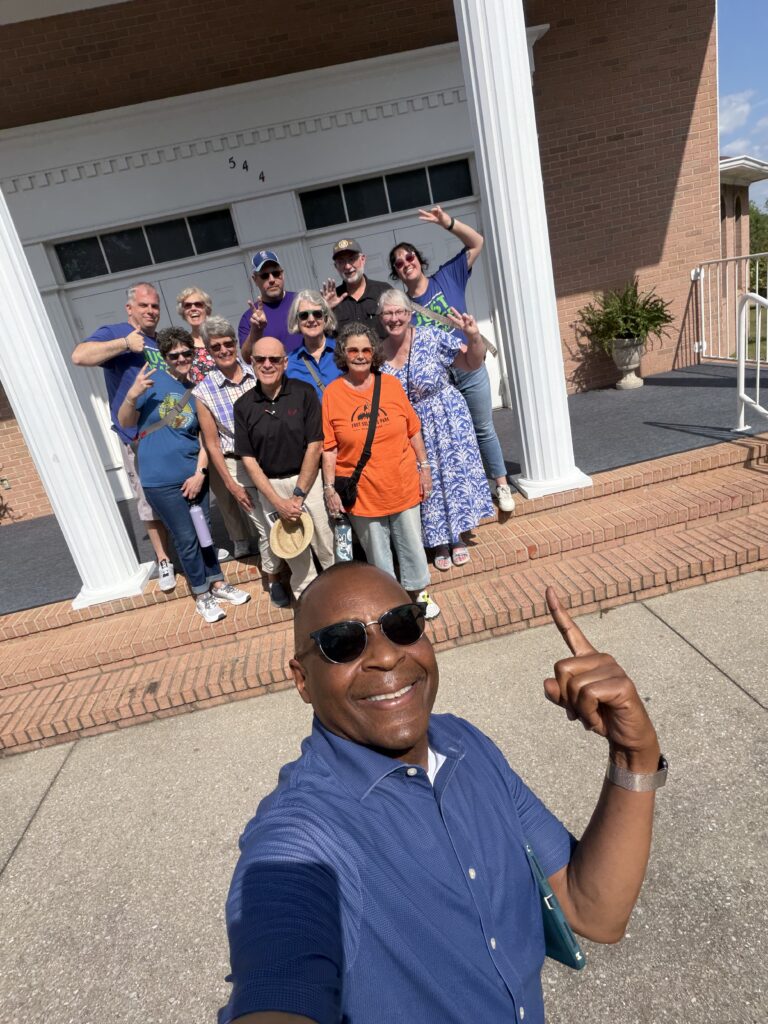
The pilgrimage takes a selfie with Gerald Hudson, lead pastor at Mount Olive Missionary Baptist Church in Meridian, Mississippi. Photo by Gerald Hudson.
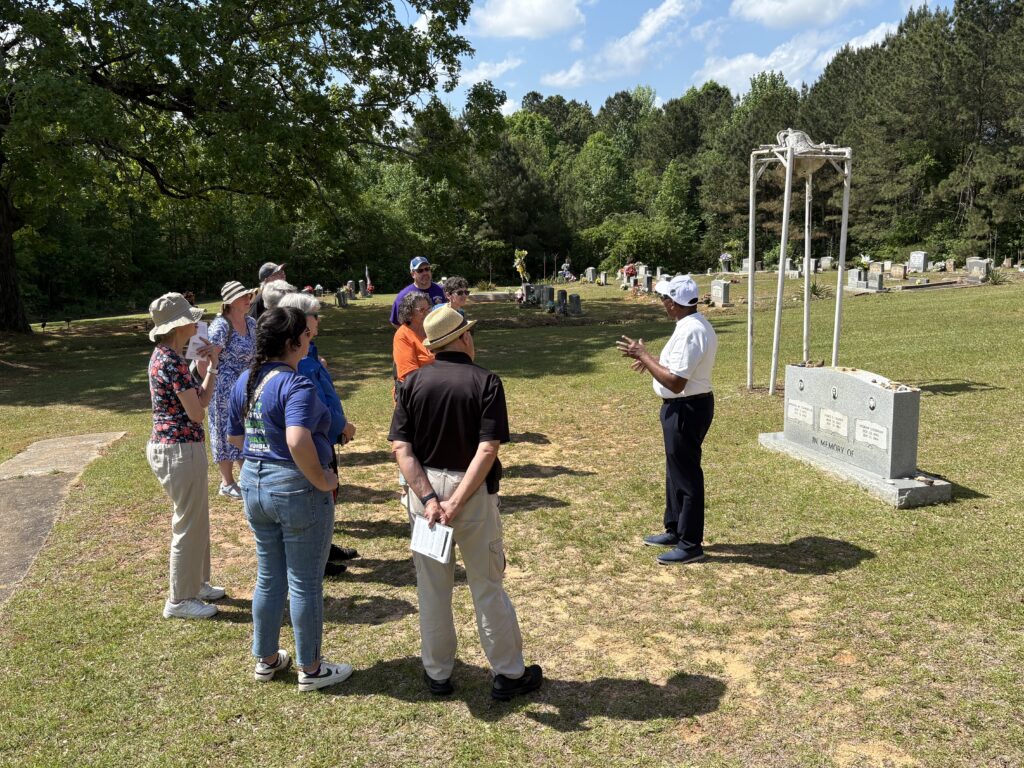
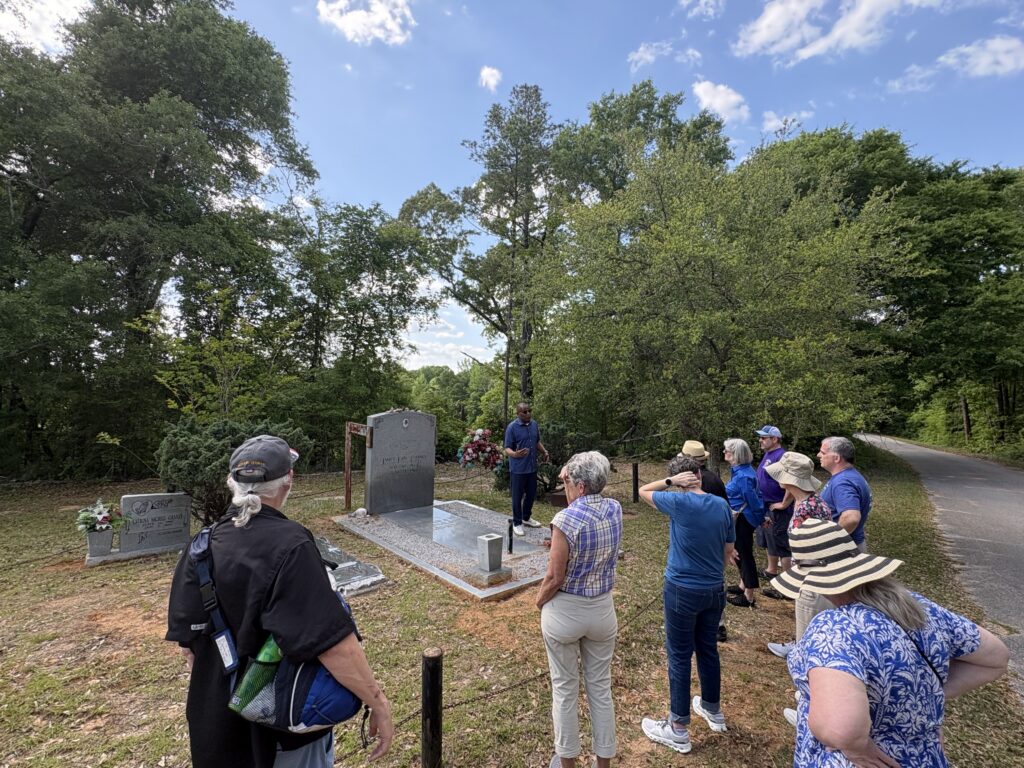
Gerald Hudson shares stories at the graveside of James Chaney, one of the three Civil Rights workers who were killed in the Freedom Summer Murders in 1964. Photo by Sara Gurulé.

“All of the presenters we met and all of the Memorials and Museums we saw were completely appropriate and I would highly recommend to anyone to get a complete understanding of what are civil rights, what have been the history of civil rights issues in our country, why it matters to really understand what has taken place and why the topic of civil rights continues to be a top priority for a human being and especially a person that is wishing to have a true faith walk with their God…

“All these things help you to view civil rights not as a discussion, but as something that takes action because it can so easily be taken away from us.

“I can’t say enough about how life changing, eye opening and informative this trip has been.  I stand convicted of standing on the sidelines somewhat quietly, and thinking things were getting better.  I completely understand what Dr. King was saying in his letter to the Birmingham jail!!  You can’t help but understand life differently after going on this pilgrimage.”

-Tom Mason
Connected workers

Placements

Learn more