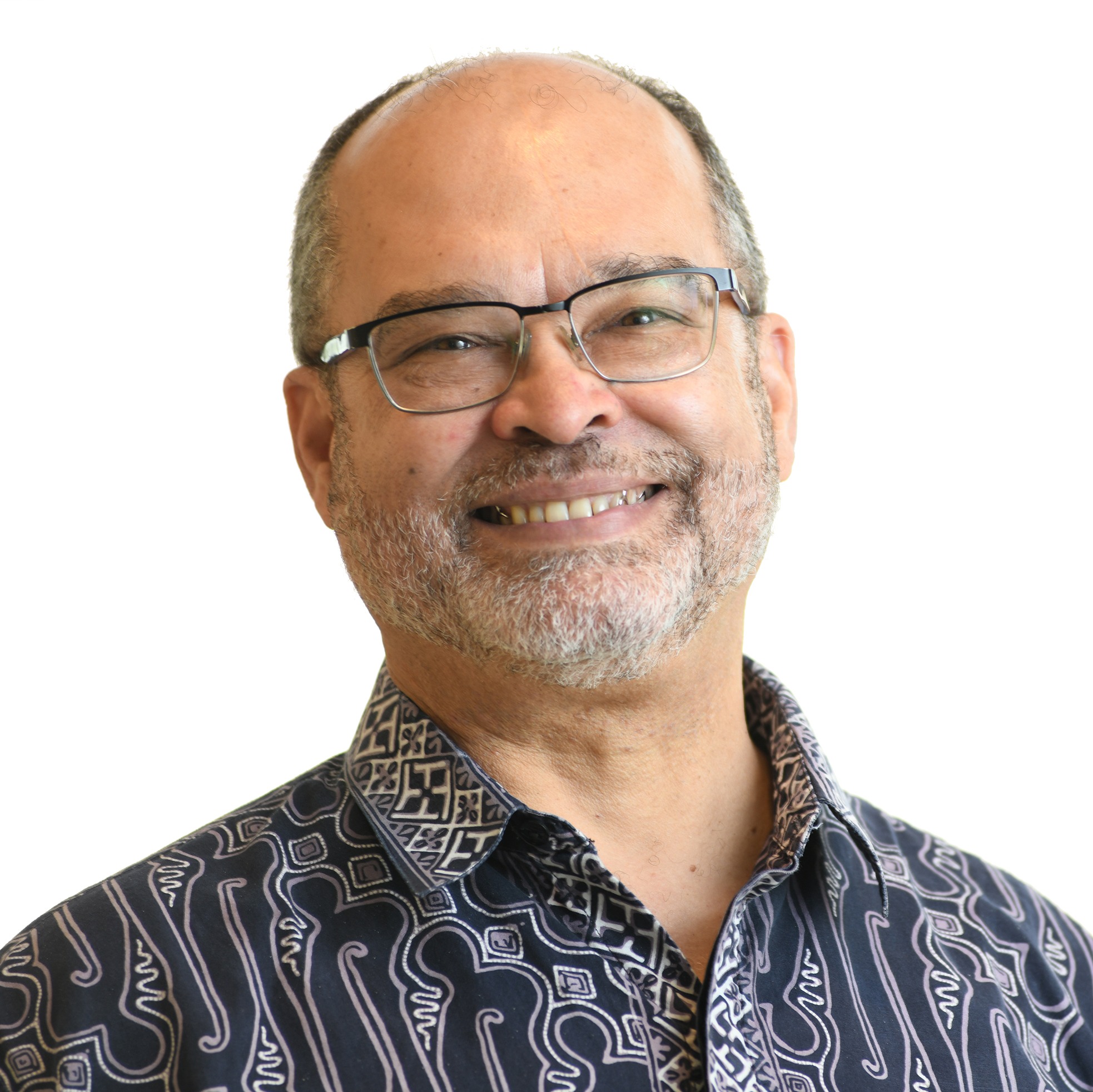
Stanley Green is the retiring executive conference minister of Pacific Southwest Conference for Mennonite Church USA. He attended a South Africa Just Peace Pilgrimage from September 9-14, 2026. A South African native, he offered his own unique perspective in the form of a series of posts on his Facebook page throughout the trip. Green was executive director of Mennonite Mission Network from 2002-2020.
September 14 — The pilgrimage has begun…
“Tourists pass through a country…pilgrims allow a country to pass through them…”
I have enjoyed the beauty of South Africa’s varied landscapes and peoples for all my life.
Thus, I was delighted and overjoyed when the agency I formerly led, Mennonite Mission Network, invited me to be a part of a pilgrimage through South Africa.
The land of my birth has a surfeit of beauty, no doubt, and I felt extremely lucky, or deeply blessed during my growing years to have experienced the world via this enchanting geography.
I also, however, experienced in this geography so much ugliness, inhumanity, brutality and bigotry that often left me filled with rage and anger fueled by a system called apartheid. This system enforced a stratified hierarchy of privilege based on skin color and origin of ancestry.
This pilgrimage (of mostly Americans) is designed to help participants learn about the heinous atrocities of that system, about the resistance and resilience that brought an end to the odious regime, and about the post-apartheid transition (not all positive).
We are here now — listening and learning, observing and reflecting with the various communities with which we have engaged. The expectation is that we will be changed, enlivened by a vision for the thriving of all people, based on a conviction that affirms and embraces the equality of all persons who are created in the image of God. I’ll share stories of actual encounters and insights we are gaining along the way in future posts.
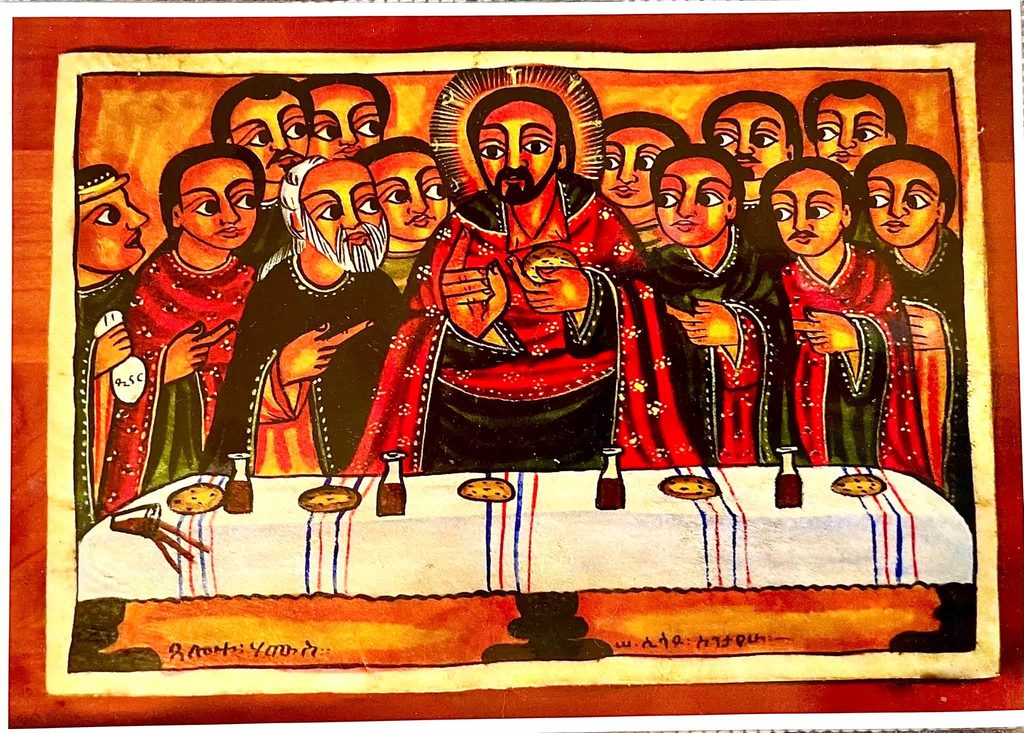
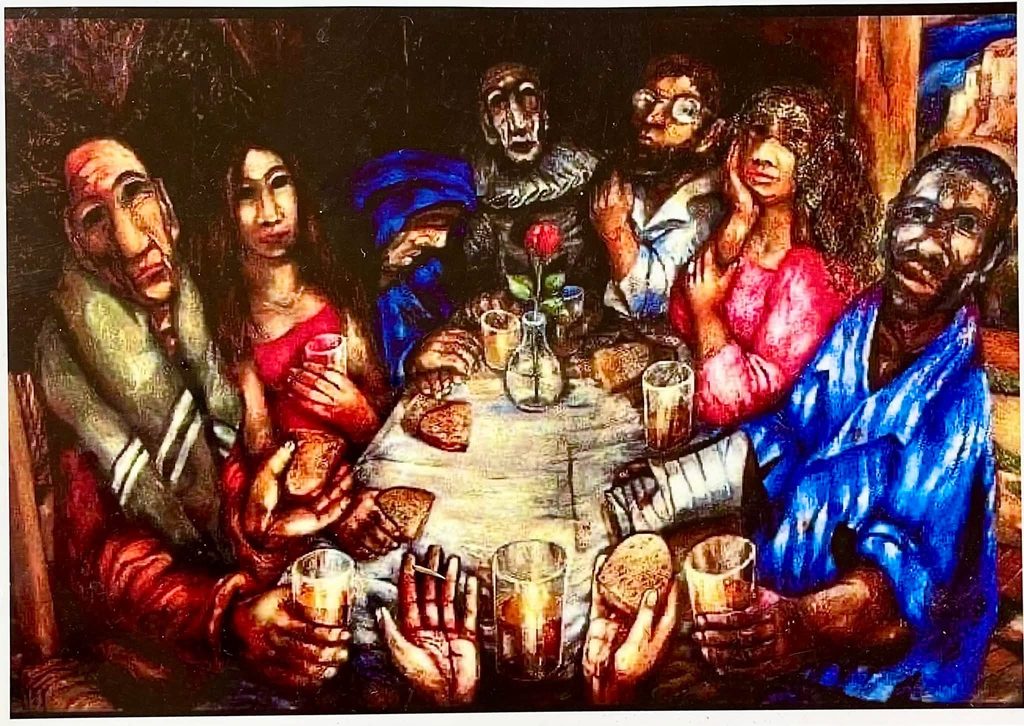
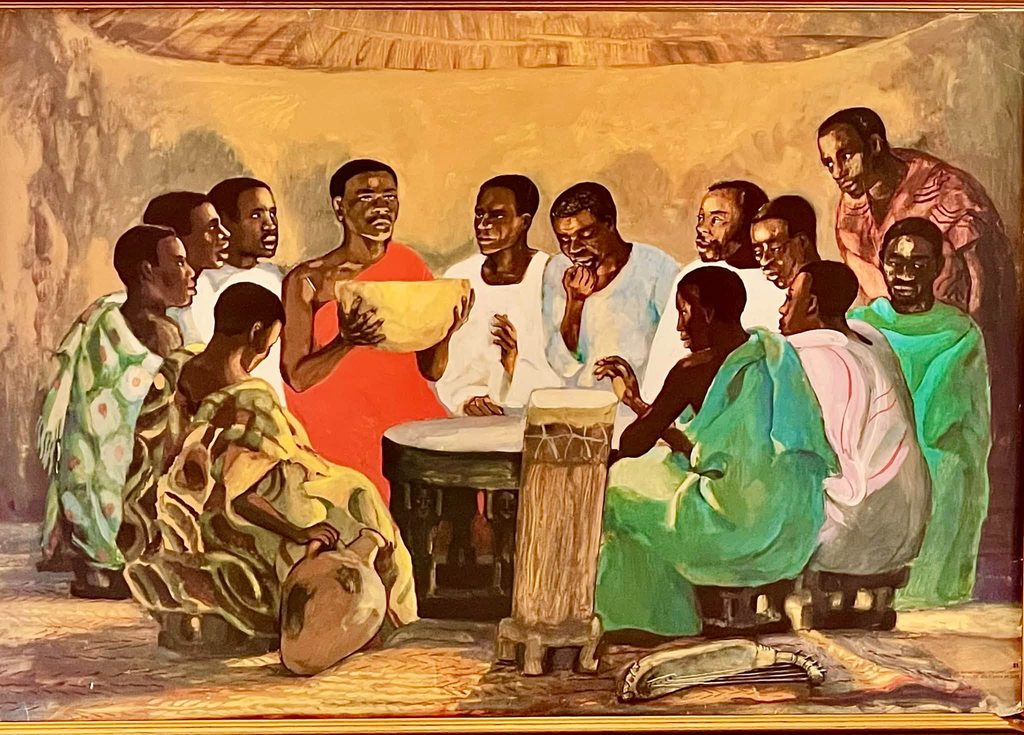
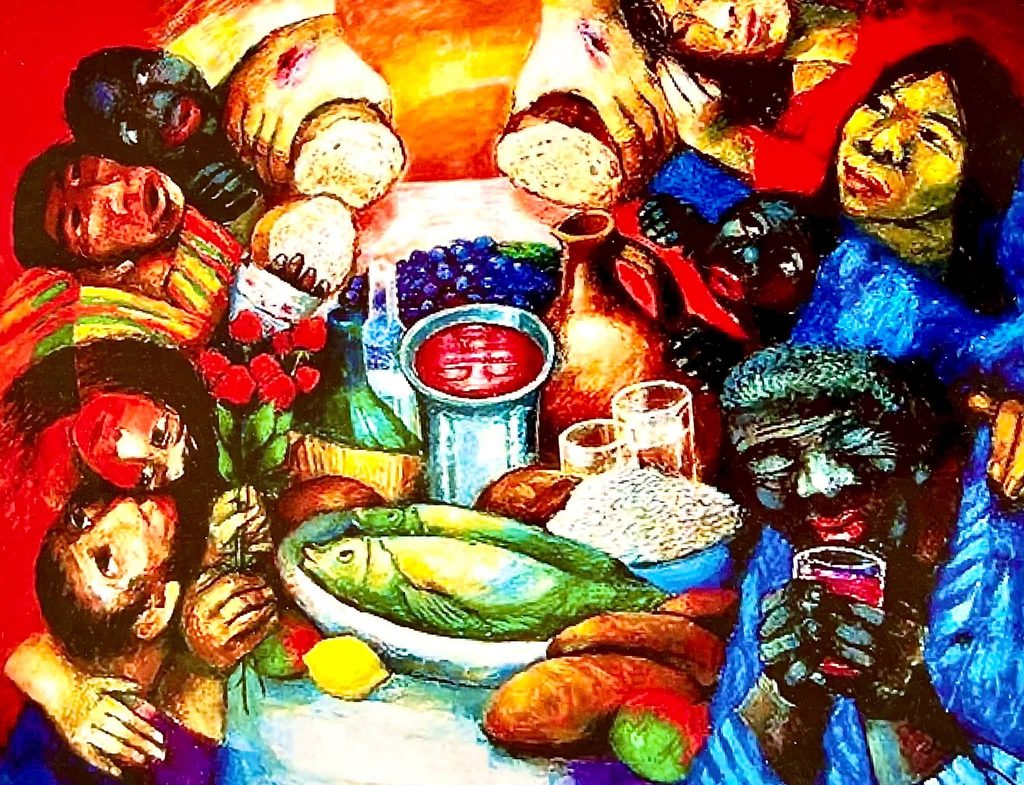
PS. Our theme for daily reflections has been “The Table of our Lord” – the communion table.
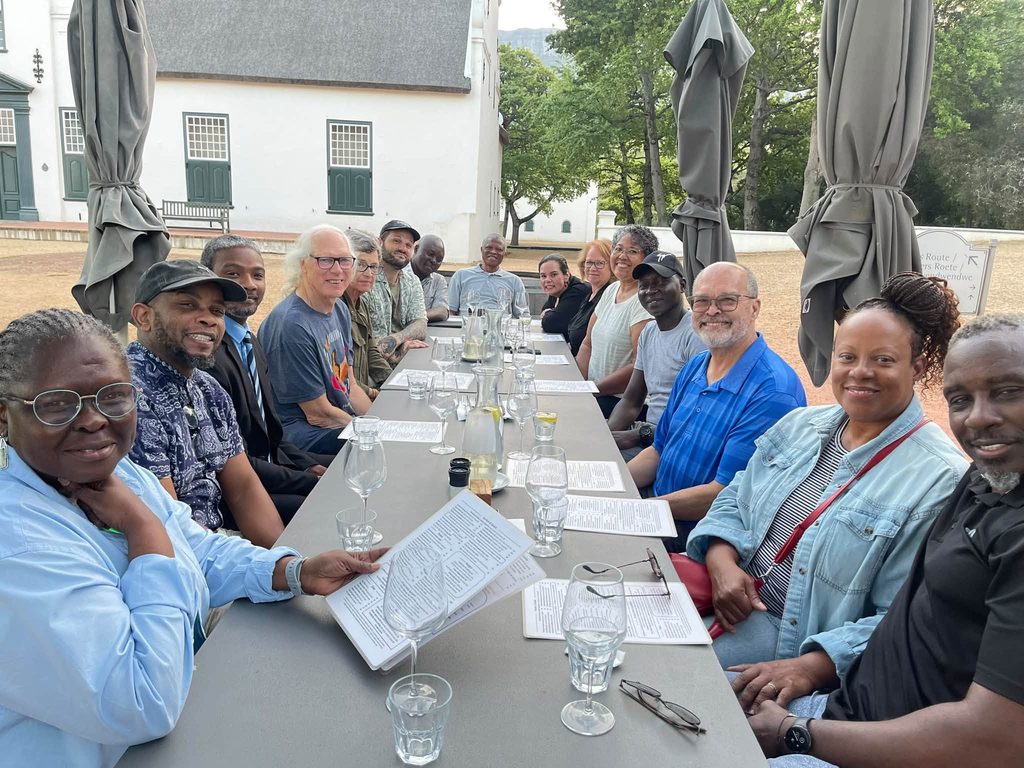
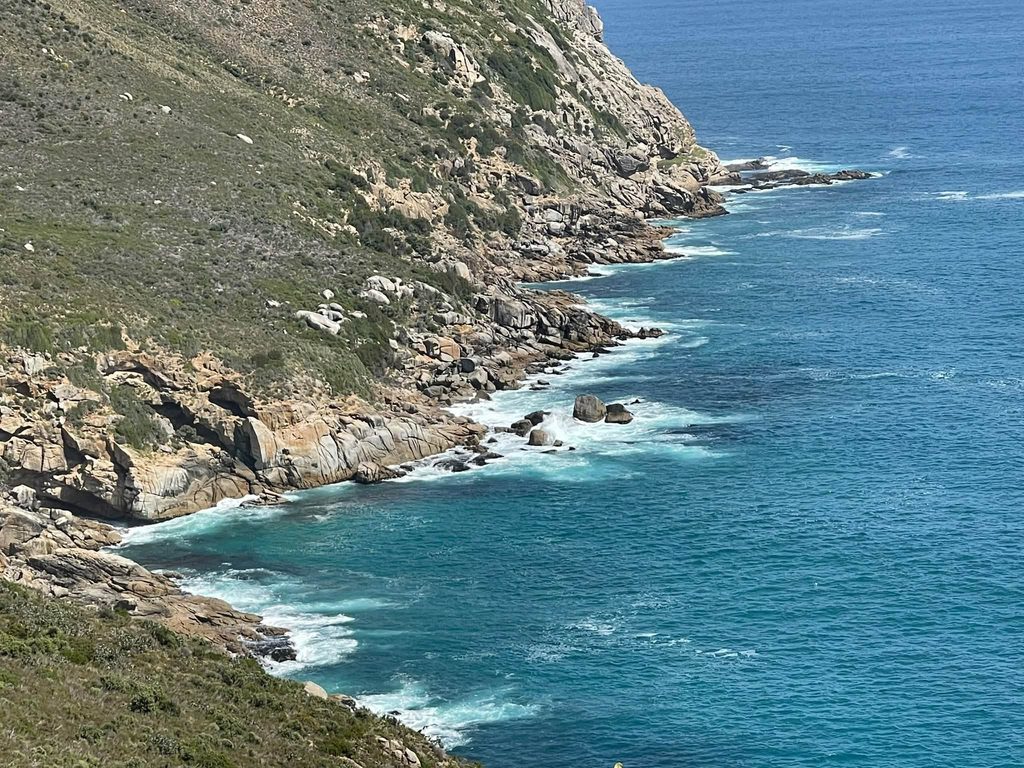
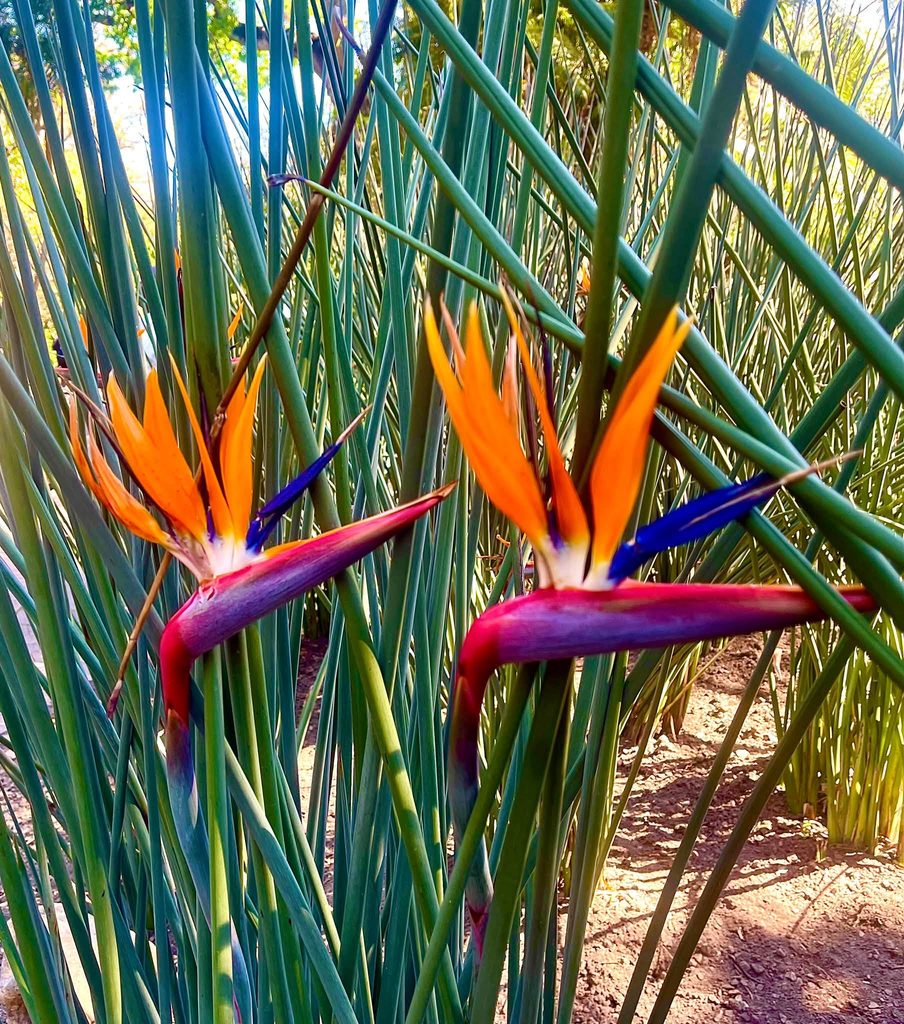
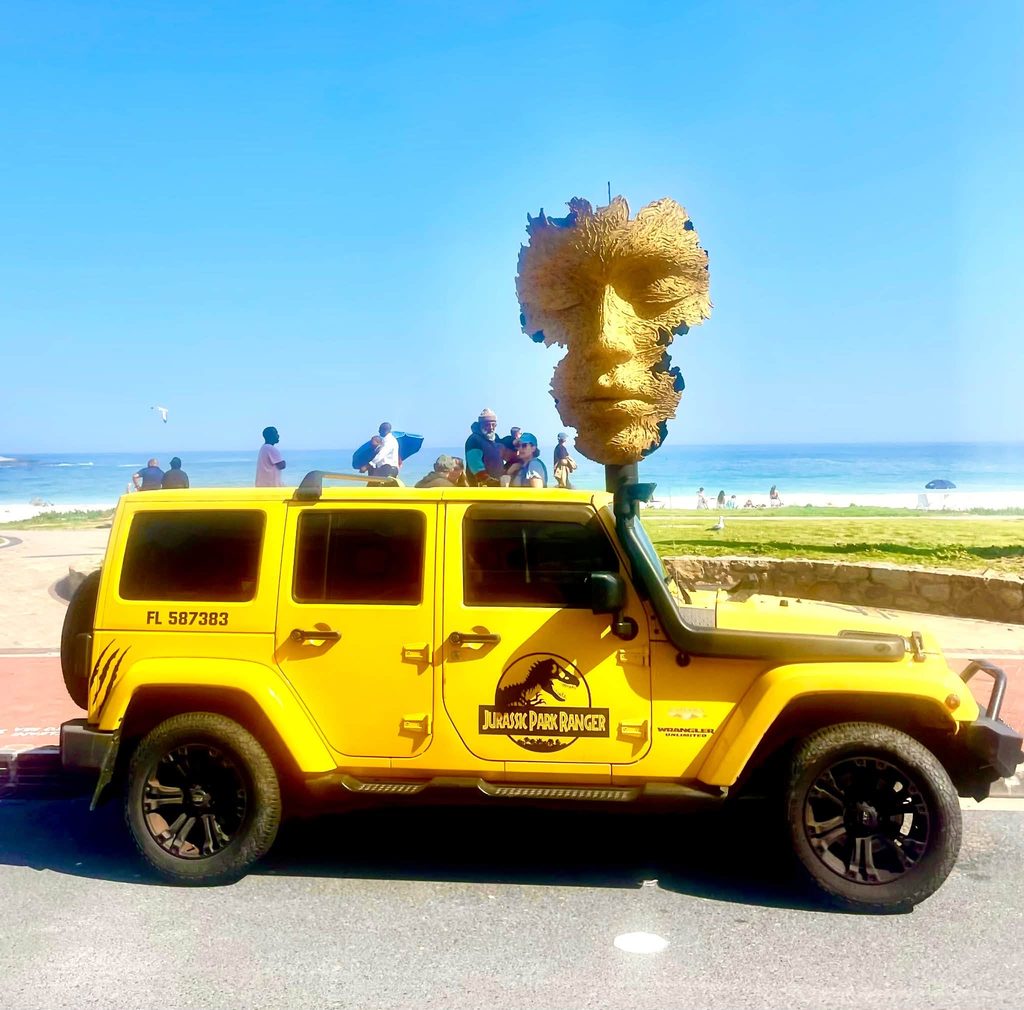
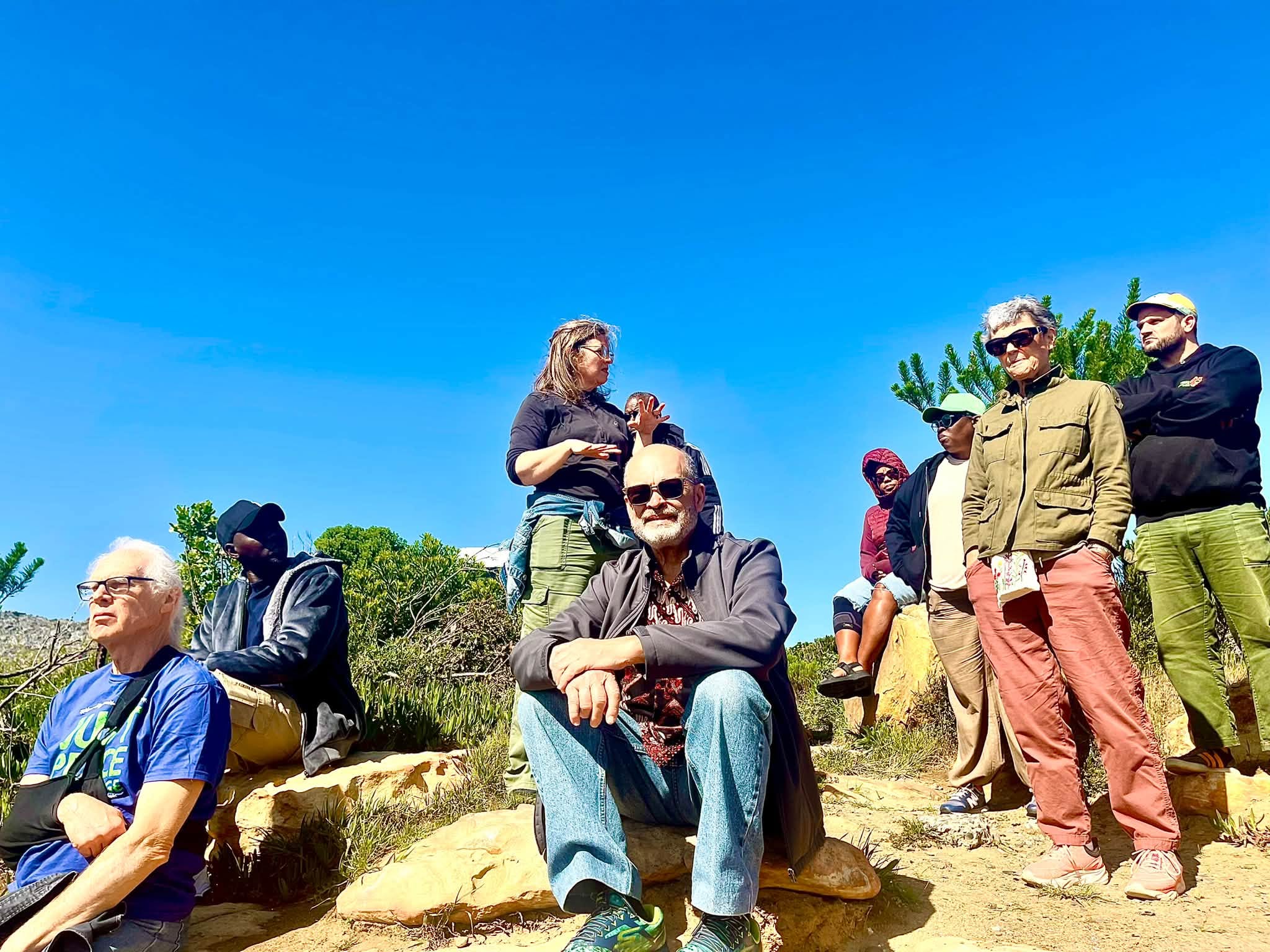
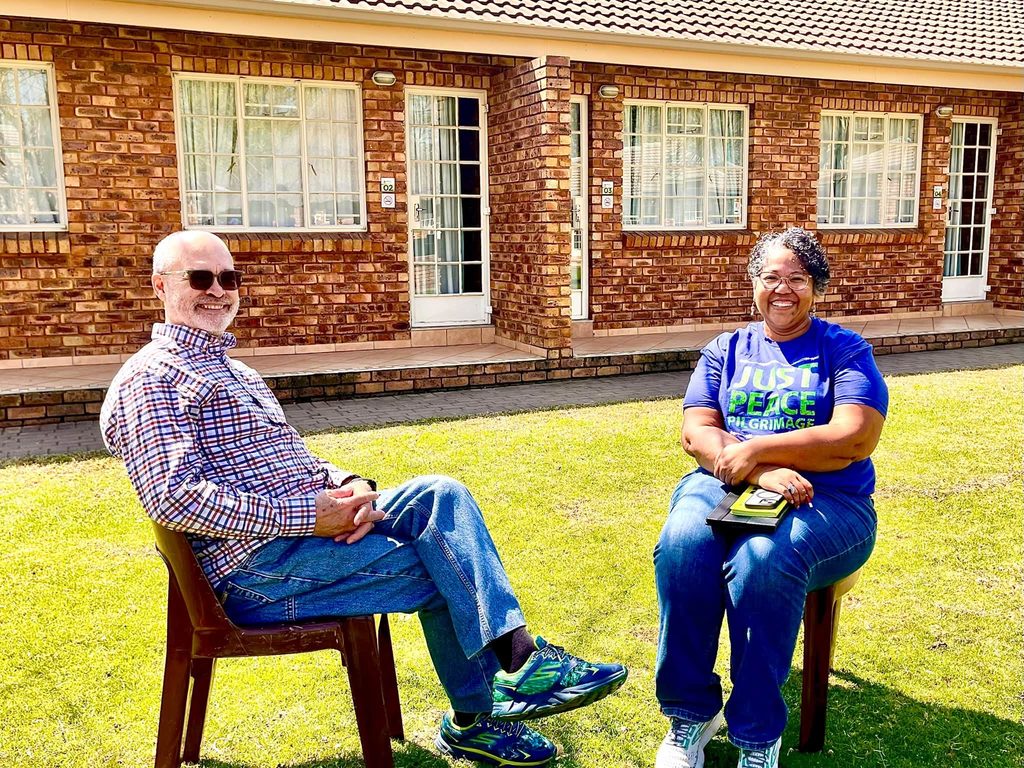
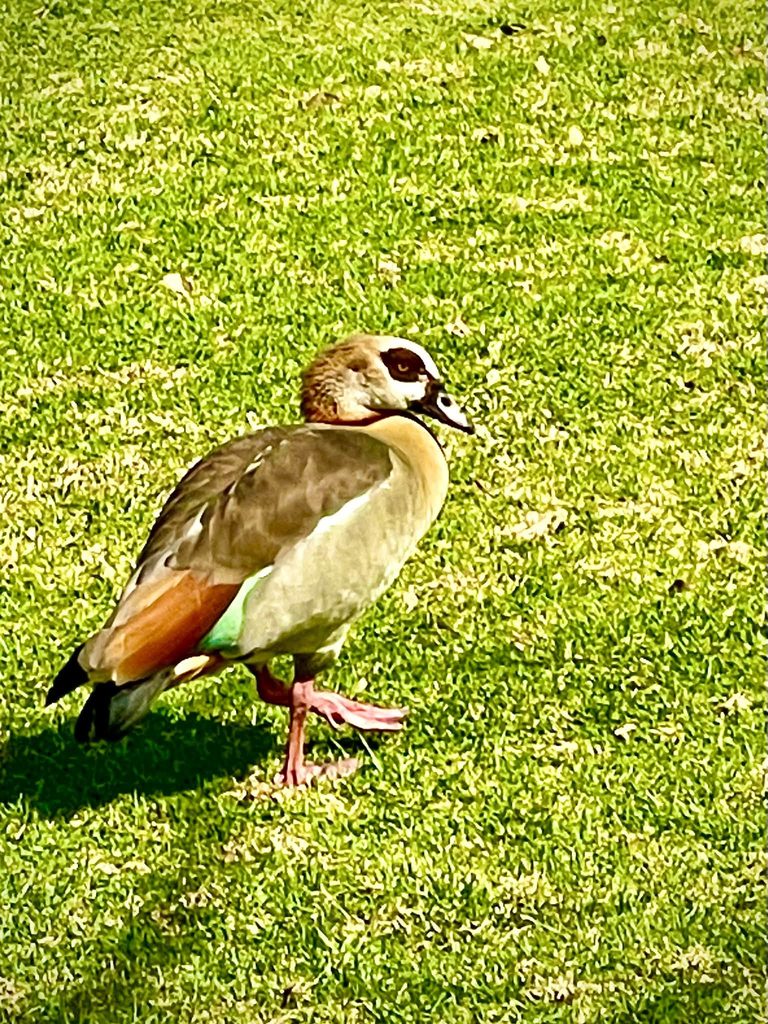
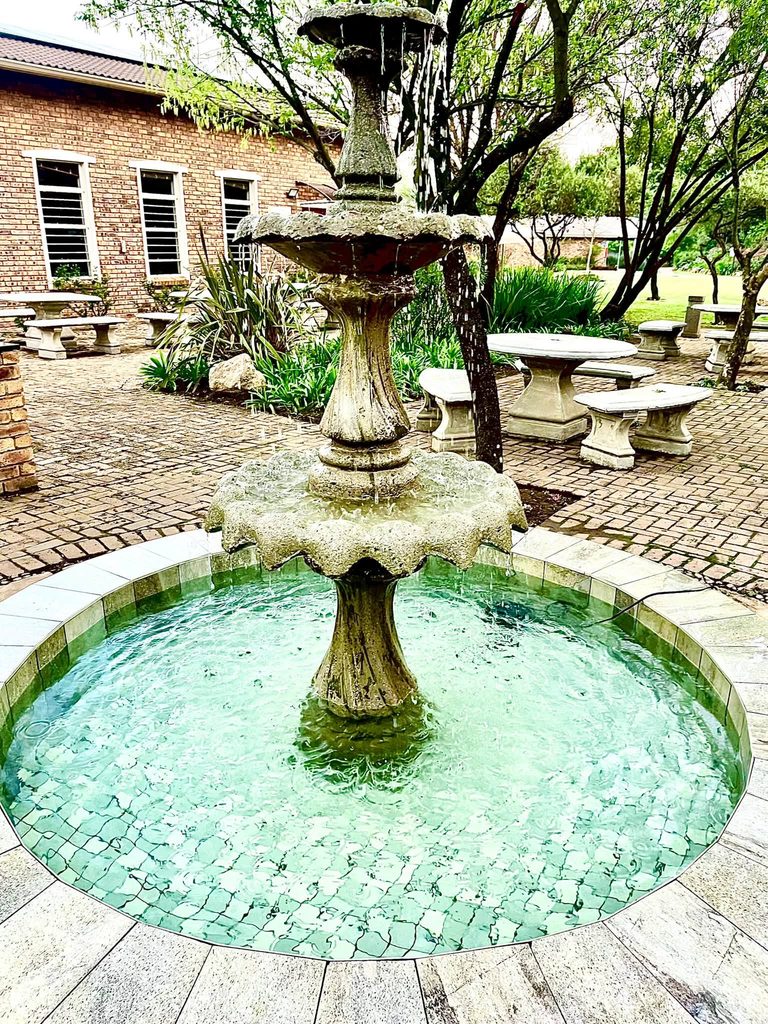
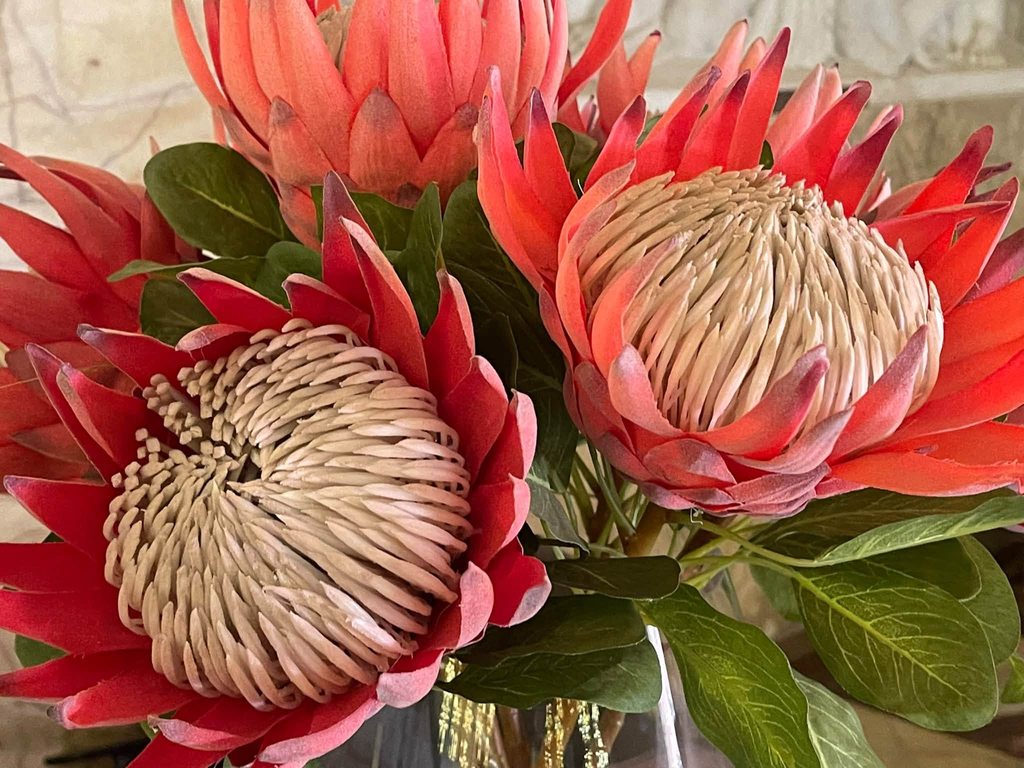
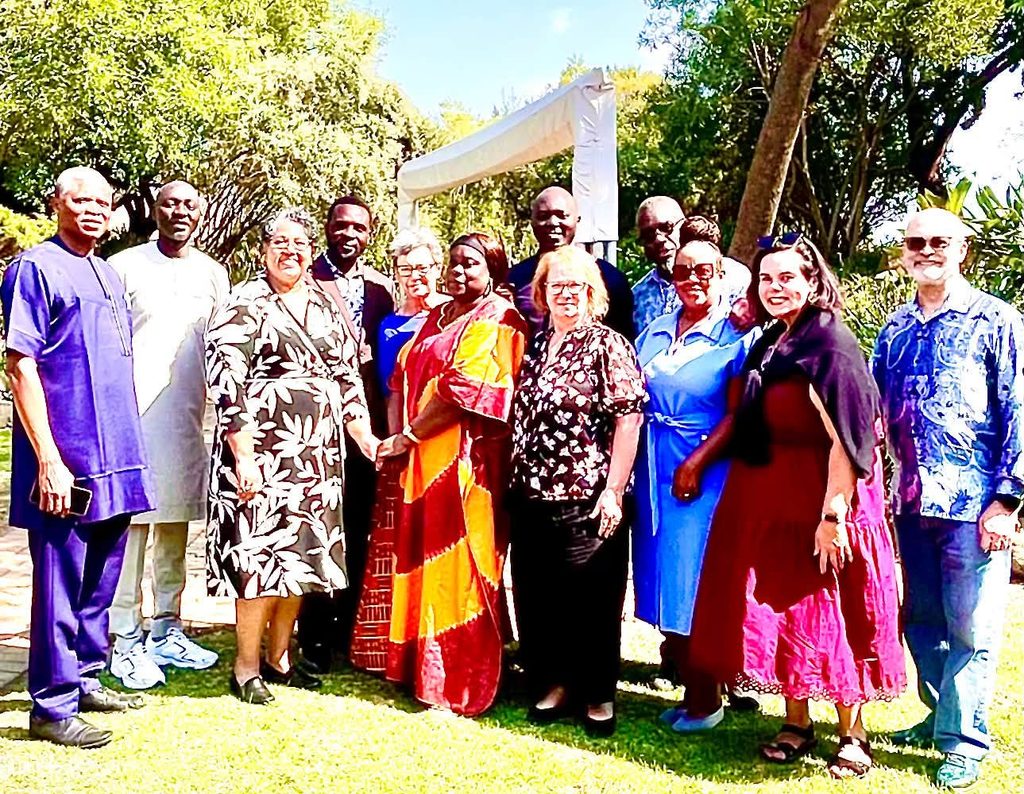
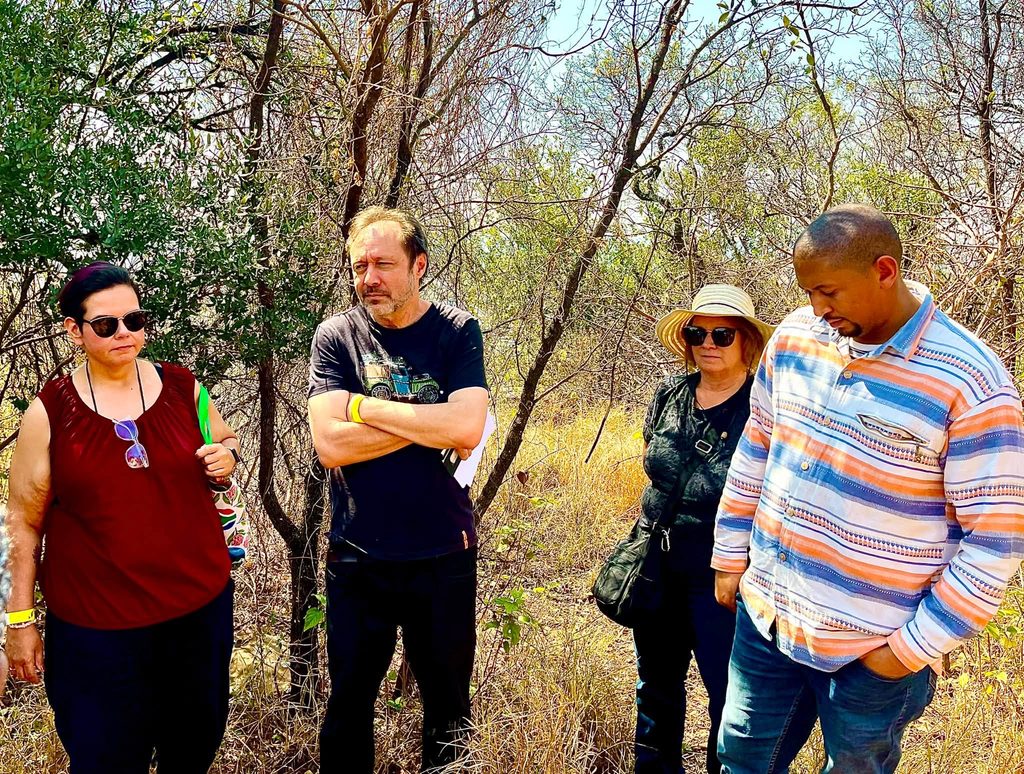
The images accompanying this post are of group members, the retreat center just outside of Johannesburg where we are staying, and some flora and fauna in this place.
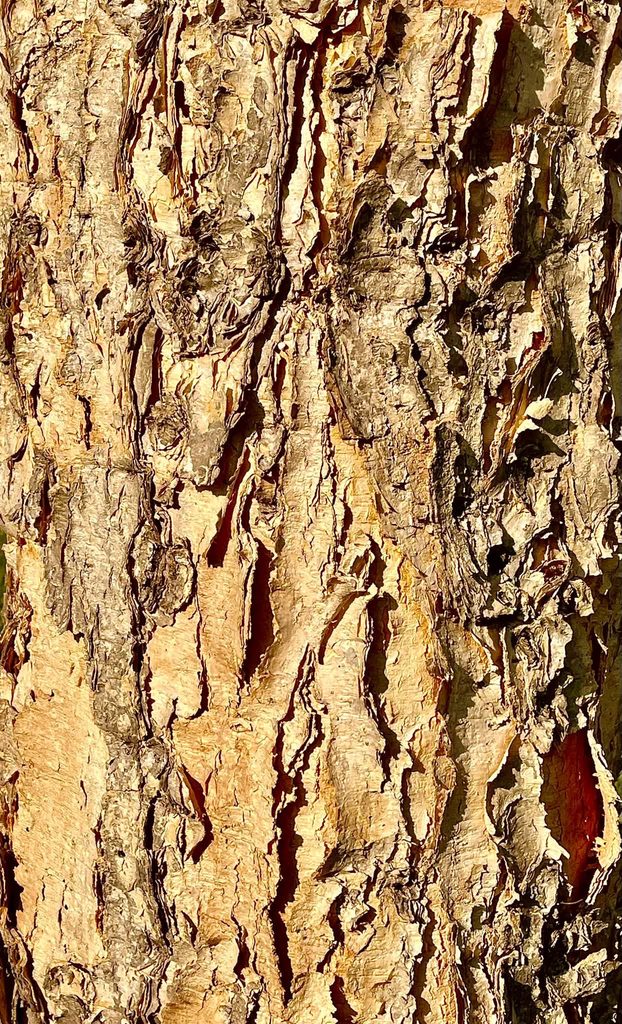
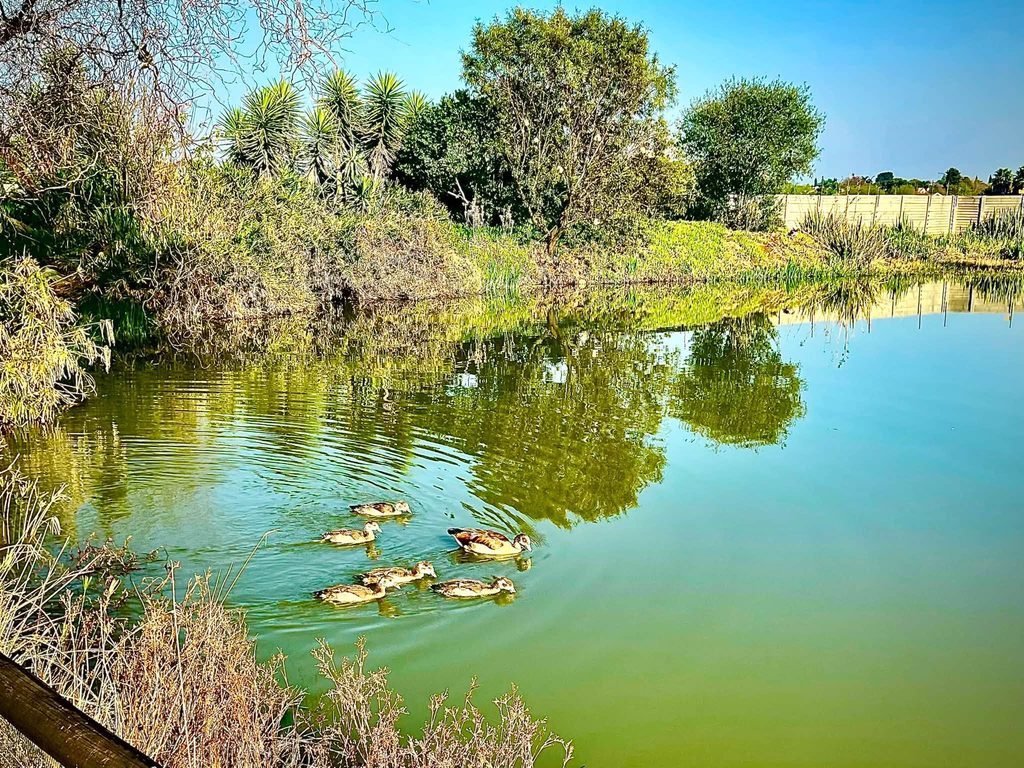
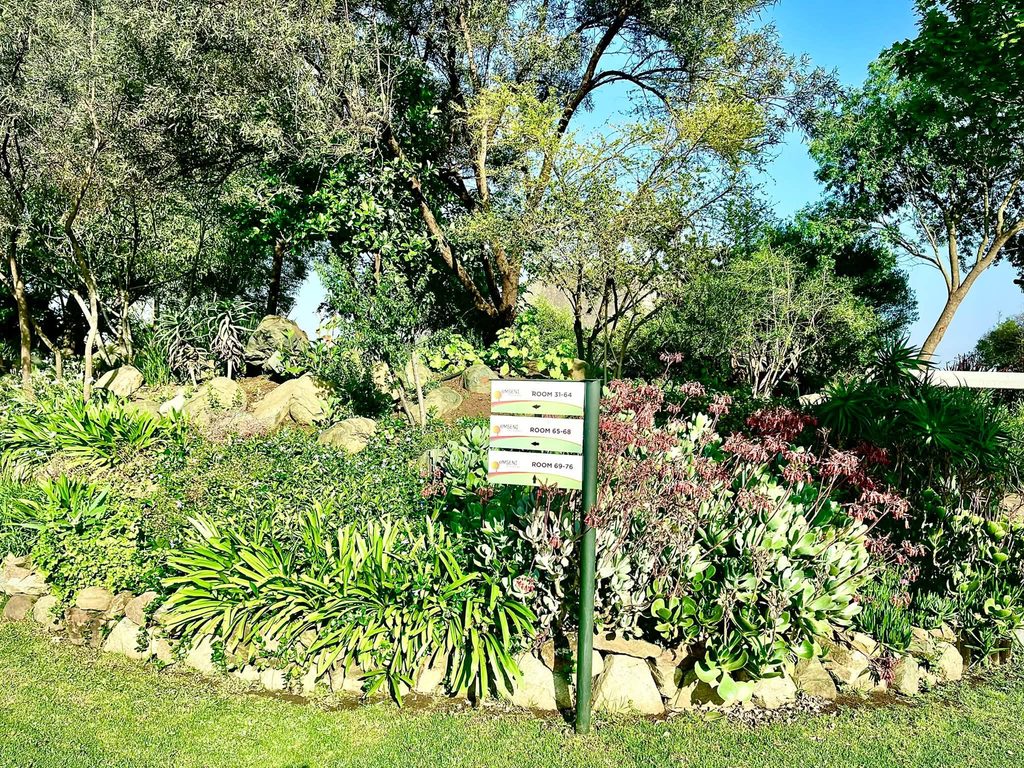
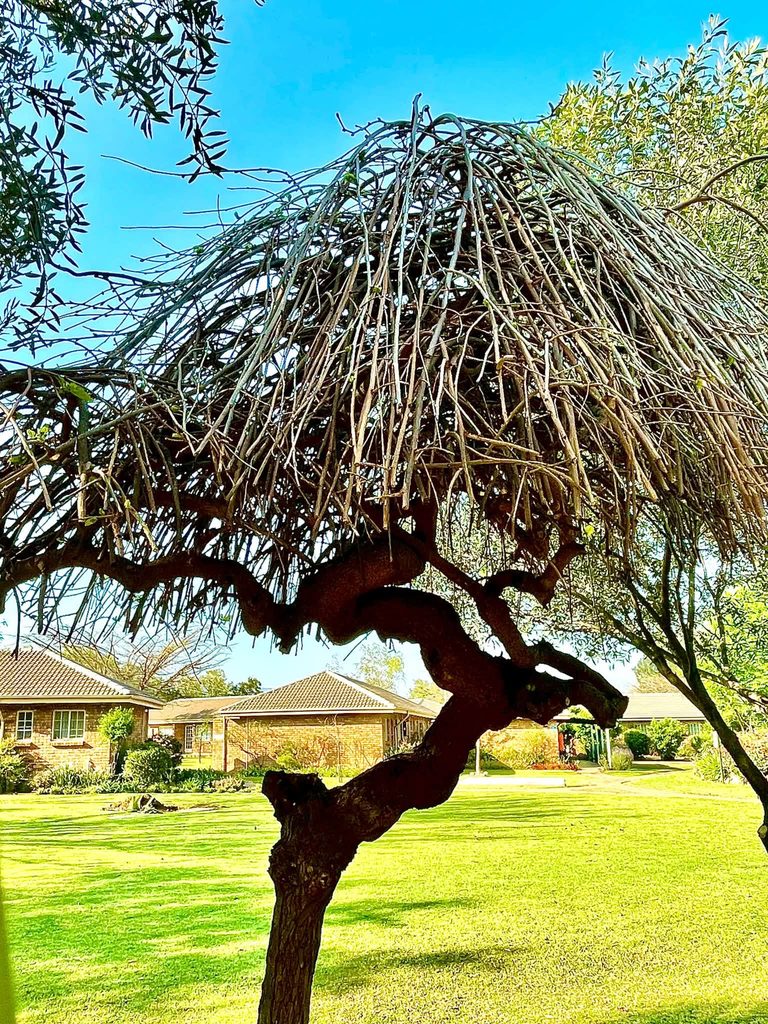
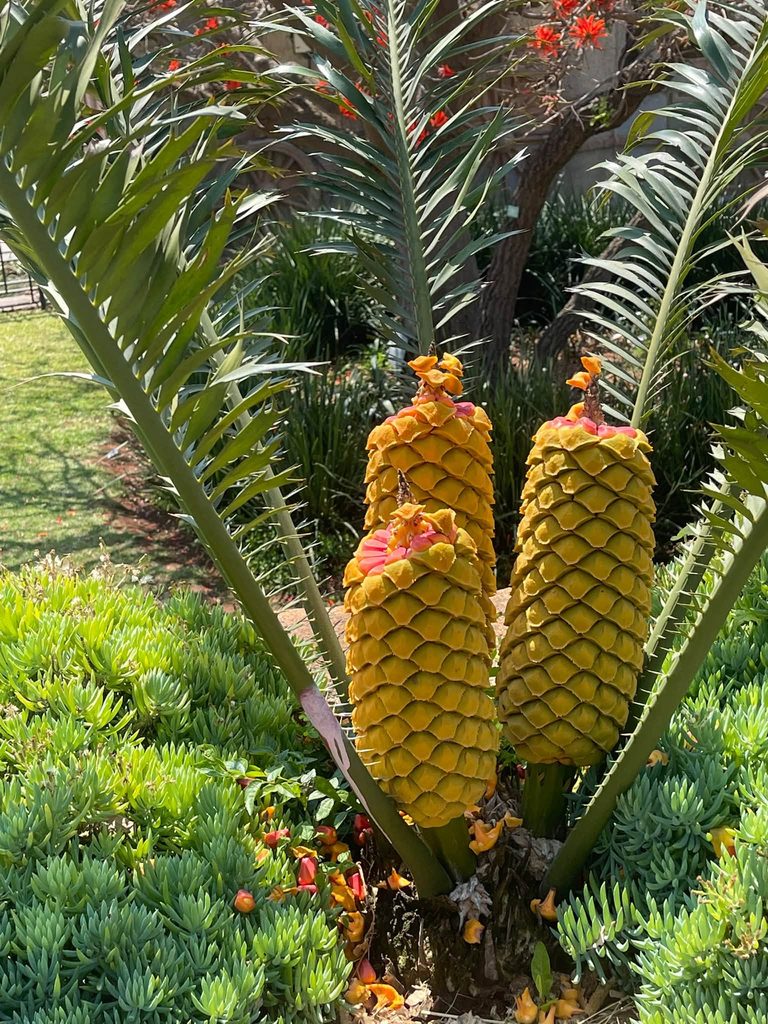
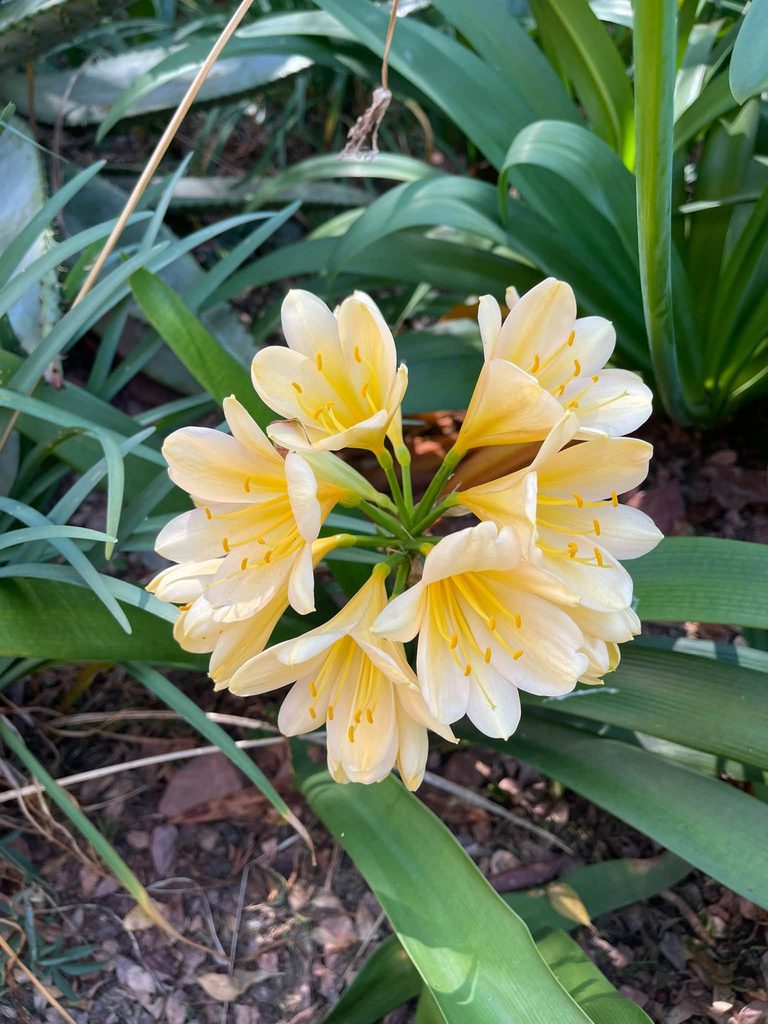
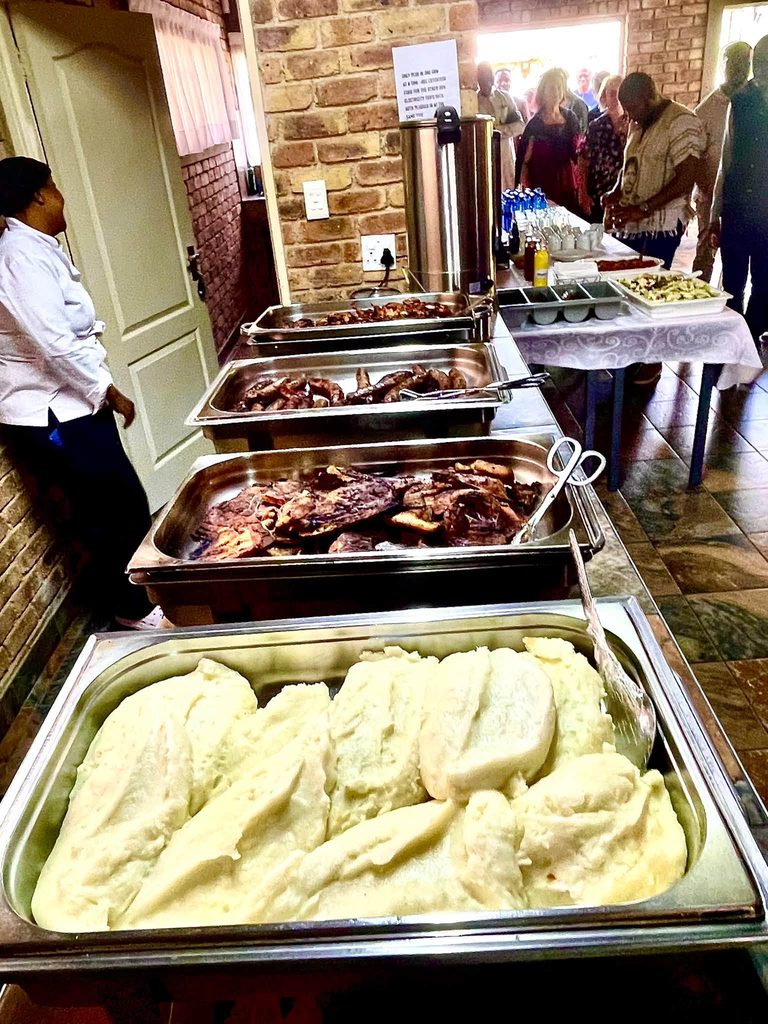
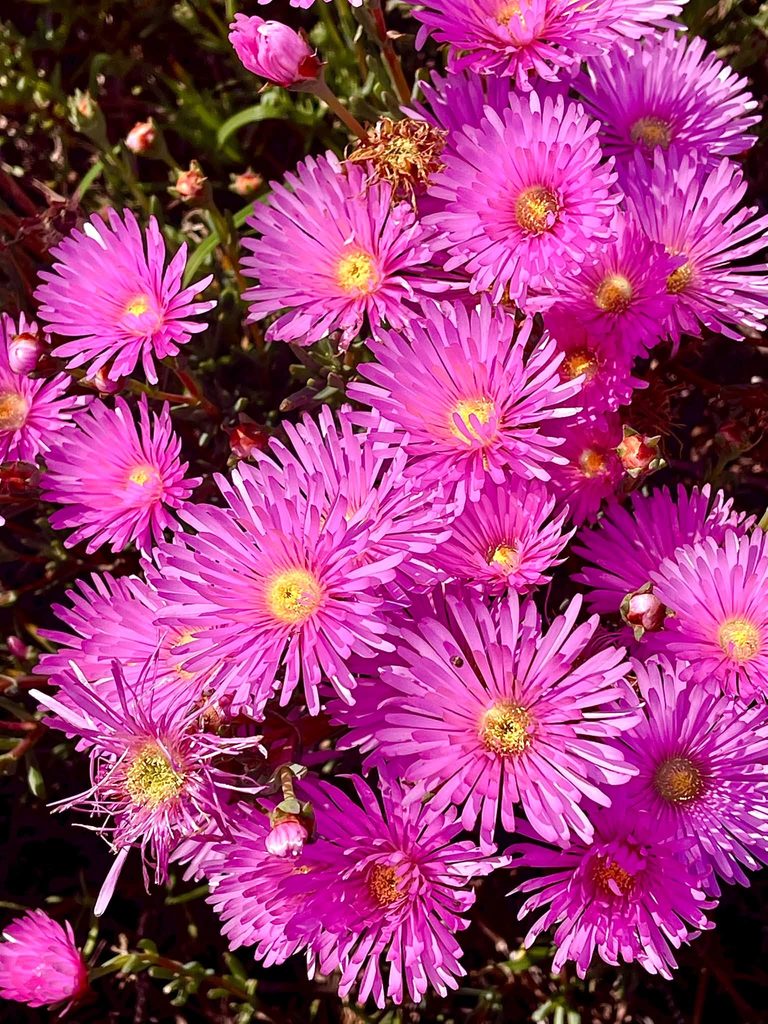
September 16 — Manufactured narratives that shape and distort our perceptions…
I was born and raised in Pietermaritzburg — named after Piet Retief and Gert Maritz. The name reflected the roots and heritage of a group of colonialists who, repudiating their displacement as the governing authority at the Cape by the British colonialists, traveled inland settling in two republics (Transvaal and Orange Free State). Some of these Afrikaner Voortrekkers crossed the Drakensberg Mountains to enter what would become Natal and later KwaZulu Natal (home of the Zulu people).
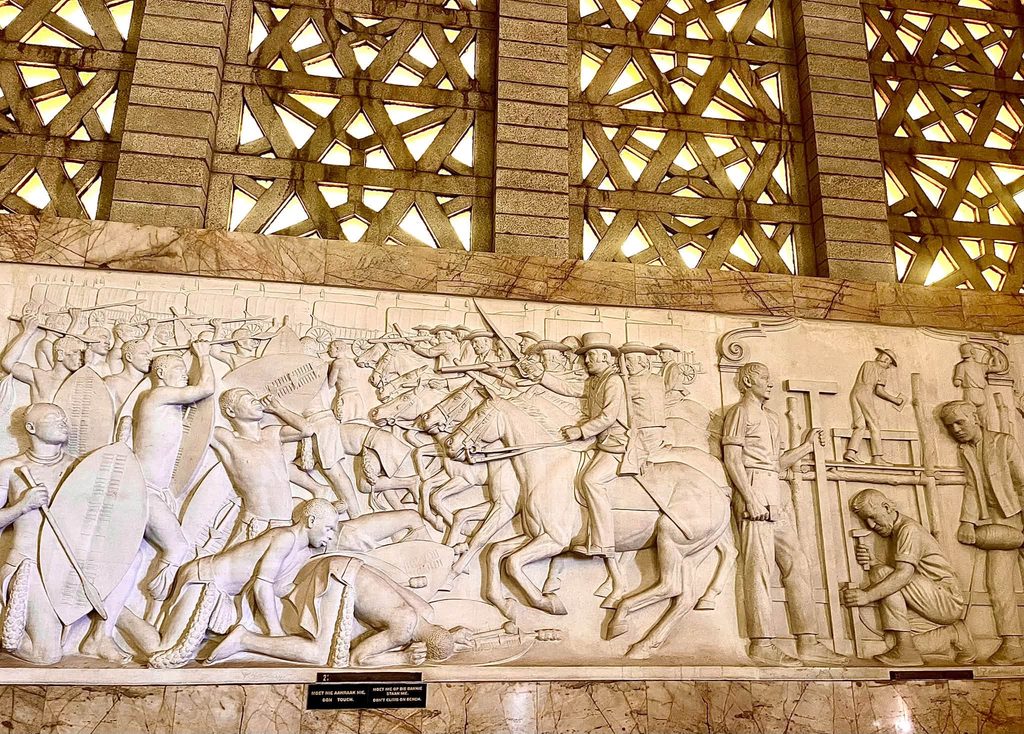
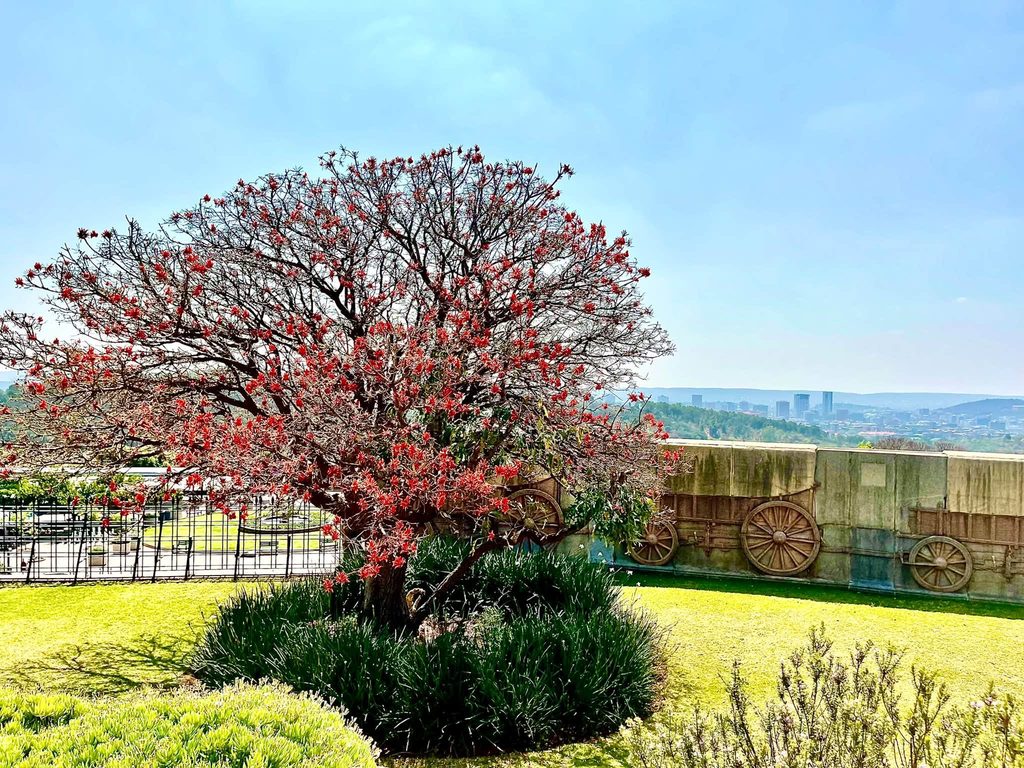
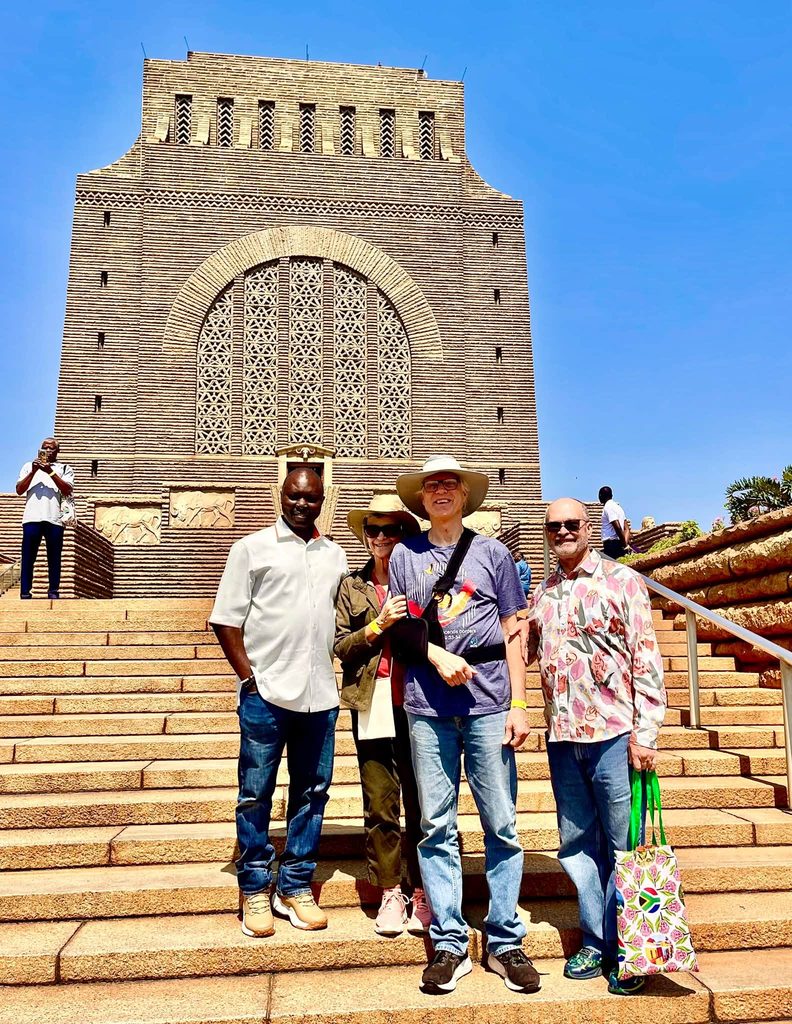
We went to the Voortrekker Monument to learn about their narration of what undergirded their dispossession of the people who lived on the land.
What we heard at the monument regarding this dispossession was that God had ordained it thus, including the massacre of the earlier inhabitants of the land (at the Battle of Blood River). Later that day, we visited Mamelodi and observed the consequences of the narrative that was told, embedded in which was the belief that God had a hierarchy of value for humans, at the top of which was the less pigmented people. Those with pigment were destined (by God) to live in meager shacks, have limited access to education, food and services while they served those at the top rung of the apartheid structure.
We were consoled that near the bottom of the hill was the post-apartheid Freedom monument which told a different story — one of dispossession, slavery, dehumanization, oppression and the resistance and struggle for freedom from oppression.
The question that remained with us was not about whether the absence of God allowed such atrocities to be perpetrated by those with dominance and control, supported by more lethal weaponry. Rather, our question was, “how can the country move forward to affirm the humanity of all its people based on the equality of personhood bestowed upon us by our creator in whose image we are made?” We understood implicitly that any other path would lead us through a recipe for conflict and incessant violence.
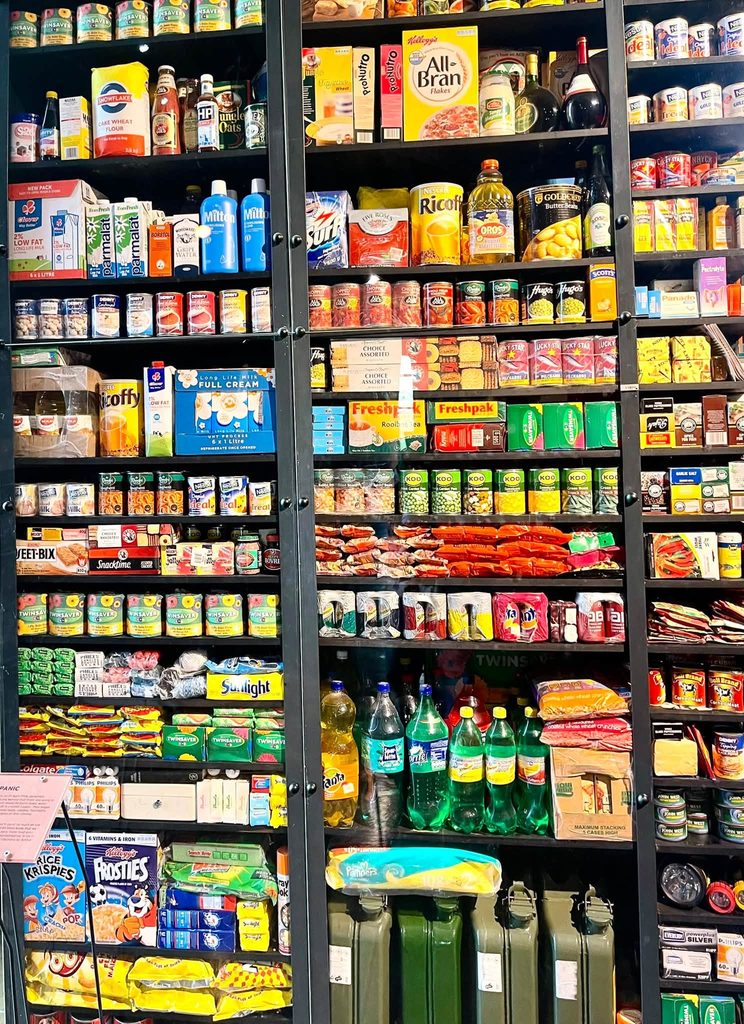
PS. The final photo from the 1994 Freedom Museum is intended to feed the nostalgia of those who remember the goods that fed our desires and needs.
September 17 — From the destruction of a dream through a pernicious “triumph” to an emerging restoration…
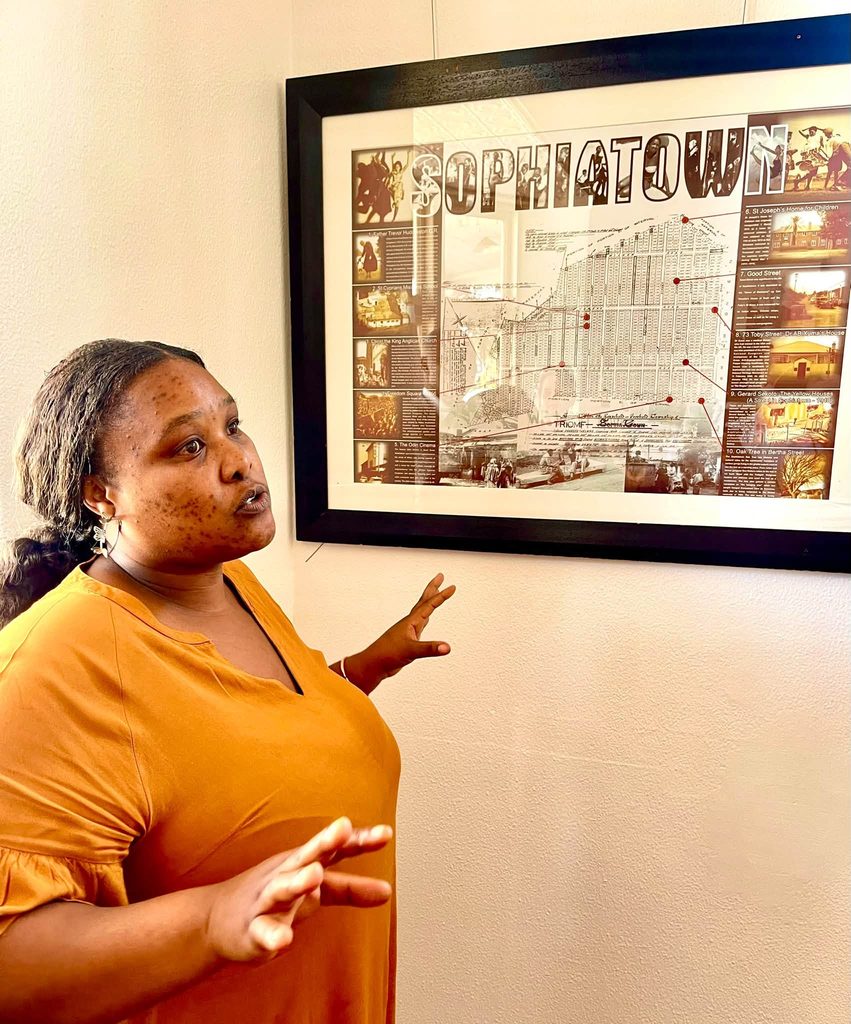
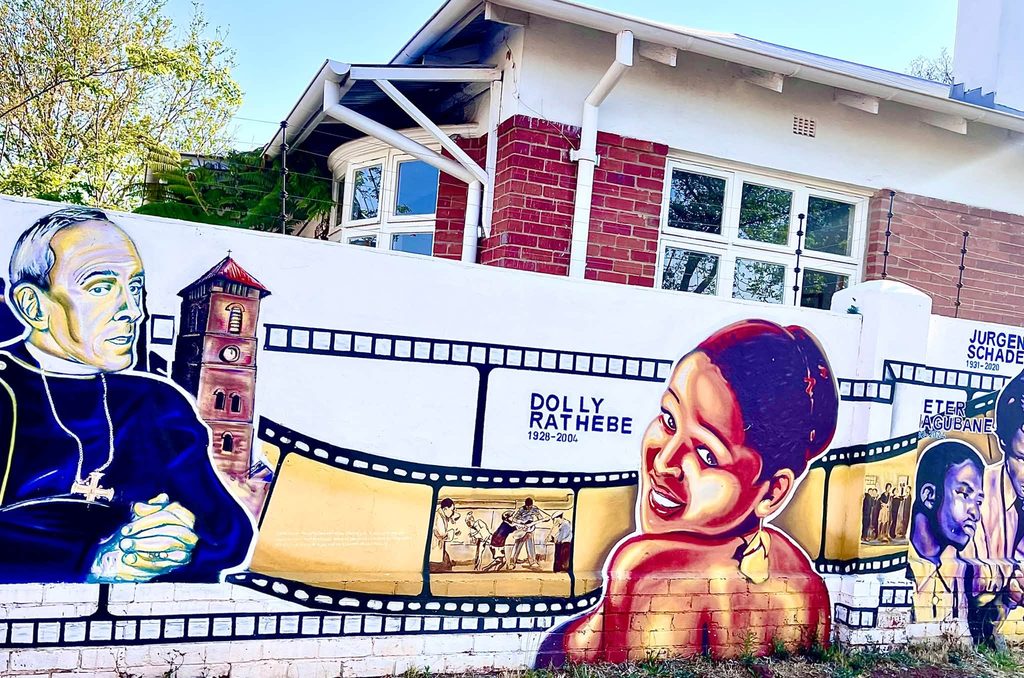
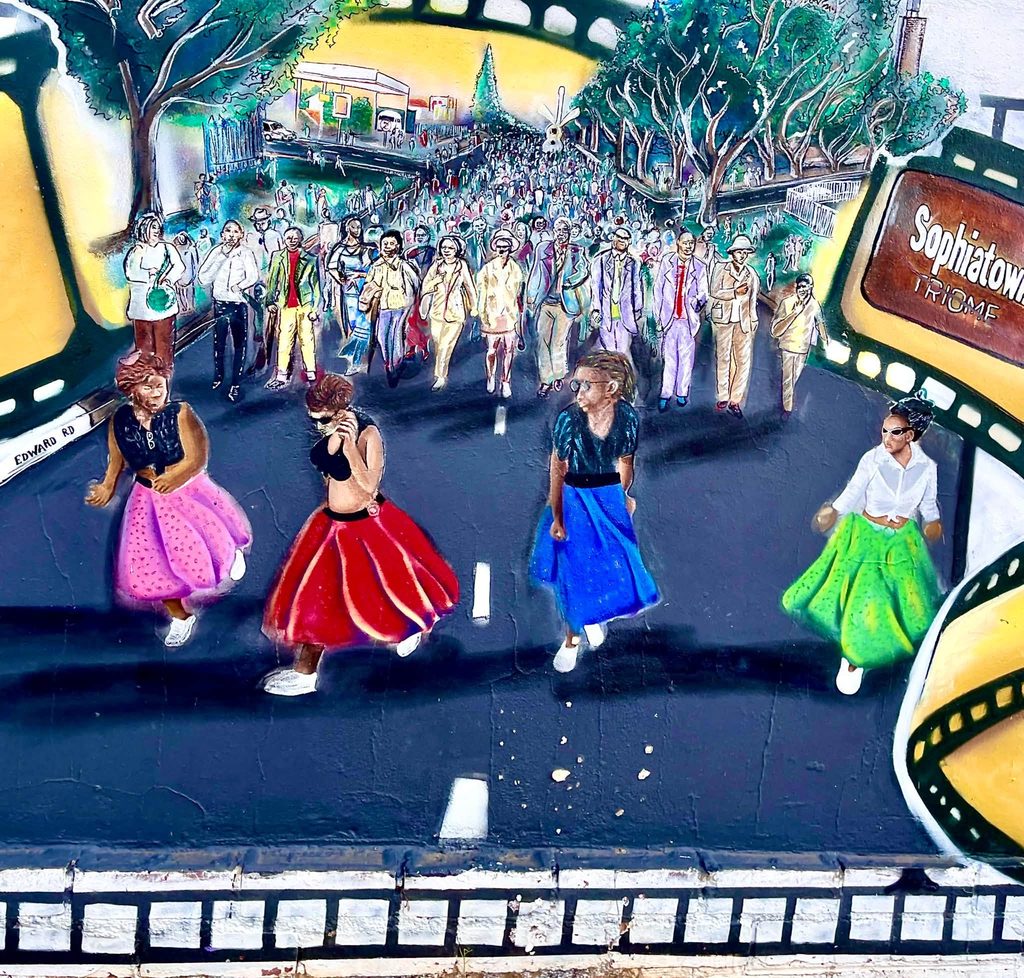
Our team visited Sophiatown as another stop on our Just Peace Pilgrimage. In this place, we heard such sad stories of dehumanization and destruction. Prior to the segregationist Group Areas Act, which divided people into race-based spaces, Sophiatown was a historic, multi-racial suburb of Johannesburg, South Africa. It was a repudiation of the apartheid nightmare and thus was targeted for destruction. Despite having become famous as a vibrant cultural hub it was obliterated by the regime during the apartheid era.
Founded in 1897, Sophiatown became one of the few areas where black people could legally own land. It developed to become a legendary center of jazz music, literature, and politics, producing iconic writers and artists like Can Themba, Bloke Modisane, and Miriam Makeba. It was also home to activists like Trevor Huddleston and Nelson Mandela.
Because of what it represented, Sophiatown became a prime target of forced removals under the apartheid regime’s Group Areas Act and the Native Resettlement Act. On February 9, 1955, armed police began forcibly removing residents whose homes and businesses were demolished. A white-only suburb named Triomf (Triumph in Afrikaans) was built in its place.
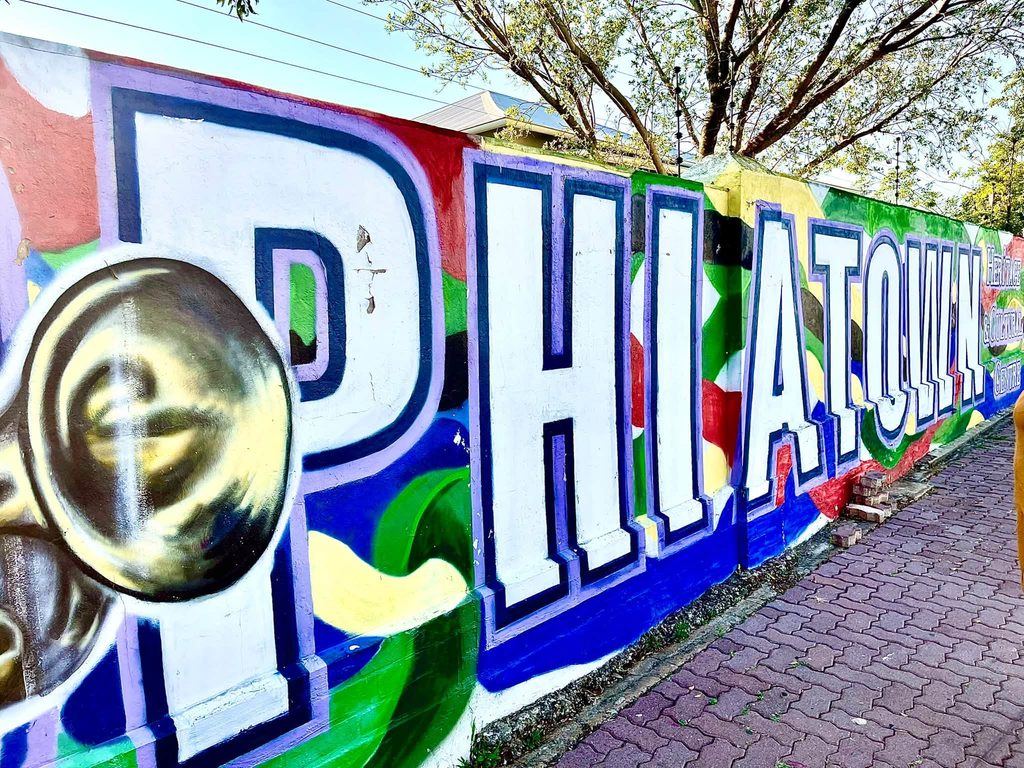
In 2006, after the end of apartheid, the suburb was officially renamed back to Sophiatown, and the community is slowly being restored to become again a multiracial representation of the “rainbow nation.”
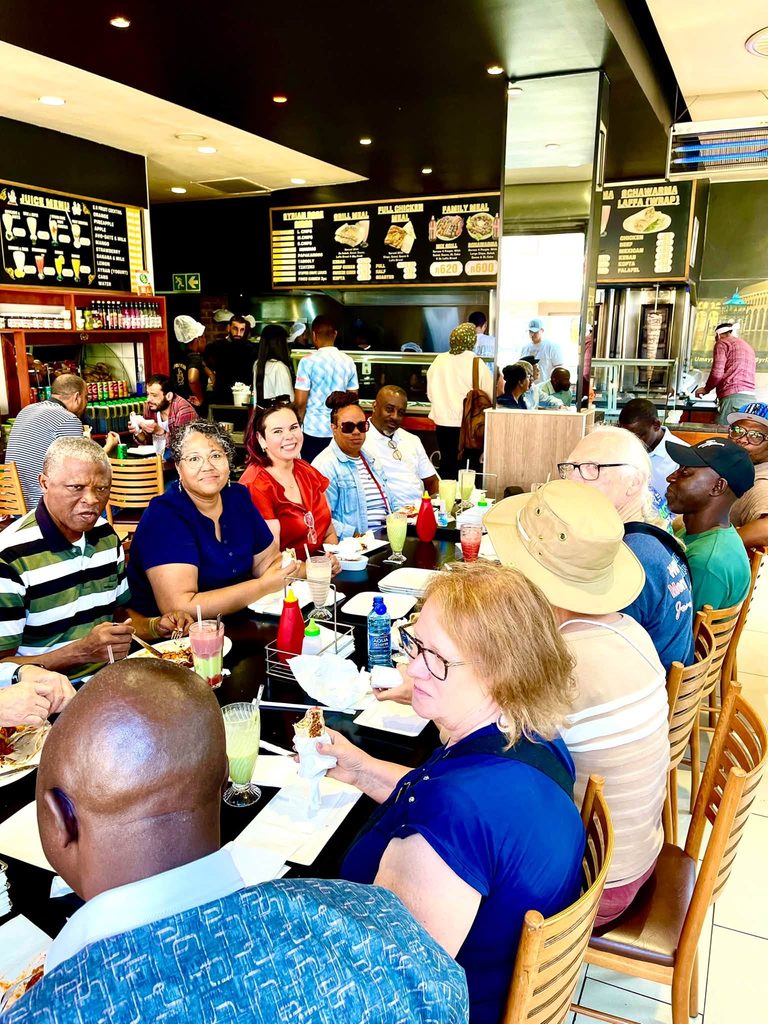
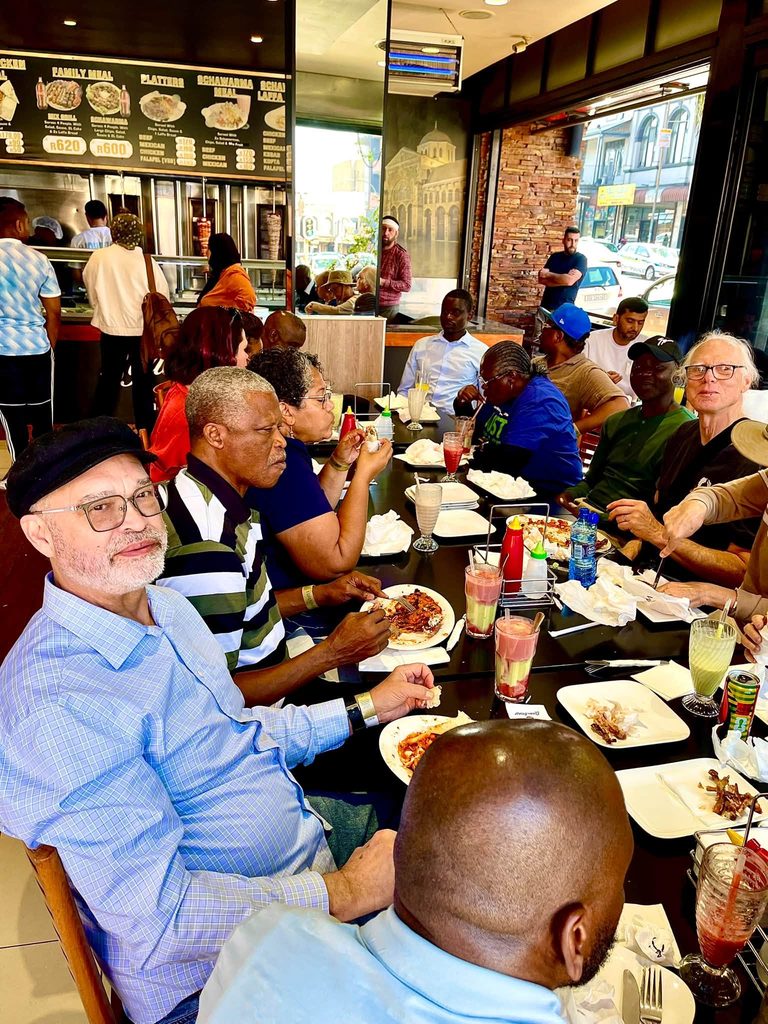
PS. On our way to Sophiatown, we stopped in Fordsburg for lunch at a Syrian restaurant surrounded by many Indian-owned businesses.
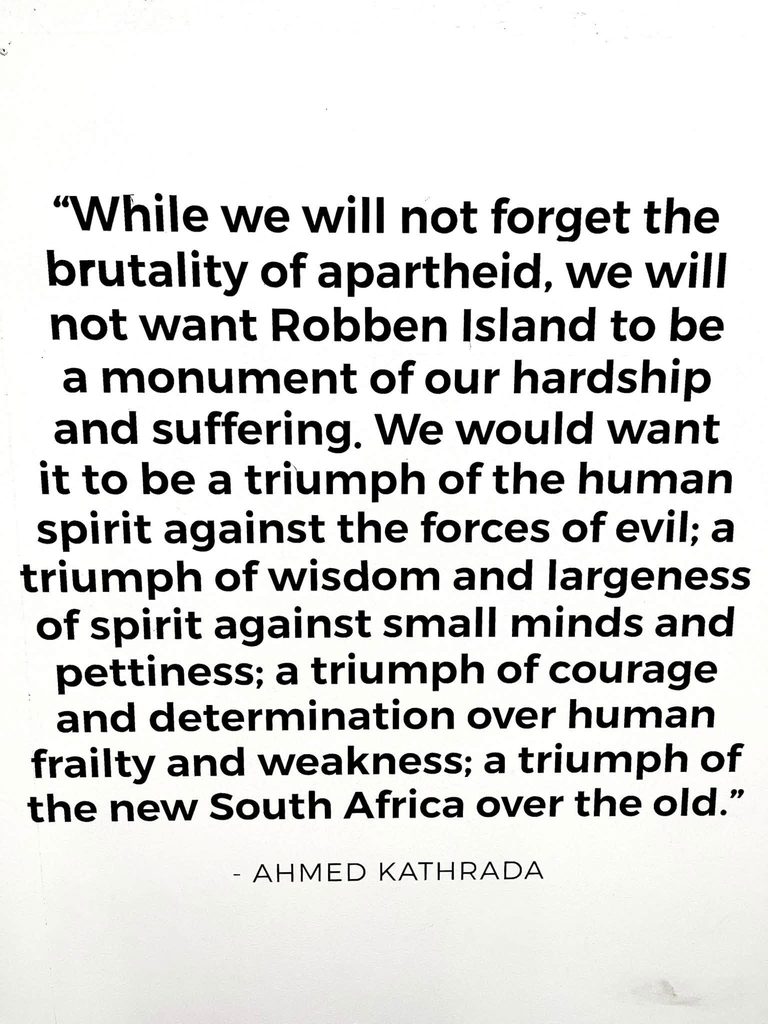
September 18 — “…A triumph of the human spirit over the forces of evil; a triumph of wisdom and largeness of spirit against small minds and pettiness; a triumph of courage and determination…”
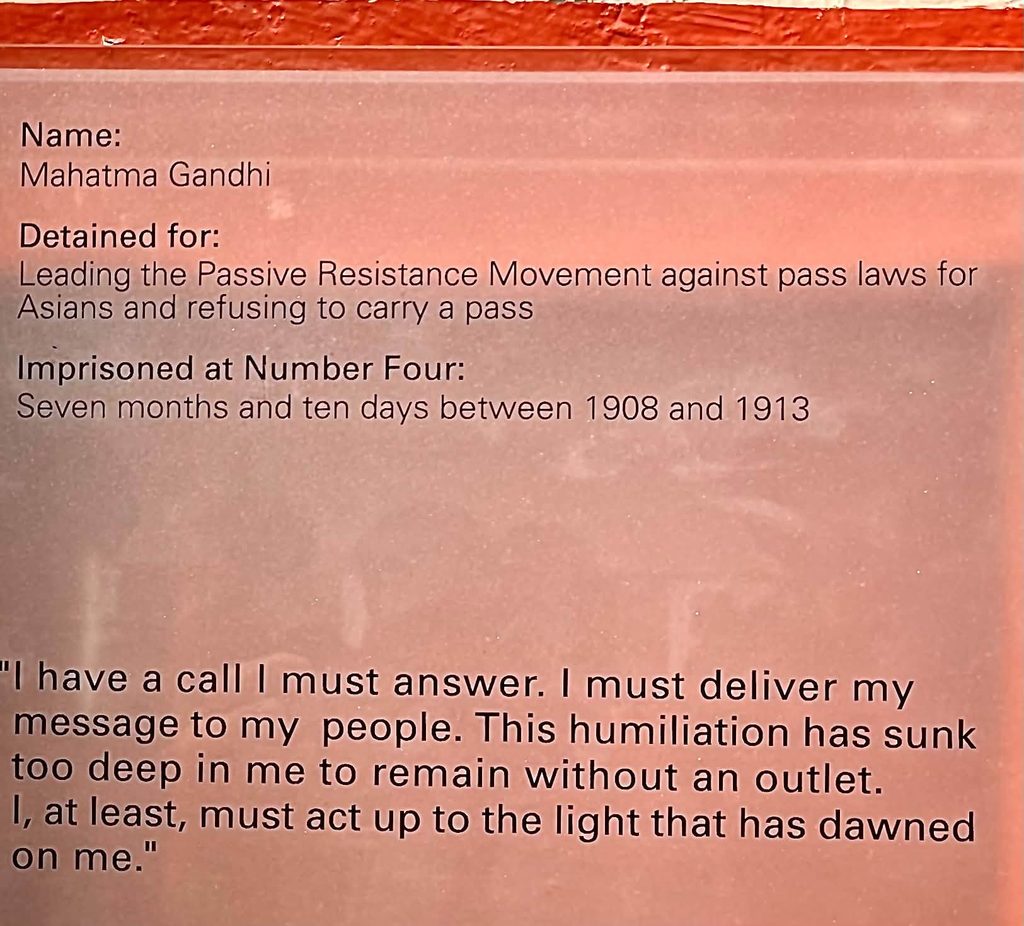
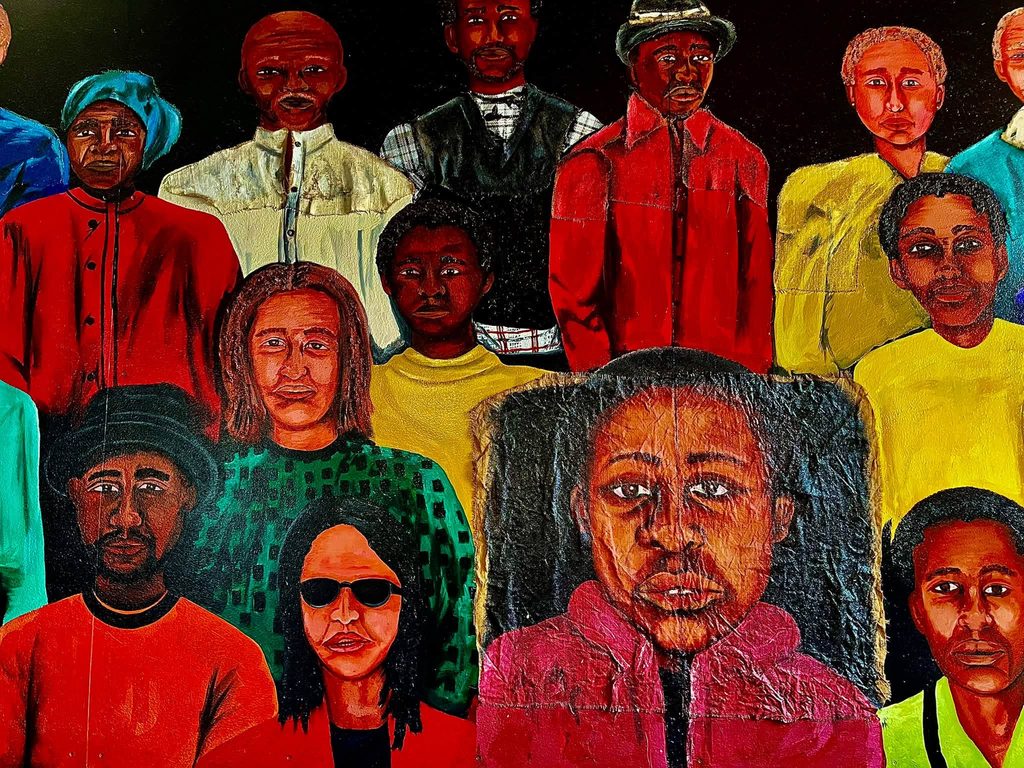
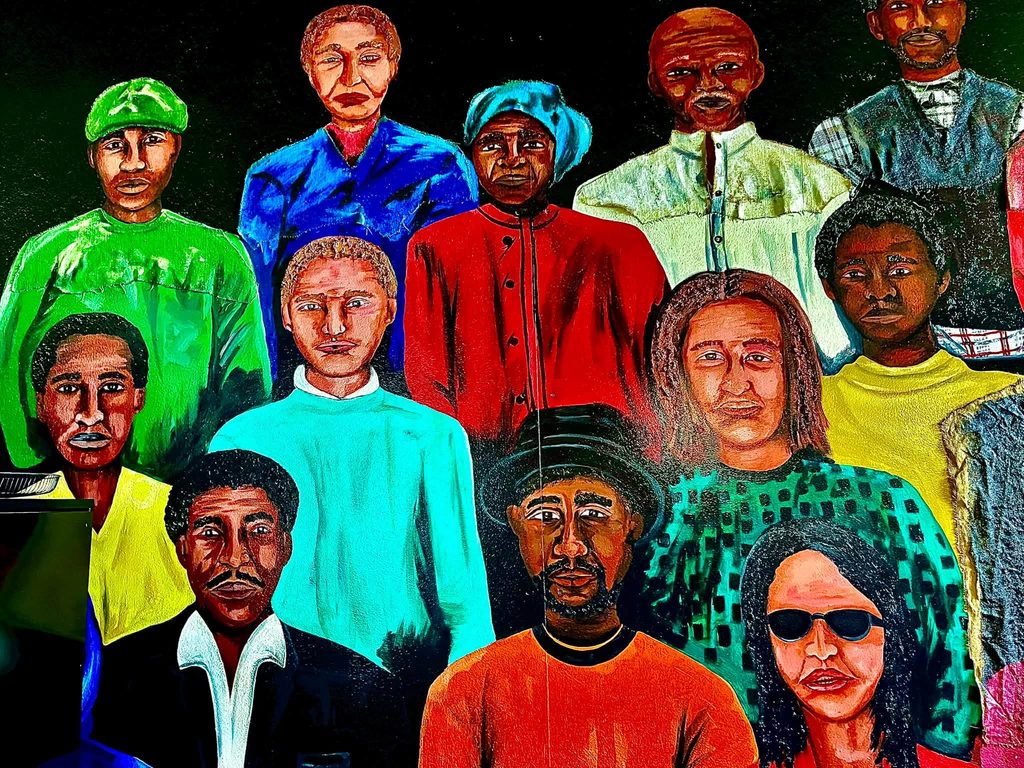
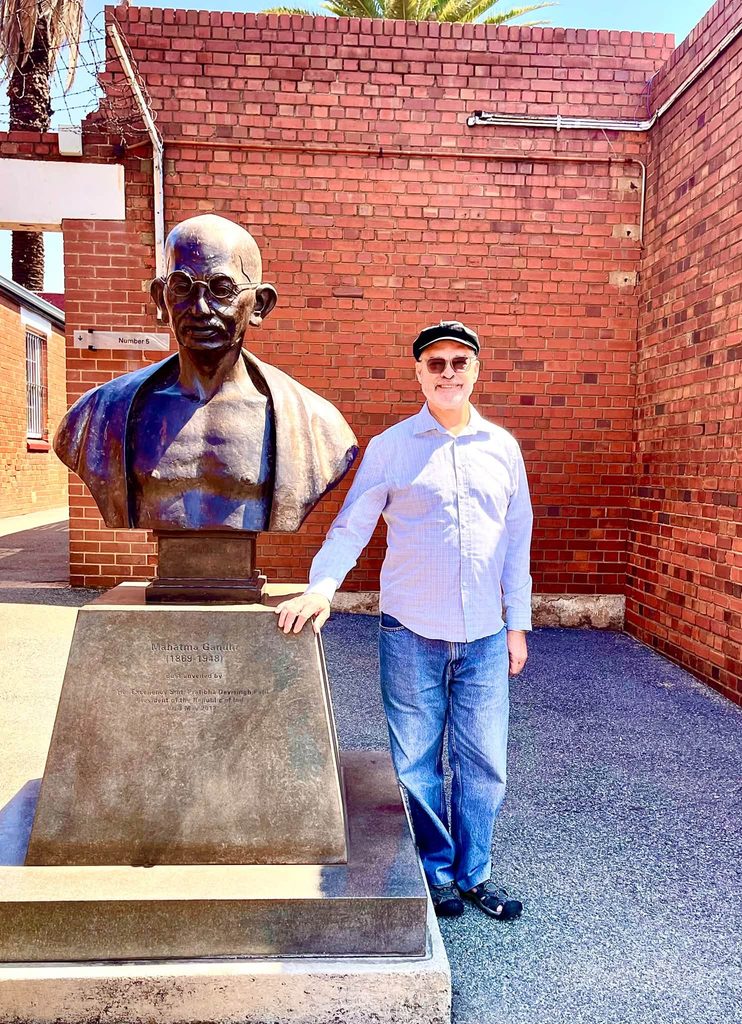
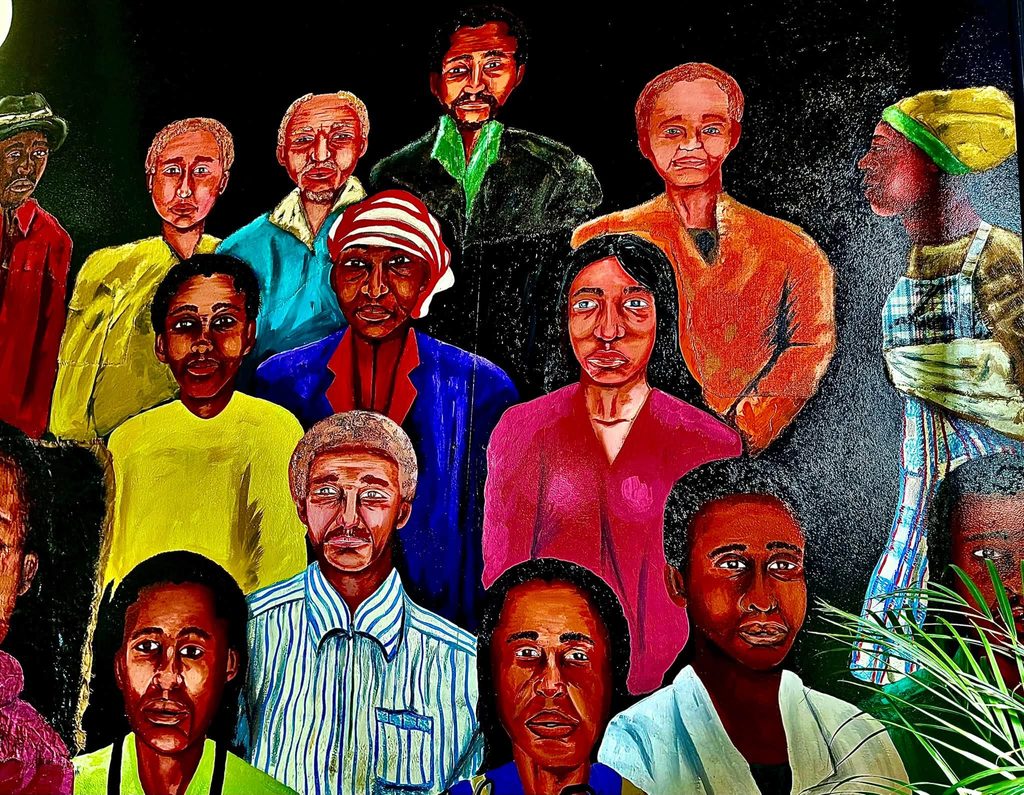
On this day our Just Peace Pilgrimage group came to a hill that overlooks Johannesburg. As the hills sloped downward, we followed the descent towards the indignities and dehumanizing punishment that was meted out to prisoners with brutality and soul-destroying atrocities in the notorious prison which is now a museum.
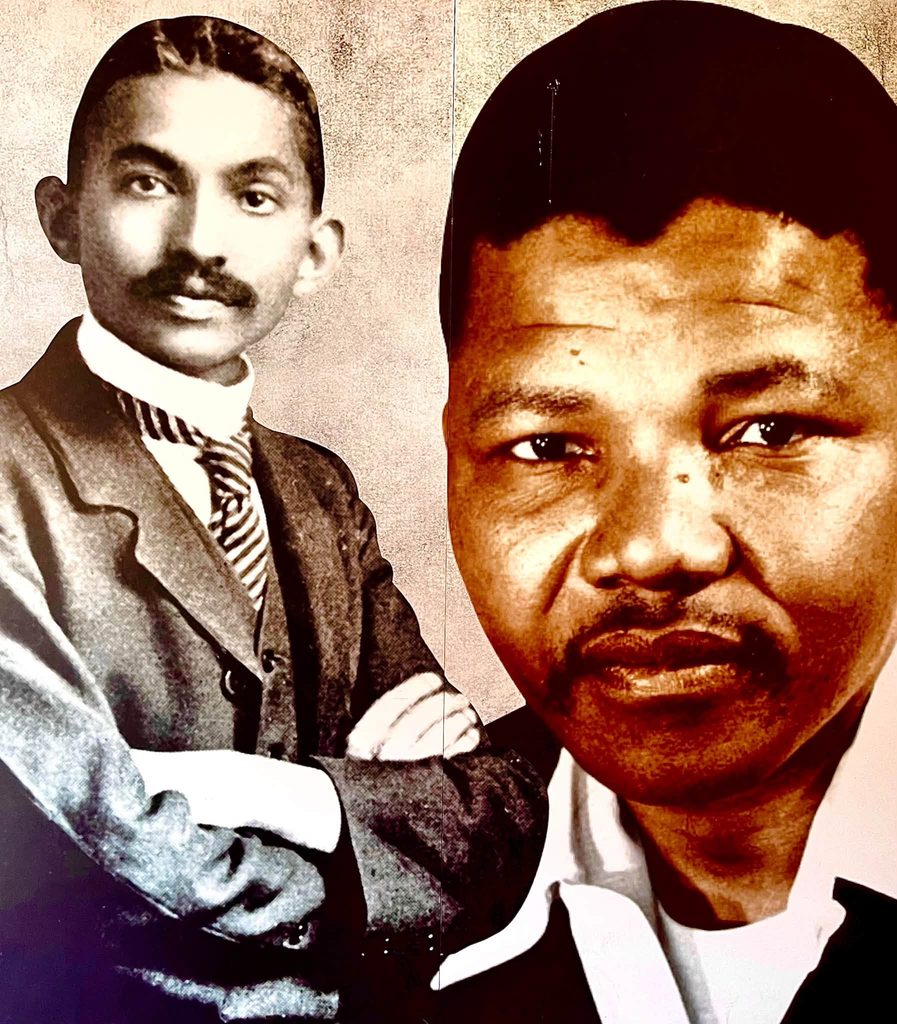
Among those prisoners was Nelson Mandela and Mahatma Gandhi — two enduring global icons heralded for their “largeness of spirit” in the face of vicious repression — one at the heart of the liberation from the racism of apartheid, the other leading the fight for freedom from British colonial rule in India strengthened in his resolve by humiliating encounters with bigotry in apartheid South Africa.
The dark cells, the meagre food rations, the indignity of beatings and naked ablutions in public and solitary confinement failed to break them. They transformed these violations and humiliations into an enlargement of their spirits that ushered in freedom from oppression and brutality.
Walking up the hill, we came to the Constitutional Court, the highest court in the land. Where once the law was used to silence, intimidate and destroy lives, now this high court to which we ascended protects the human rights and civil liberties of all people in the land.
September 20 – Sunlight and freedom
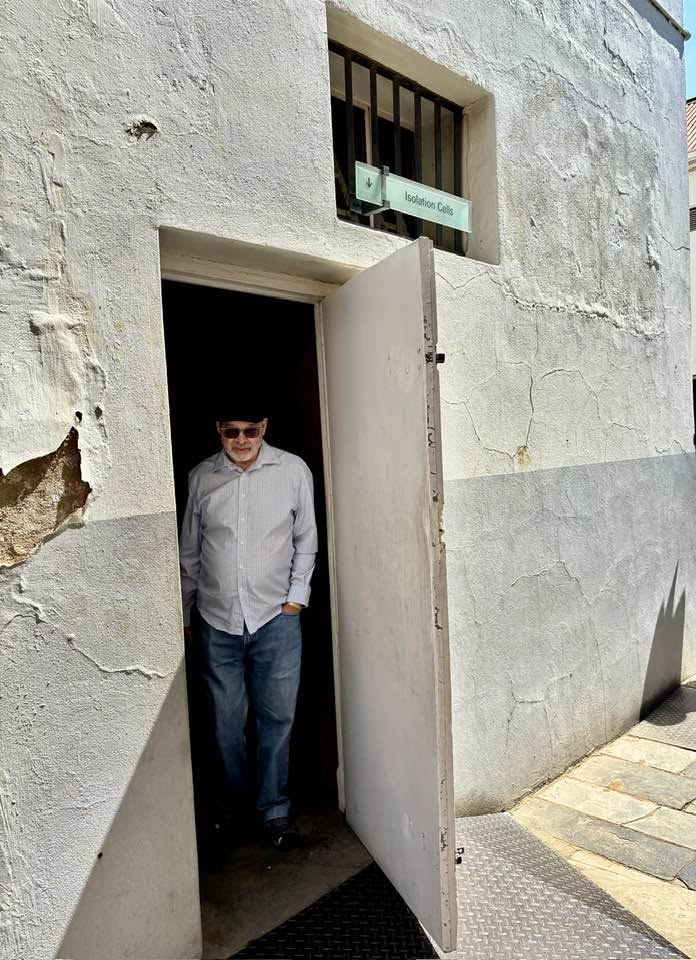
The below photo shows me emerging from the dark, dank prison cell at Constitution Court where once Nelson Mandela and other “agitators” against apartheid were held. They sat on a cold concrete floor in a small cell 23 hours a day. They were allowed out one hour a day — I was thrilled that I could choose to be in there for a few minutes only before emerging into the sunlight and freedom!
September 22 – A reflection from the Museum of African Contemporary Art
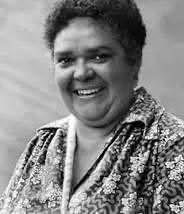
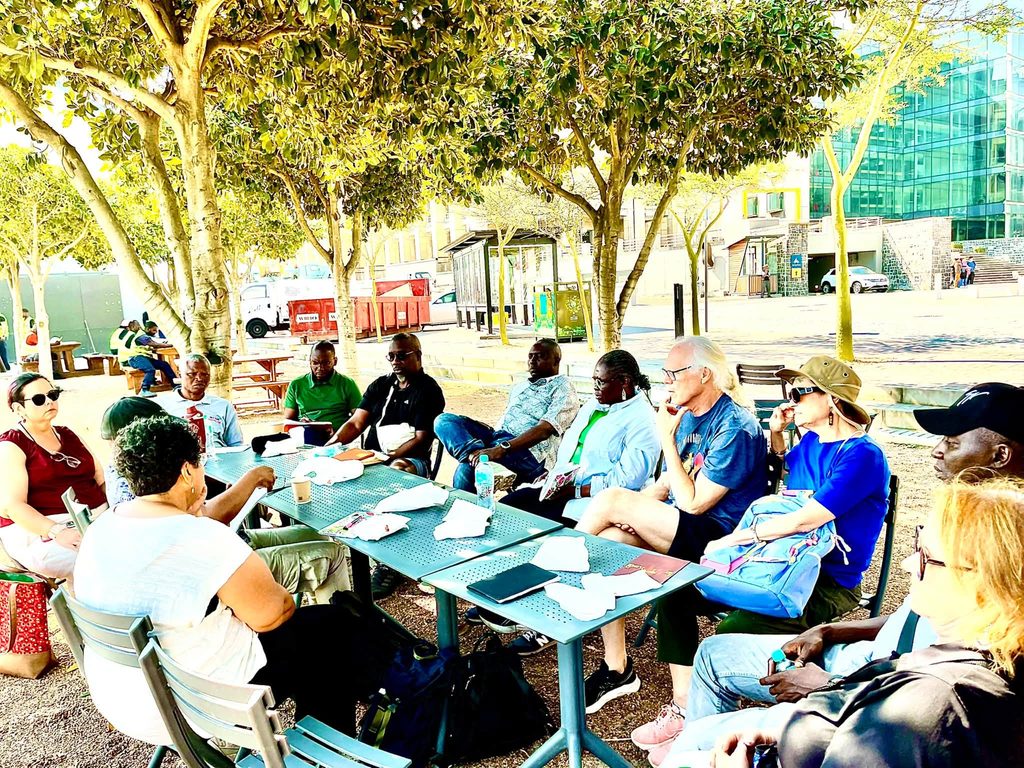
Bessie Head was also born in Pietermaritzburg, a child of a white mother and a black father. She was taken from her parent and given to a “so-called Coloured” family to raise. When she questioned the brutality of apartheid, which she experienced first-hand, she had to flee to Botswana. She became the writer of many books. Sitting on a dock beneath the shade of trees we reflected on our experience — here is my reflection:
Bessie, as your form was being shaped, nurtured by a warm and sheltering womb, did you intuit that you would emerge into a hostile world conceived by colonial rapaciousness and greed? A world which would define the act that led to your conception as untenable, and your being as tainted by deviance.
She who hosted your developing form in her body had crossed boundaries that should not be breached; she had gone to a foreign country; she squandered her privilege and diluted the purity of the master’s blood. Such abnormal behavior can only be understood as a rupture from reality, a loss of sanity. So, they called your mother a “schizophrenic” and took her away from you to spend her childless days in dark, dank prison they called a “mad house,” and they called you a bastard.
Did you know that when you questioned their need to classify you as other, the day would come when your repudiation of their system of separation that justified tearing families apart would make you into a subversive? You would become a threat to their callous preservation of privilege for those who preferred to erect a monument to death rather than devising a plan for sharing the bounty and beauty of this land.
In the faraway town of Serowe, Botswana, did you remember Pietermaritzburg, the common place of our birth? Did the recollection of its beauty, and the sad reminders of its ravaging and despoilment, the squandering of its promise, draw you down into a dark place they diagnosed as depression in you?
When your final moments came, did you lament the great losses they inflicted upon you, your mother, your father, your son and all your kin and clan who were wrong to have allowed themselves to receive the richness of God-bestowed pigment? That gift of God sadly led to diminishment and being demeaned by those who valued the sterility of “pure blood” rather than the rich diversity which inheres in God’s creation.
Rejoice, Bessie; generations beyond you are still being nurtured at the breast of your writings. Your pain has opened the door to a new appreciation of our personhood!
Tell me, Bessie, how was the party and celebration when your creator welcomed you home — not as an other, nor an alien, but as a blessed and welcomed daughter embraced by the prodigal love of your creator?
September 25 — Carnage, bravery and creativity on the long road to democracy…
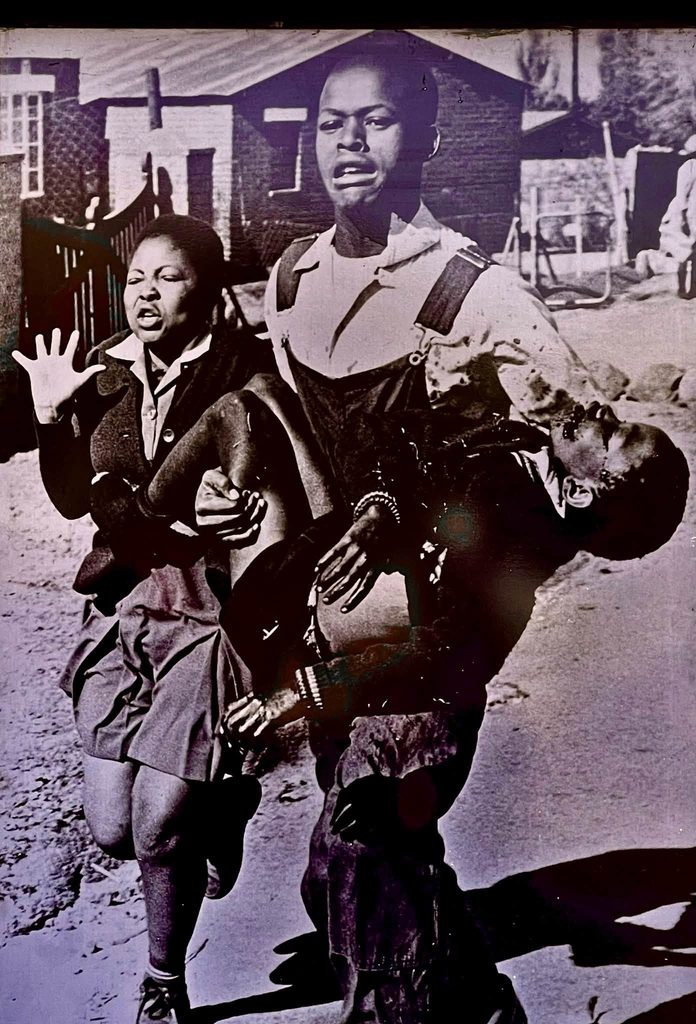
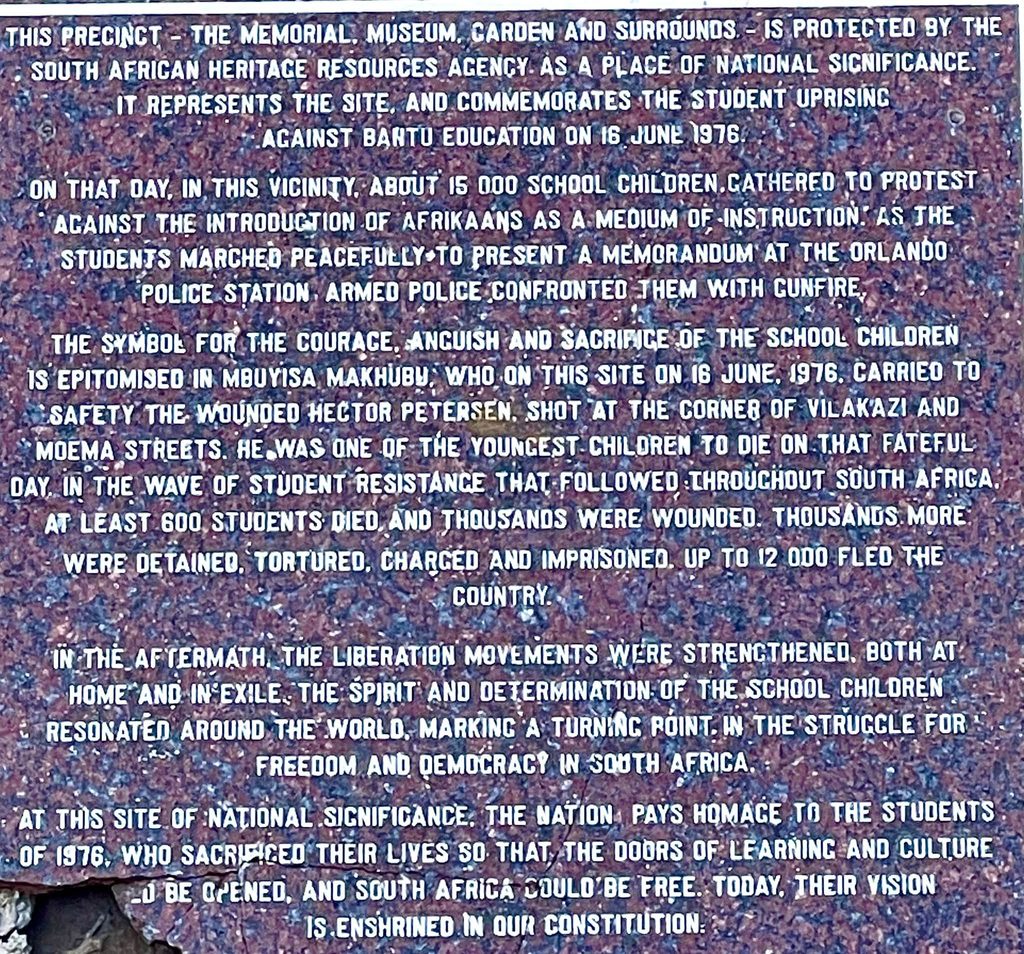
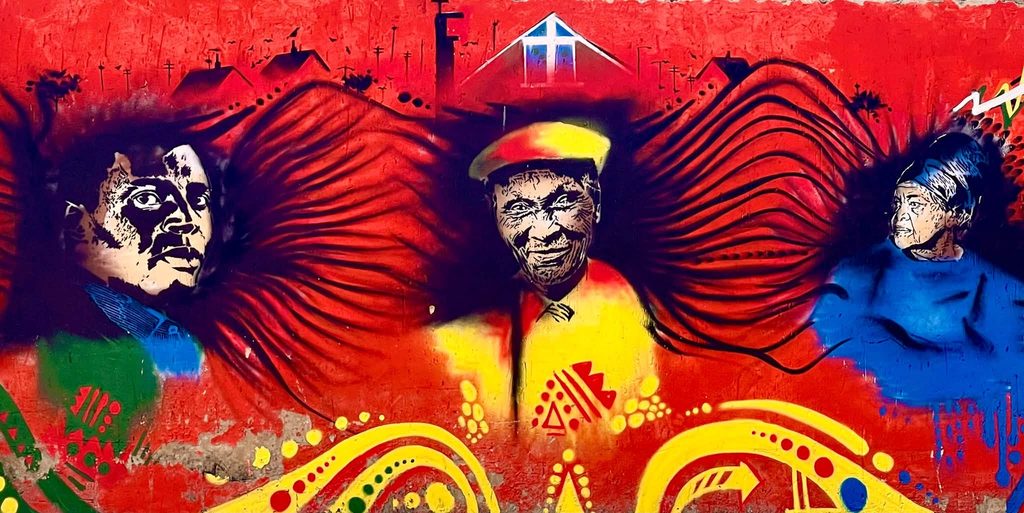
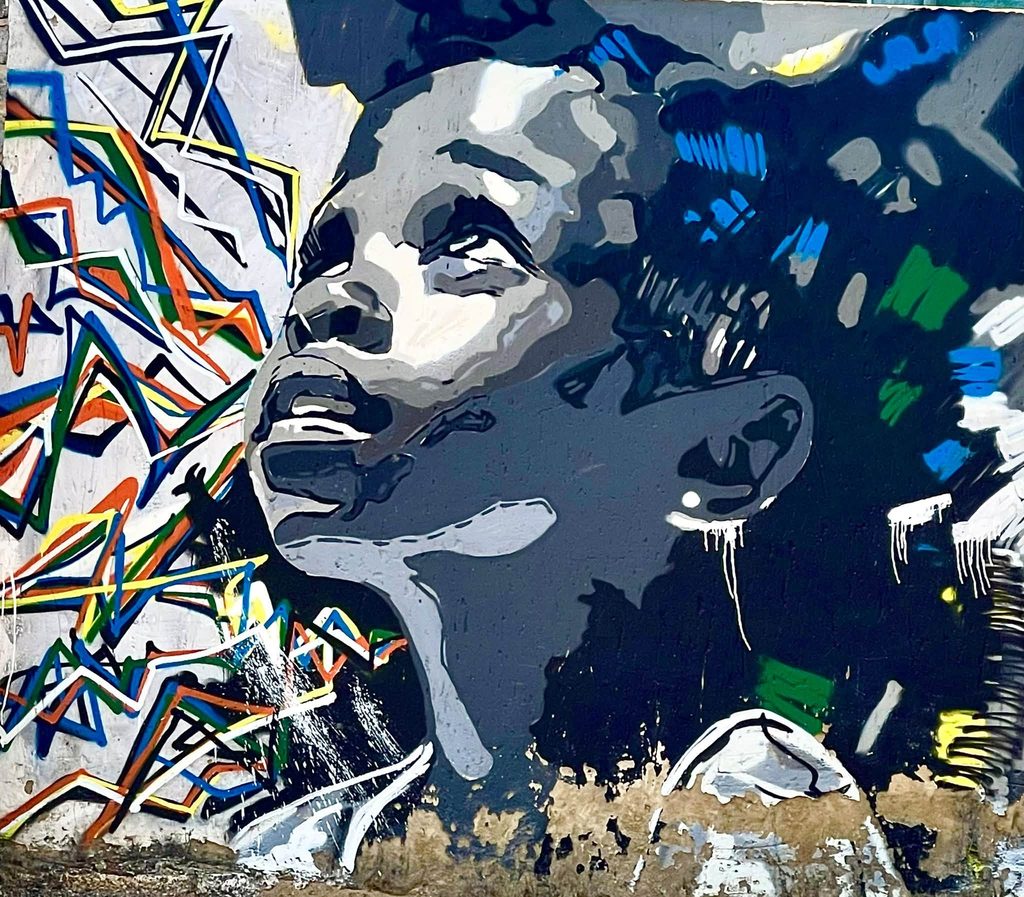
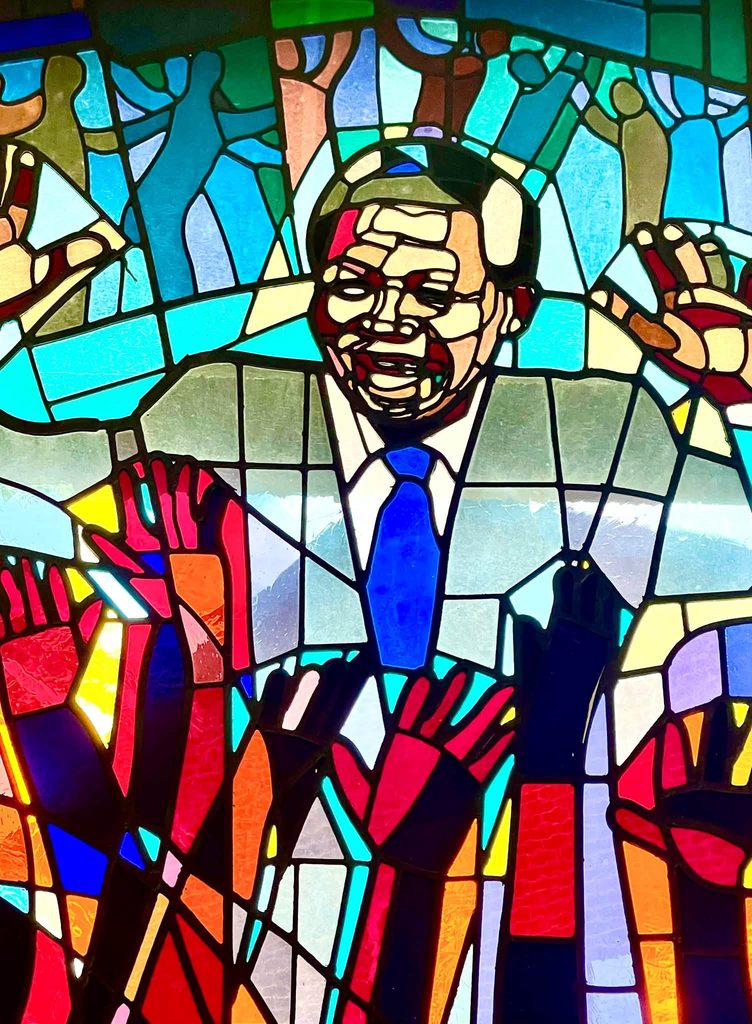
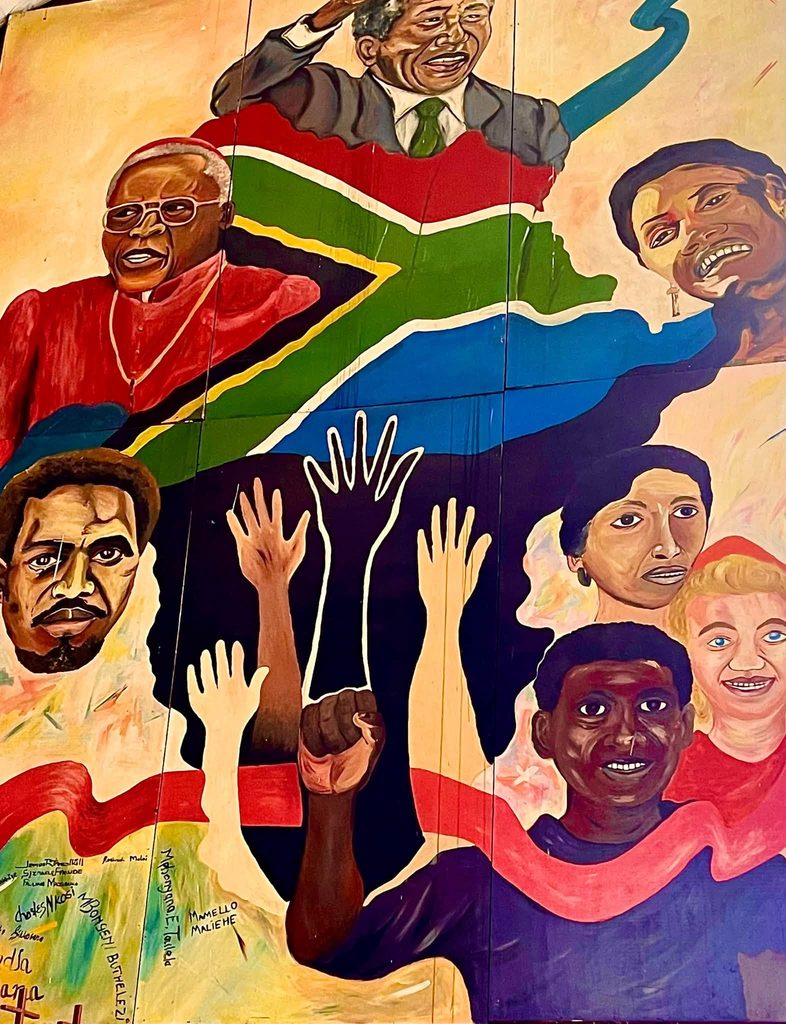
Before leaving Johannesburg, our Mission Network Just Peace Pilgrimage group visited Soweto, Orlando, Kliptown and Serapeng. We were stunned again by the carnage perpetrated by the apartheid regime as it tried to prop up its system of segregation, inequality and injustice. We visited the Hector Pietersen museum, where we learned of nearly 700 schoolchildren being shot and killed, with twelve year old Hector being the first victim of the police brutality on 16 June 1976. We learned also of Mbuyisa Makhubu’s selfless and courageous act of picking Hector up and carrying him to a place of dignity, even in death.
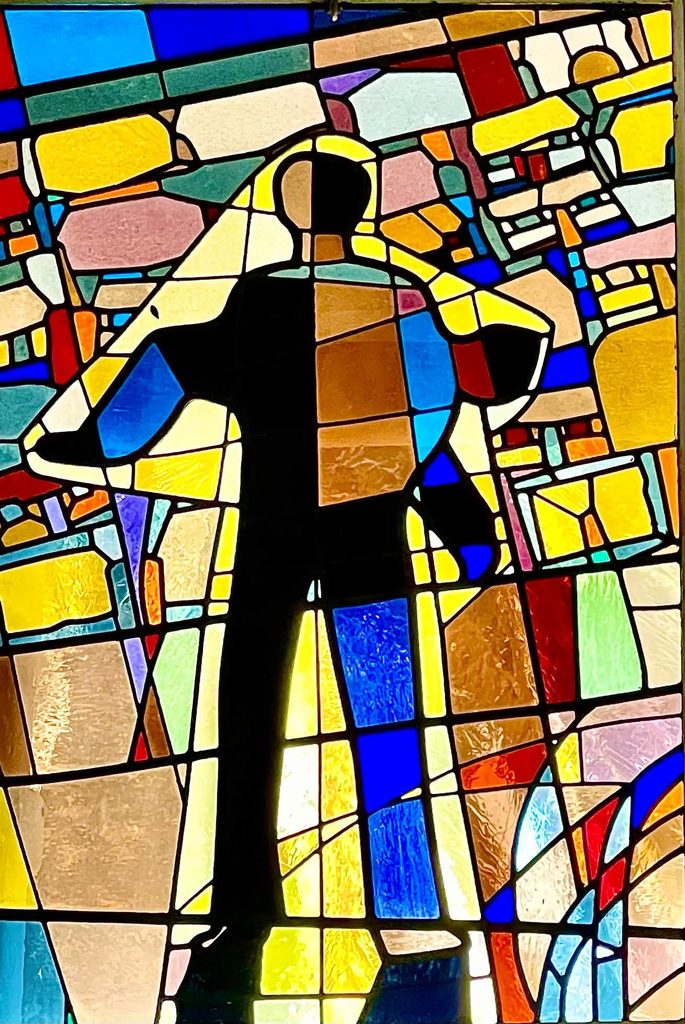
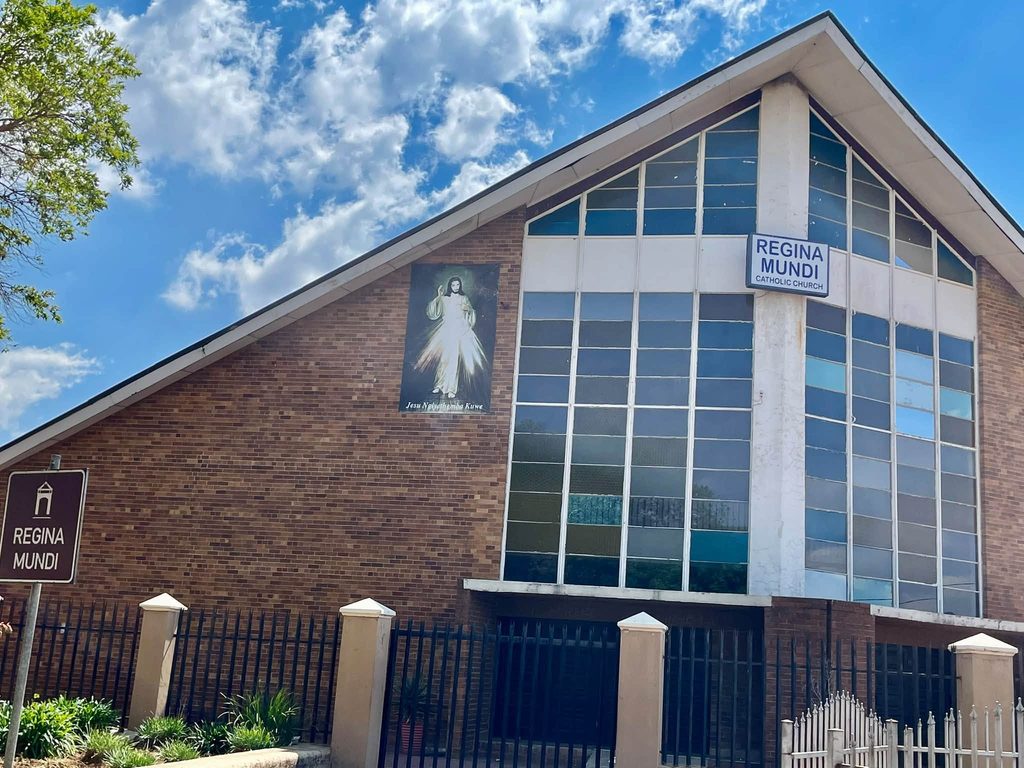
At the Regina Mundi church in Soweto, where 2,000 students crowded into the church building seeking safety, we saw the bullet holes from police firing into the building. We also saw the images of many heroes who gave their lives to resist such evil.
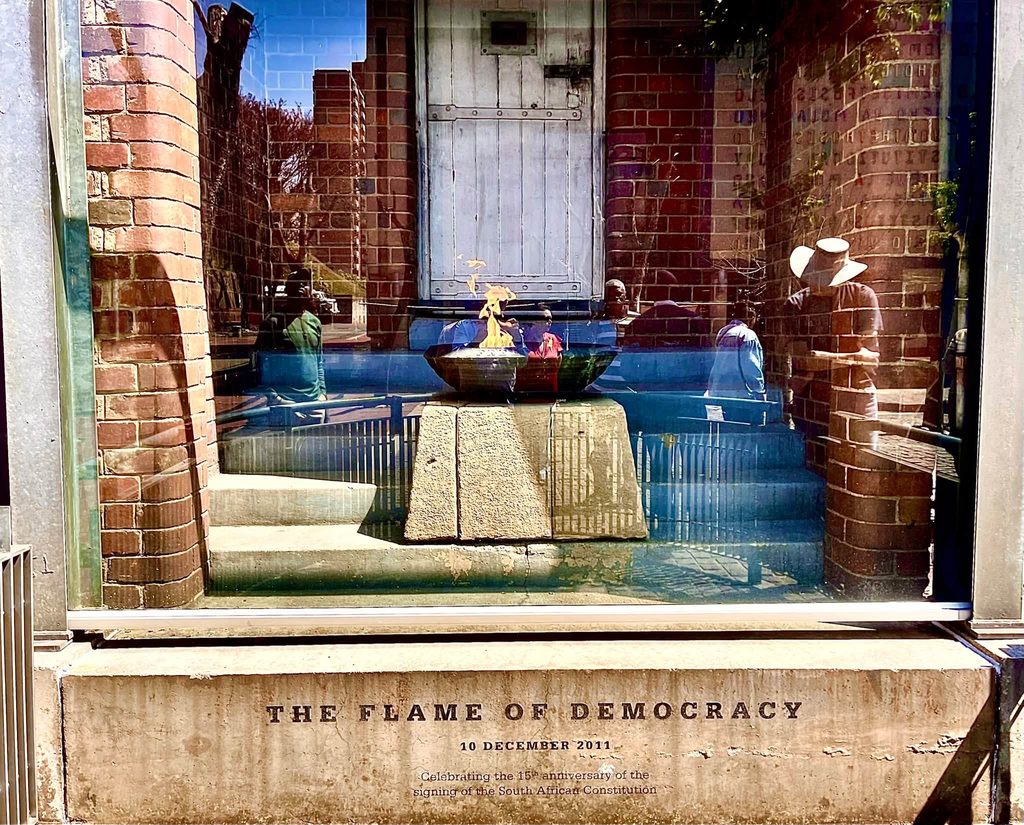
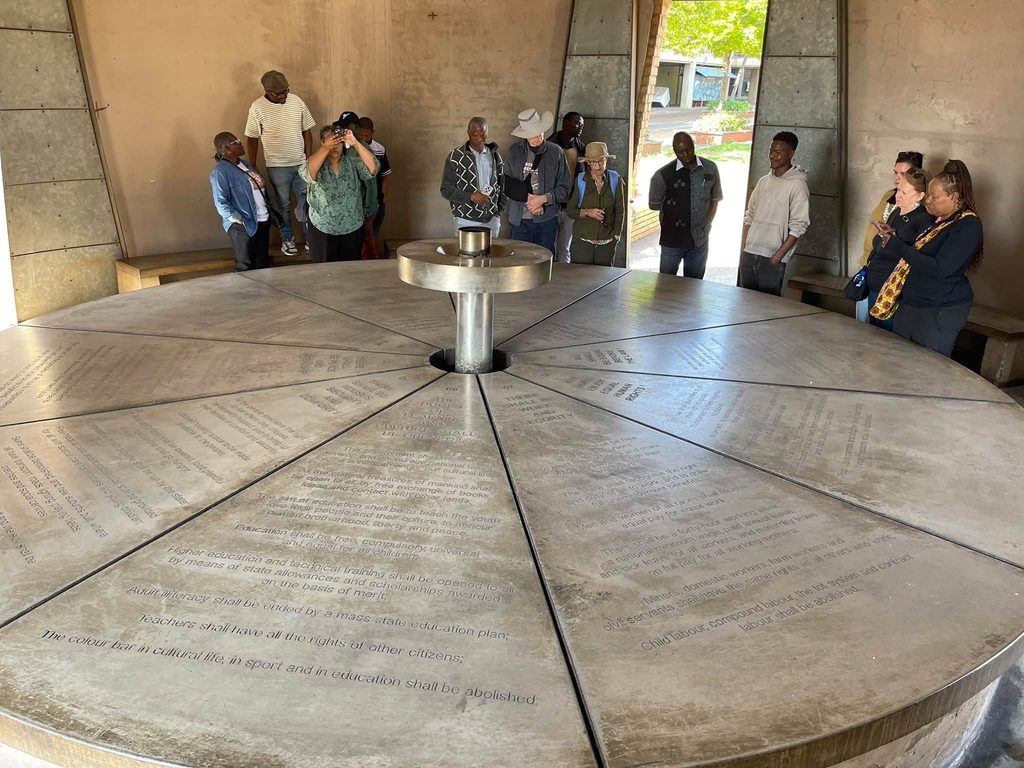
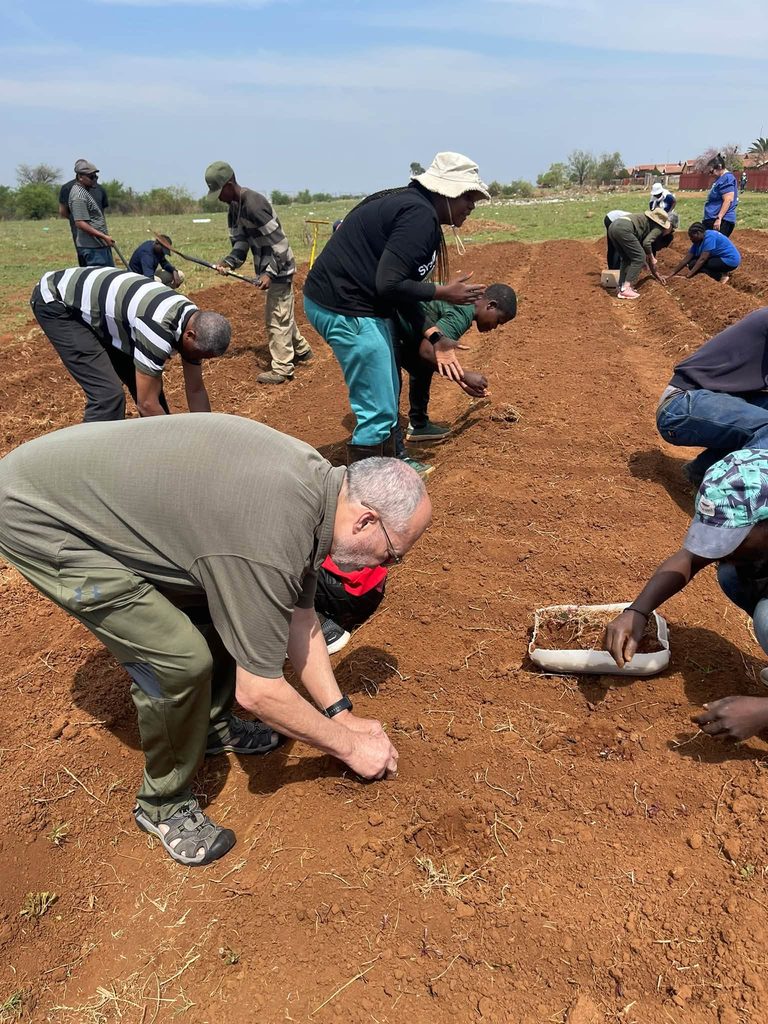
At Serapeng, we joined a women’s agricultural cooperative which is using organically sustainable agricultural practices to feed their community. We rejoiced with them as they sang their hopes and dreams. At Kliptown we visited the monument to democracy where one of the world’s most progressive constitutions is etched in metal. There we heard some young people use their freedom to sing their songs of joy and love.
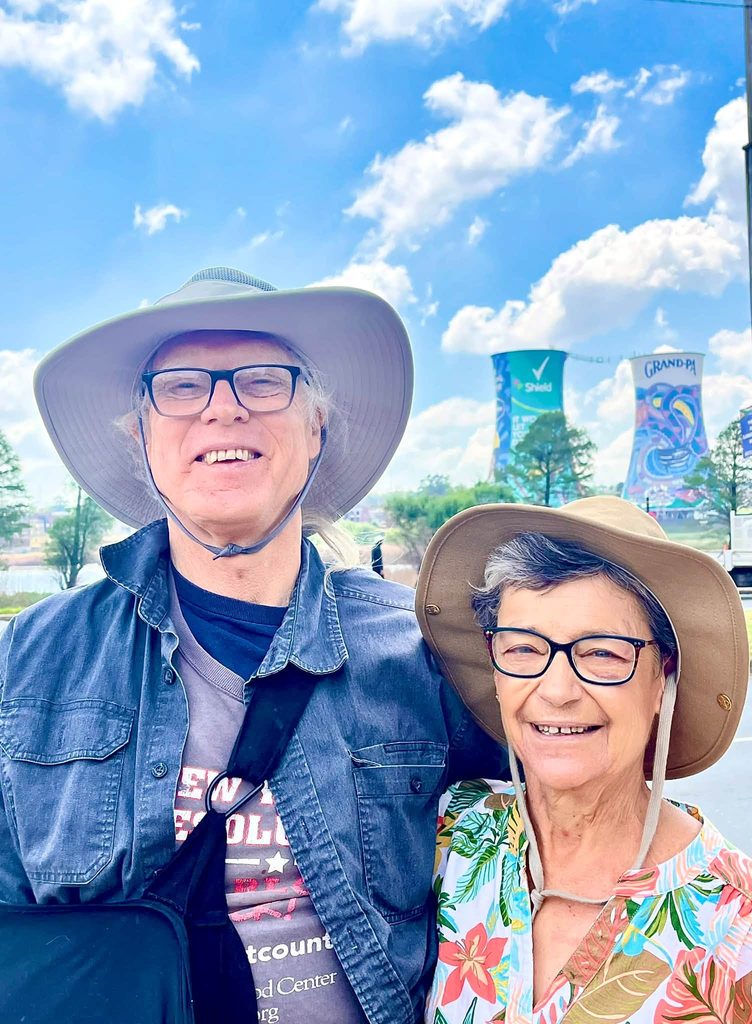
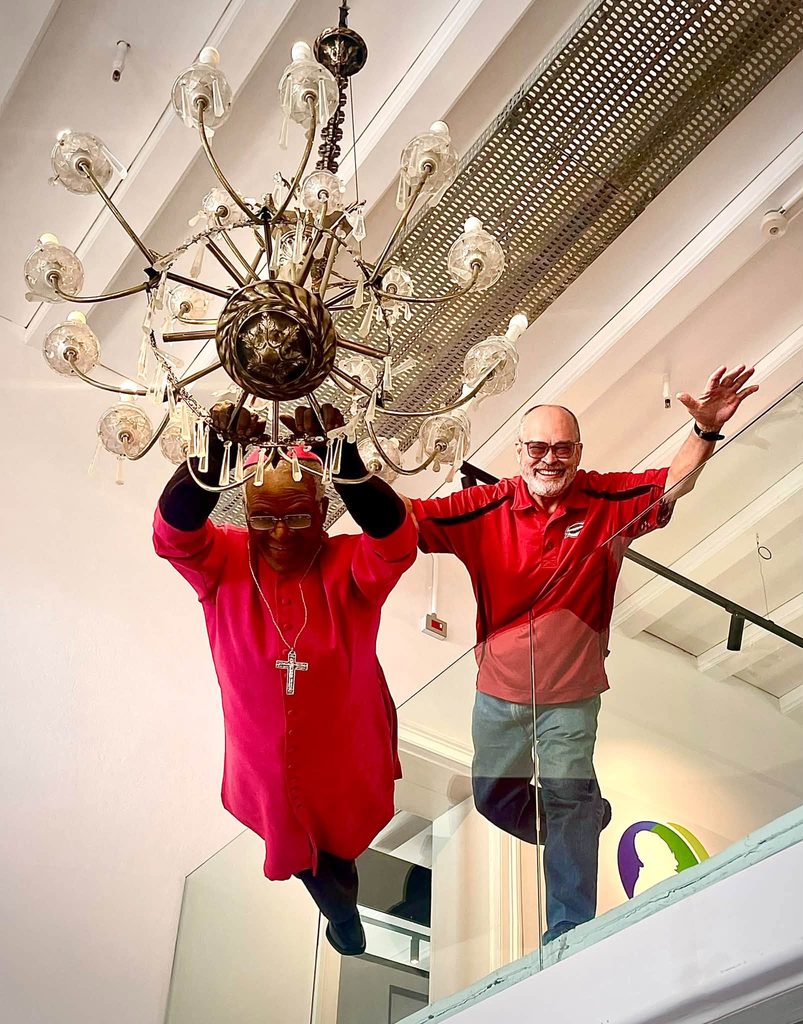
September 26 — Flying with the archbishop…
The church was drawn, whether by selfish interest, or a desire to align with God’s purposes of justice, peace and compassion, to both sides of the struggle in pre-democratic South Africa.
The white Afrikaner church provided the rationale and biblical justification for segregation and inequality. The black church responded to God’s self-revelation as a God of compassion, justice and freedom who in Jesus identified with the poor, the dehumanized and the marginalized.
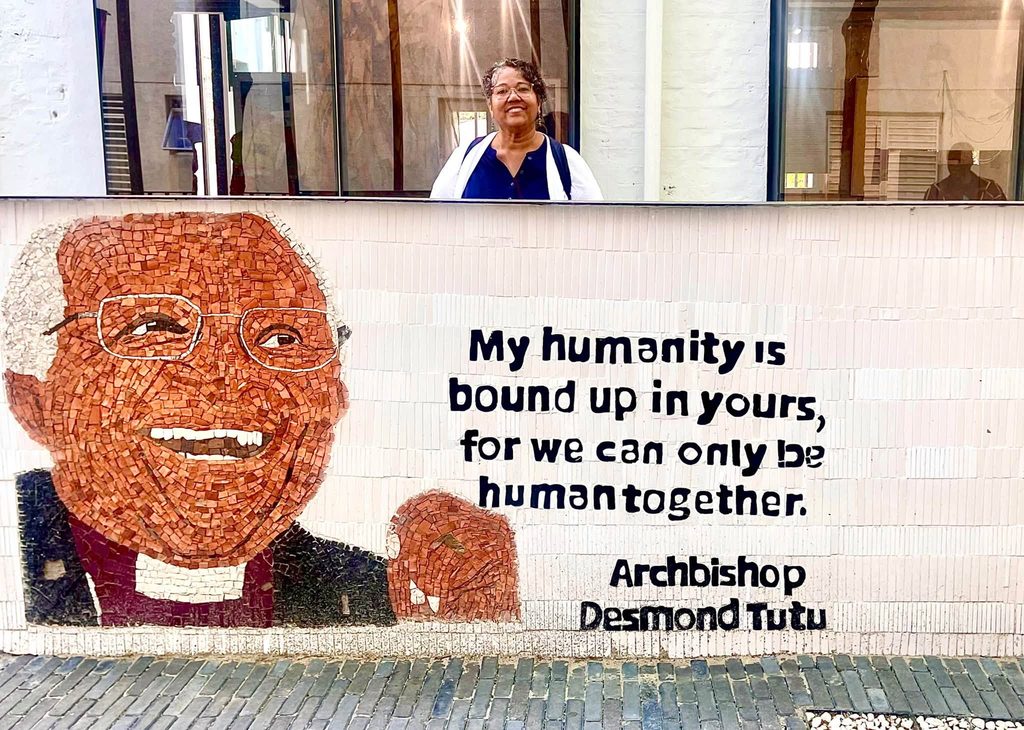
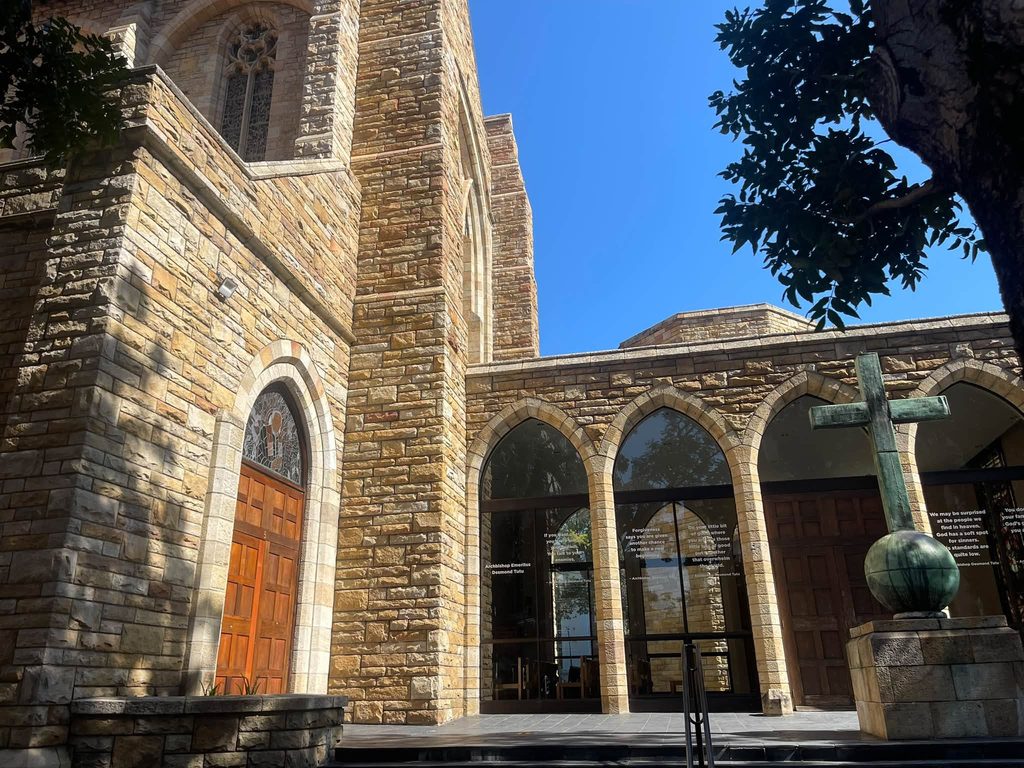
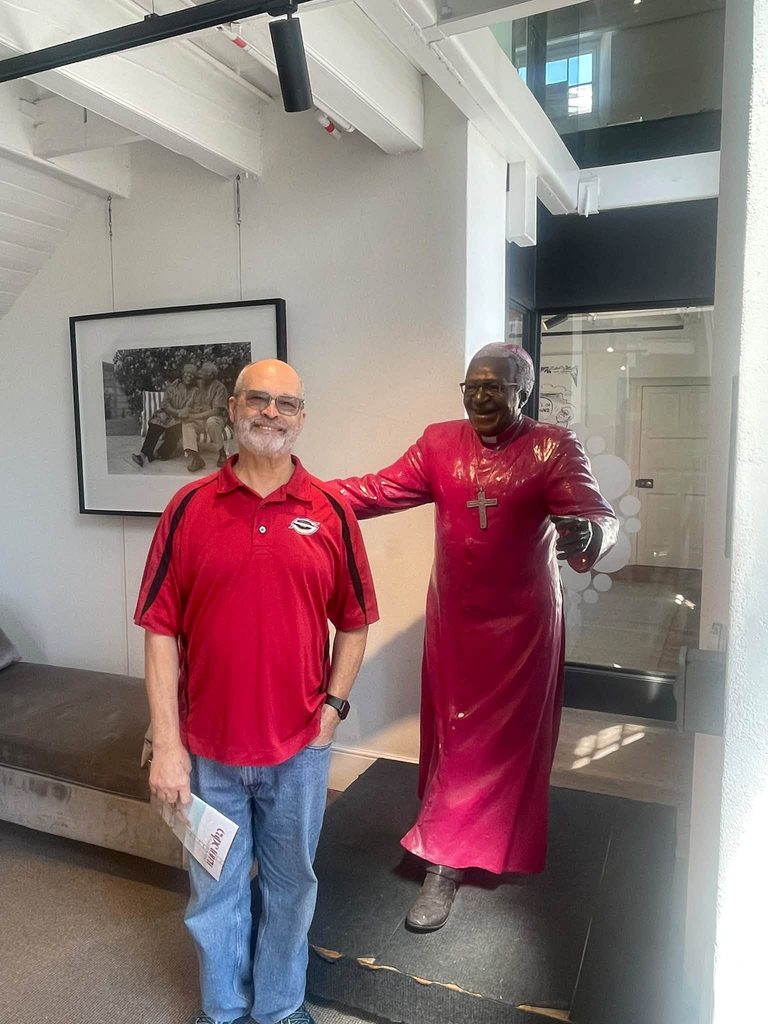
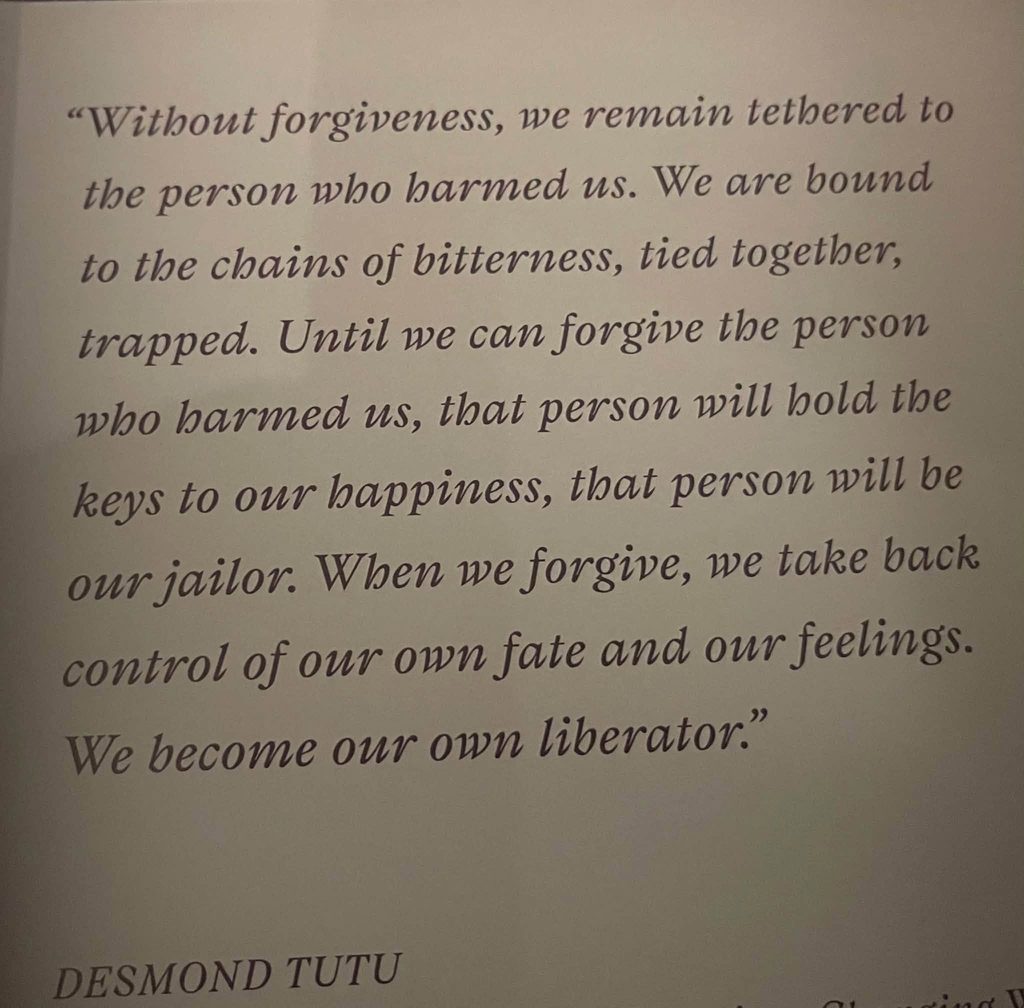
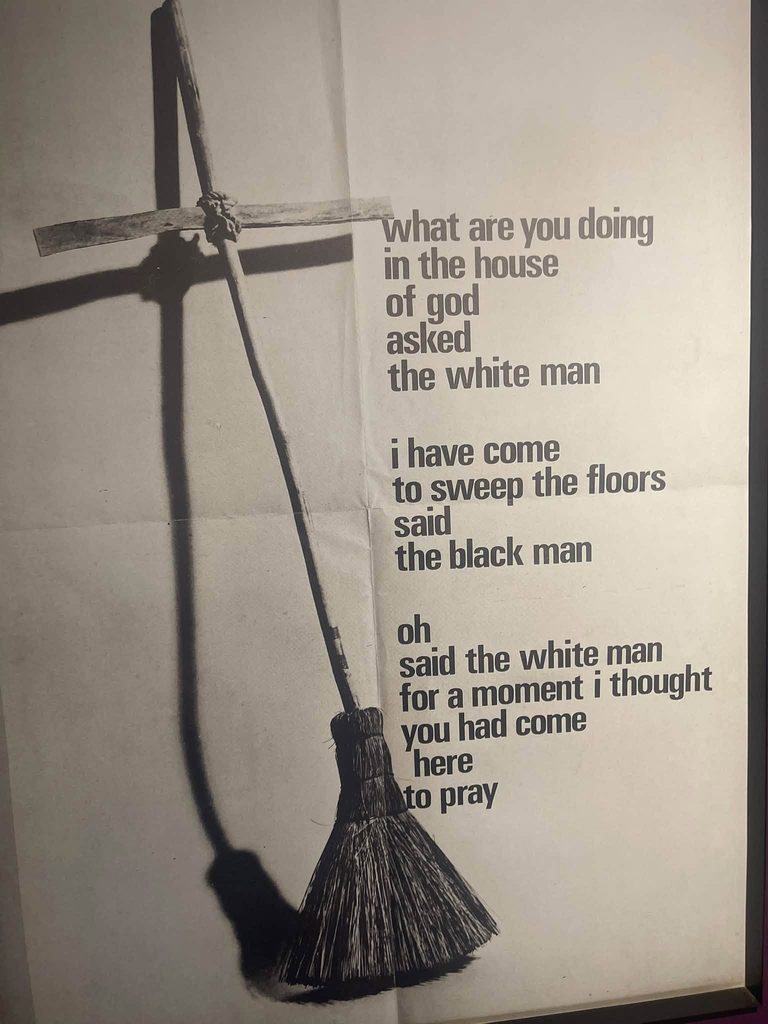
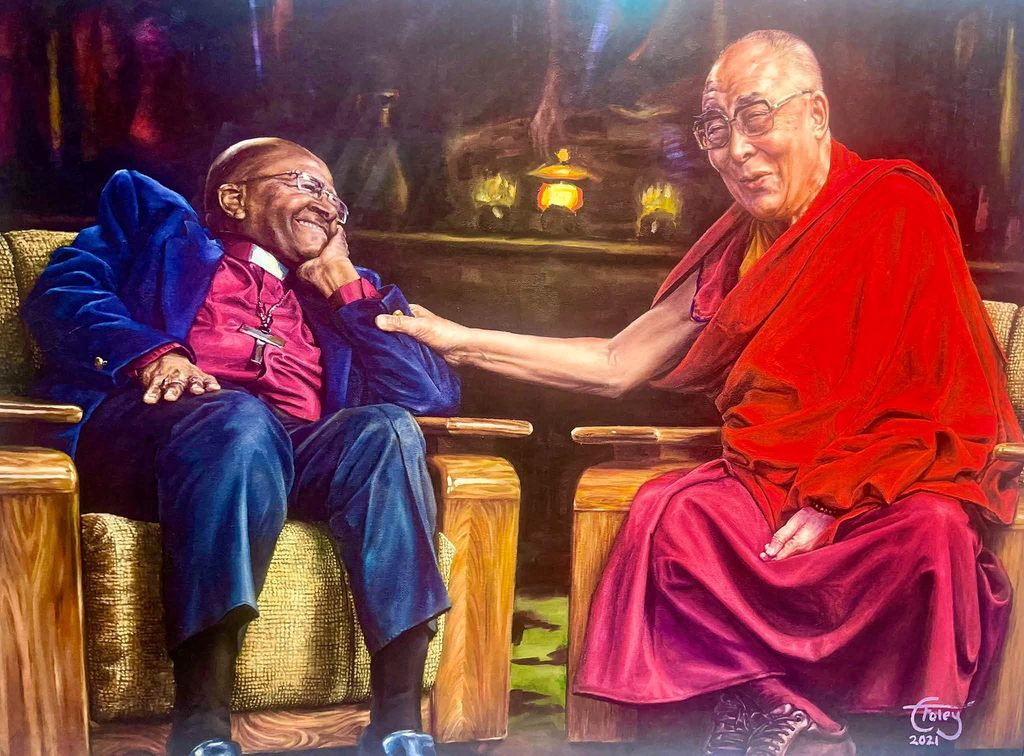
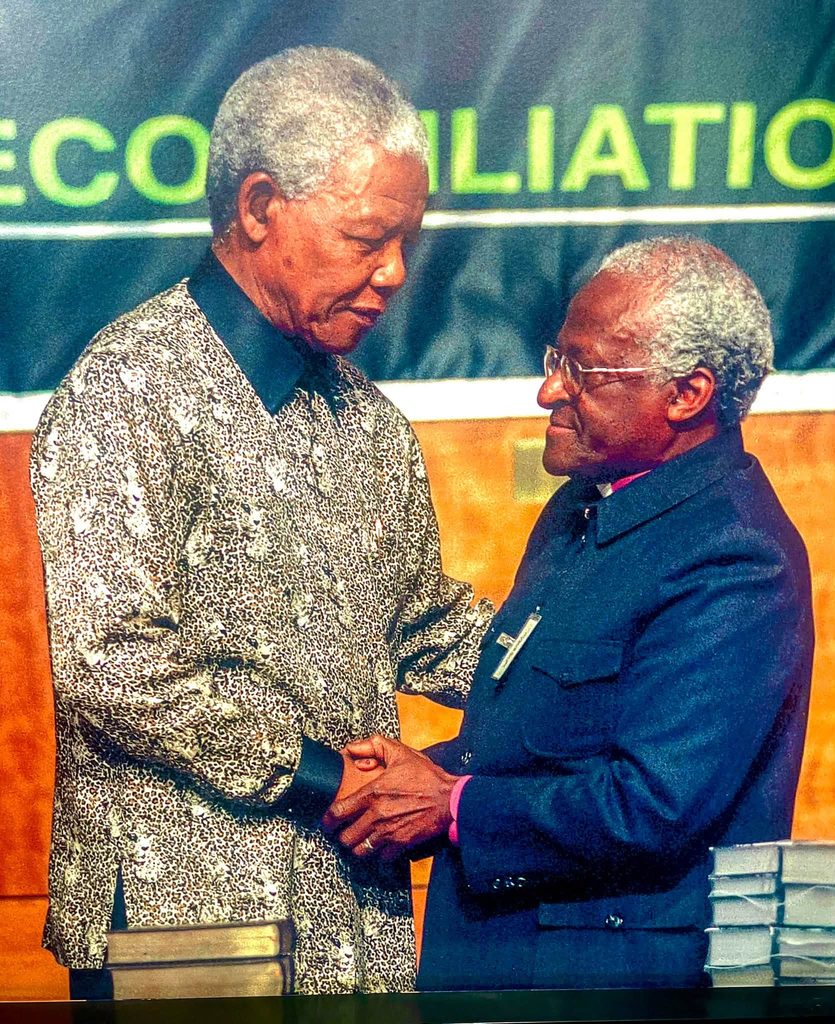
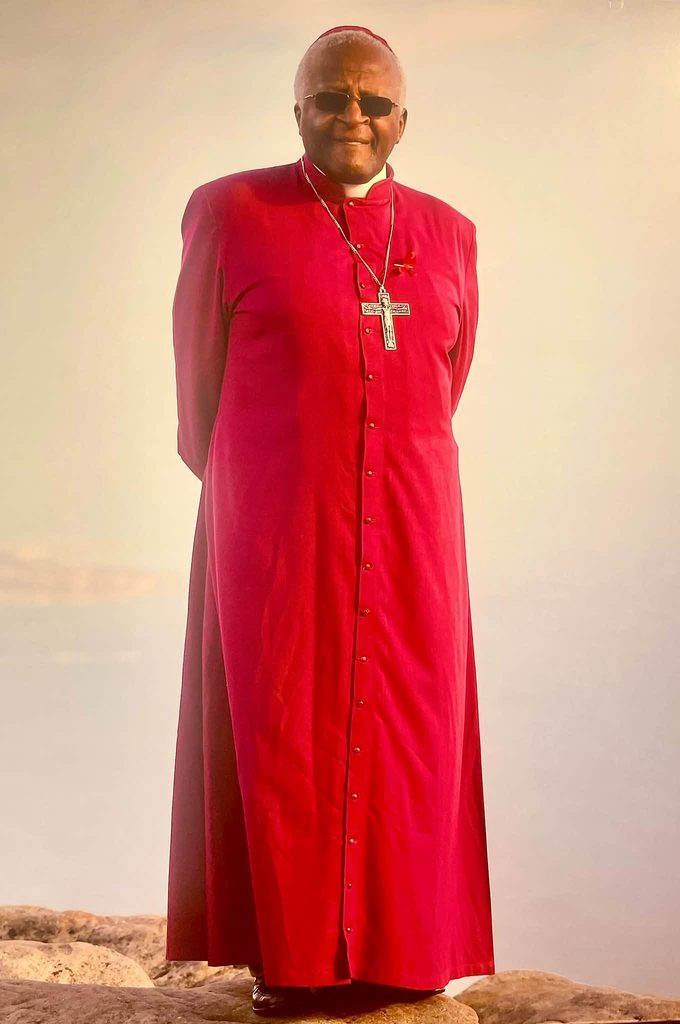
In our Just Peace Pilgrimage sojourn in Cape Town, we saw the effects of the nationalistic church in places like Langa, District Six and across the Cape Flats where people were struggling for survival. And we encountered a man who understood God’s heart and who sought to follow Jesus — Archbishop Desmond Tutu of Cape Town. We visited the place of remembrance dedicated to his and Leah’s (his wife) memory. There was so much we learned about courage, commitment, compassion, forgiveness, reconciliation and so much more from this true South African (indeed, global) hero.
I tried to emulate him — I tried to fly and just as I was about to let go of the balustrade to fly, I realized he was holding onto a chandelier. I can hear his laugh now — he also taught us about humor!
September 30 — A beguiling beauty…a city of tragic, confounding contrasts…
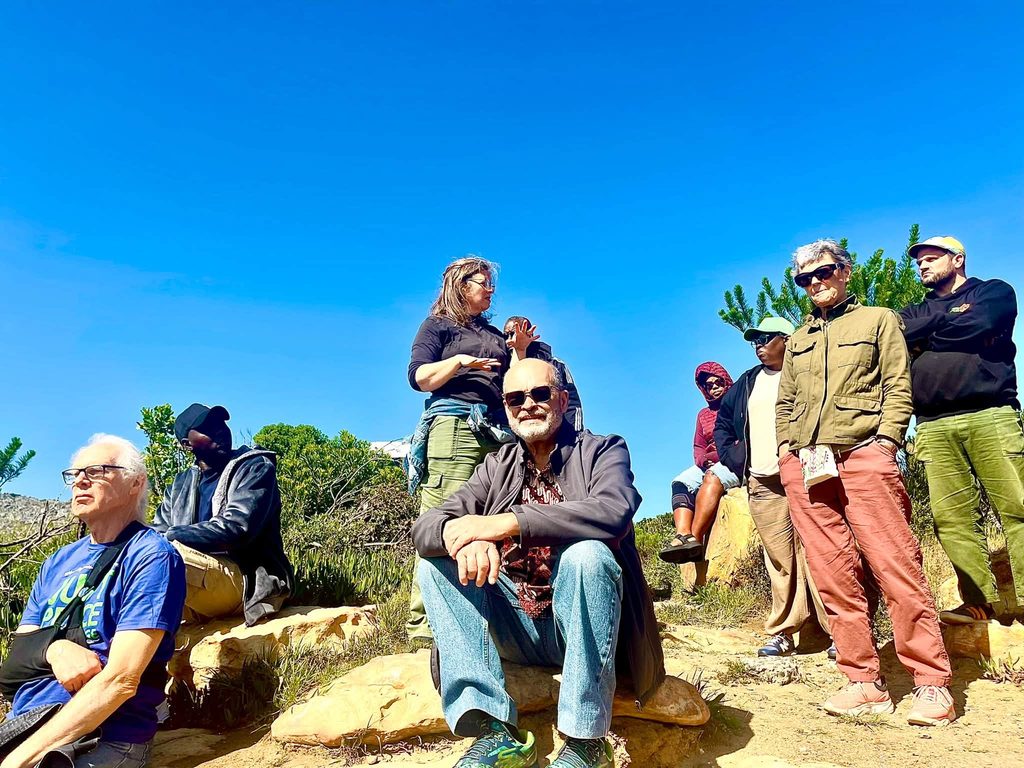
During our Just Peace Pilgrimage sojourn in Cape Town, we reveled in the beauty of this southernmost city at the end of the African continent. In recent years, Cape Town — the “Mother City” — has drawn not only millions of tourists, but also large numbers of foreign residents. Their home purchases have made the prospect of owning a home out of reach for so many who have lived there all their lives. When the curtain was pulled back, we saw the glaring inequities, the history of displacement and dispossession, the desperate struggle for survival for so many.
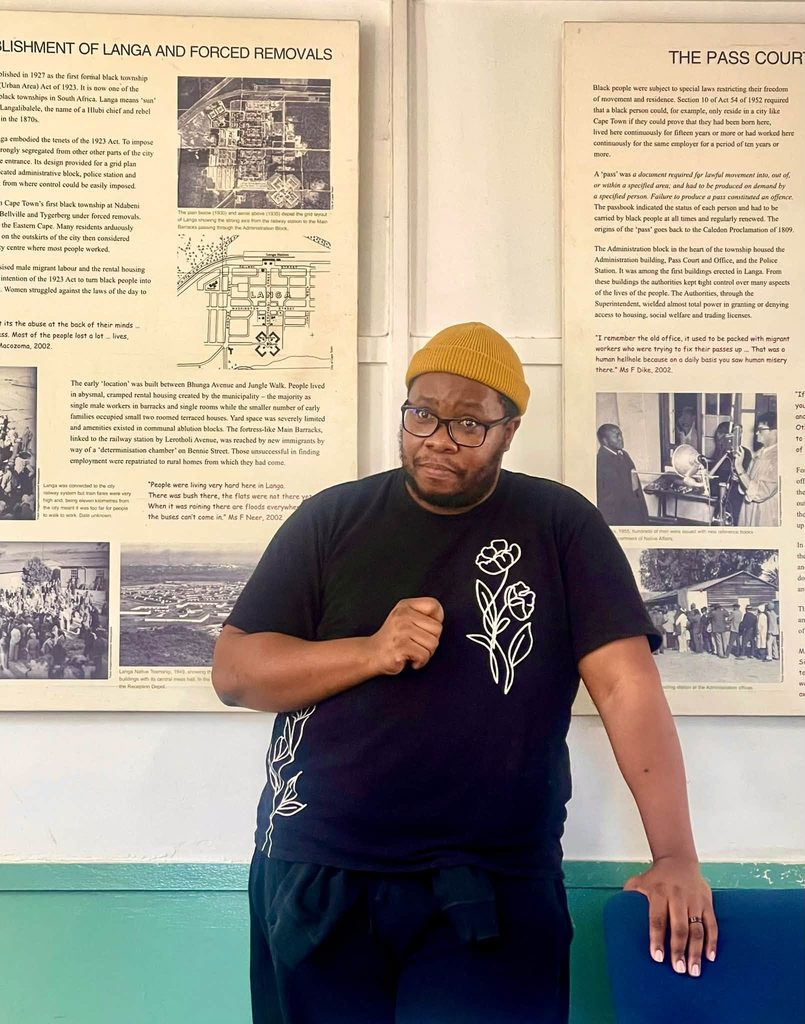
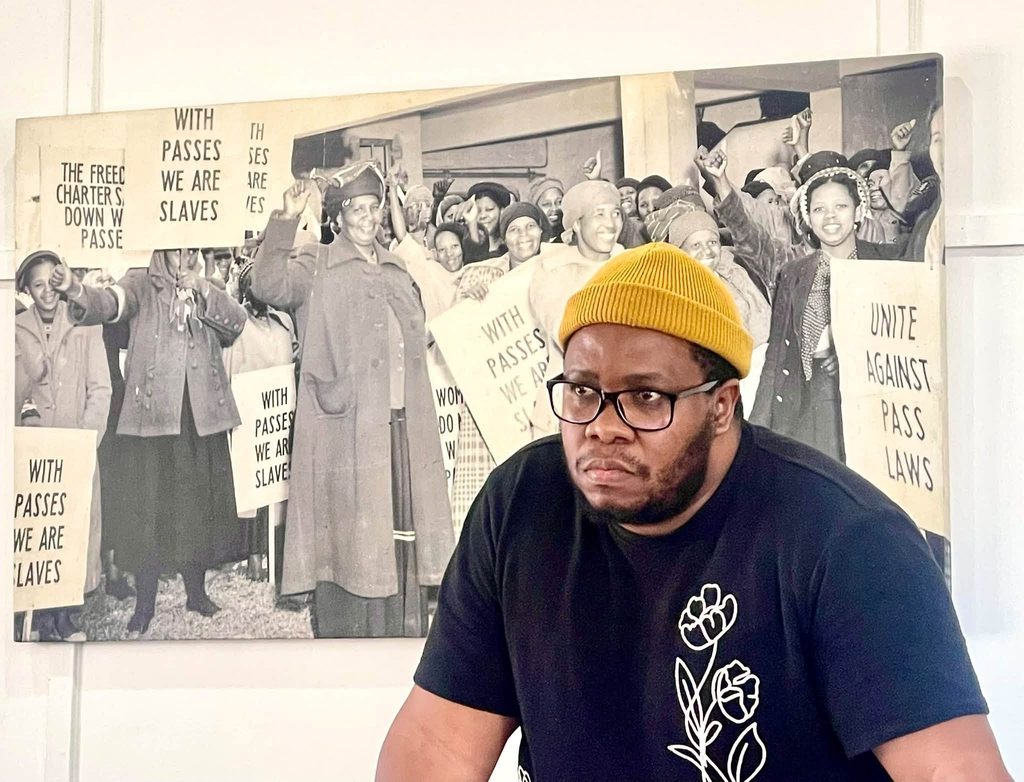
We went to Langa and heard about the draconian laws (the Pass Book law among them) and unequal treatment based on skin color that forced (and still forces) so many to live in tin shacks devoid of services. We also heard about the District Six forced removal of so many to the Cape Flats, a breeding ground for sickness, gangs and breakdown in communities thrown together at the whim of the government.
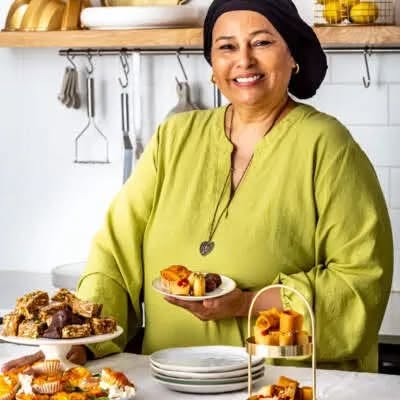
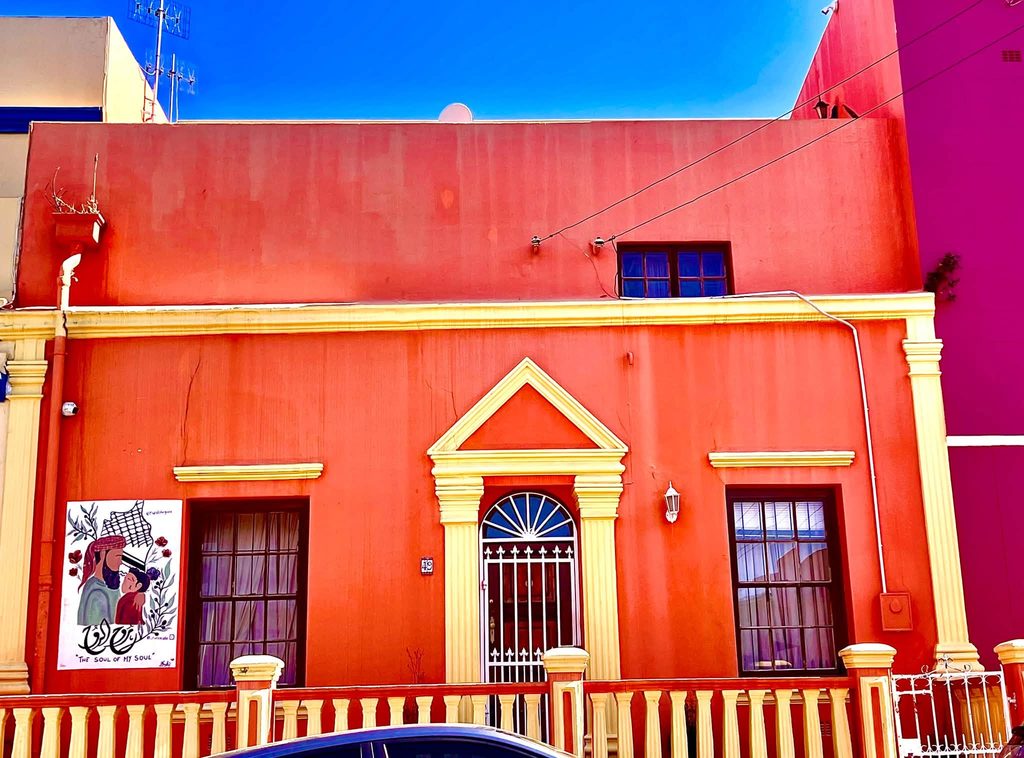
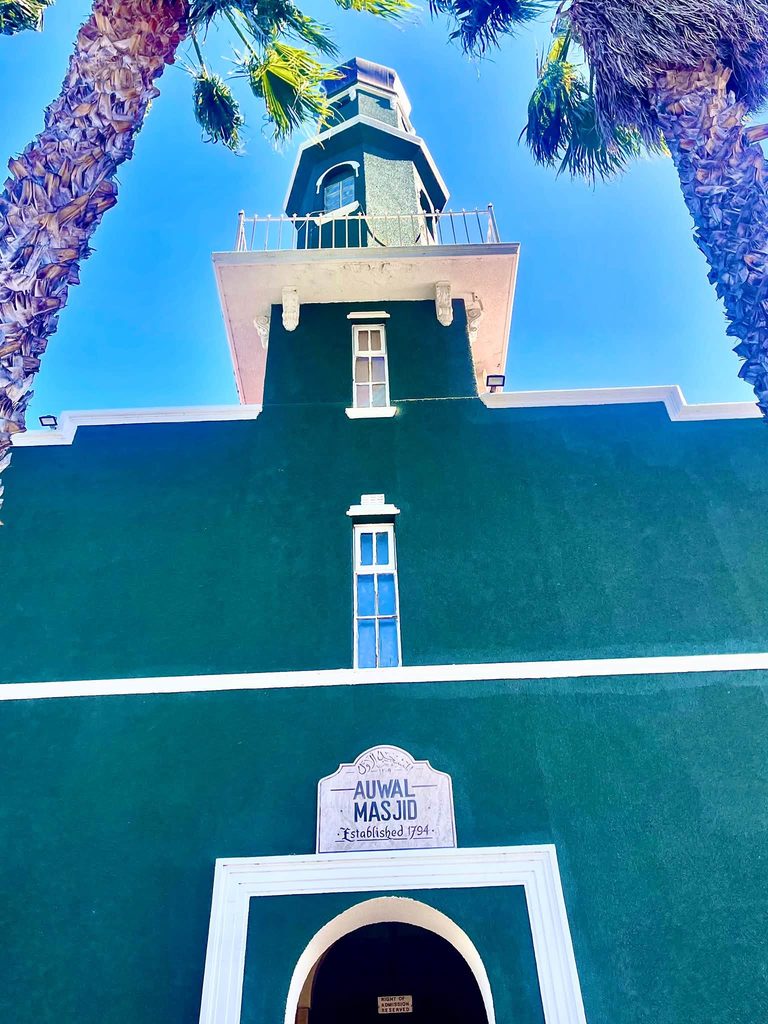
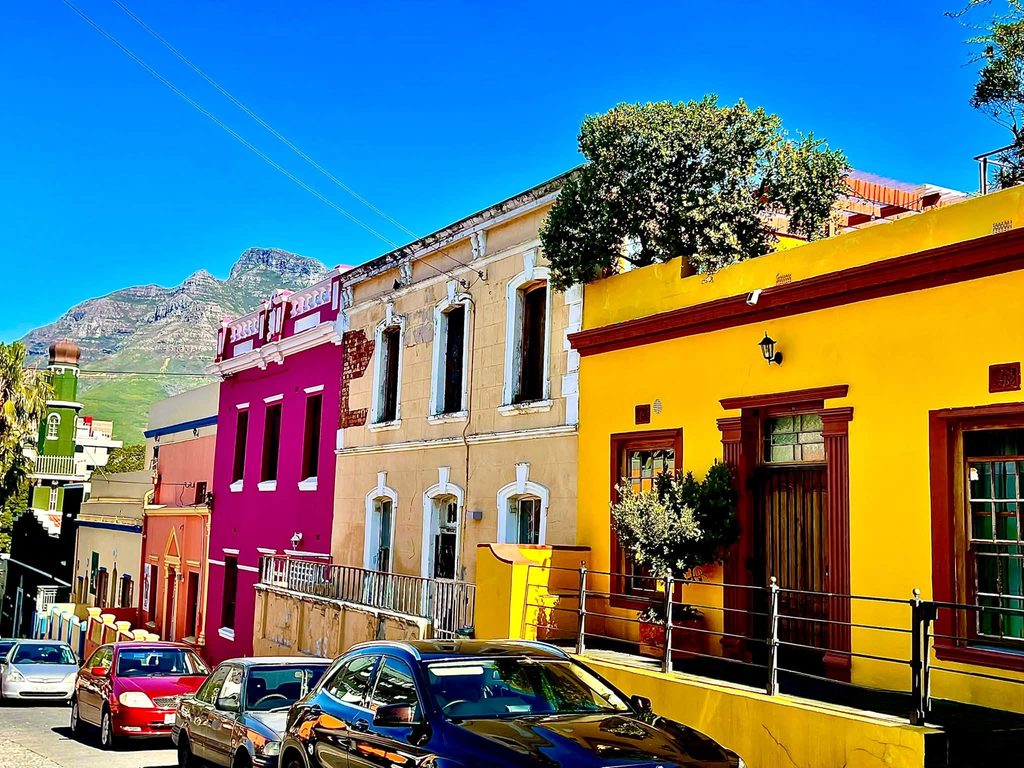
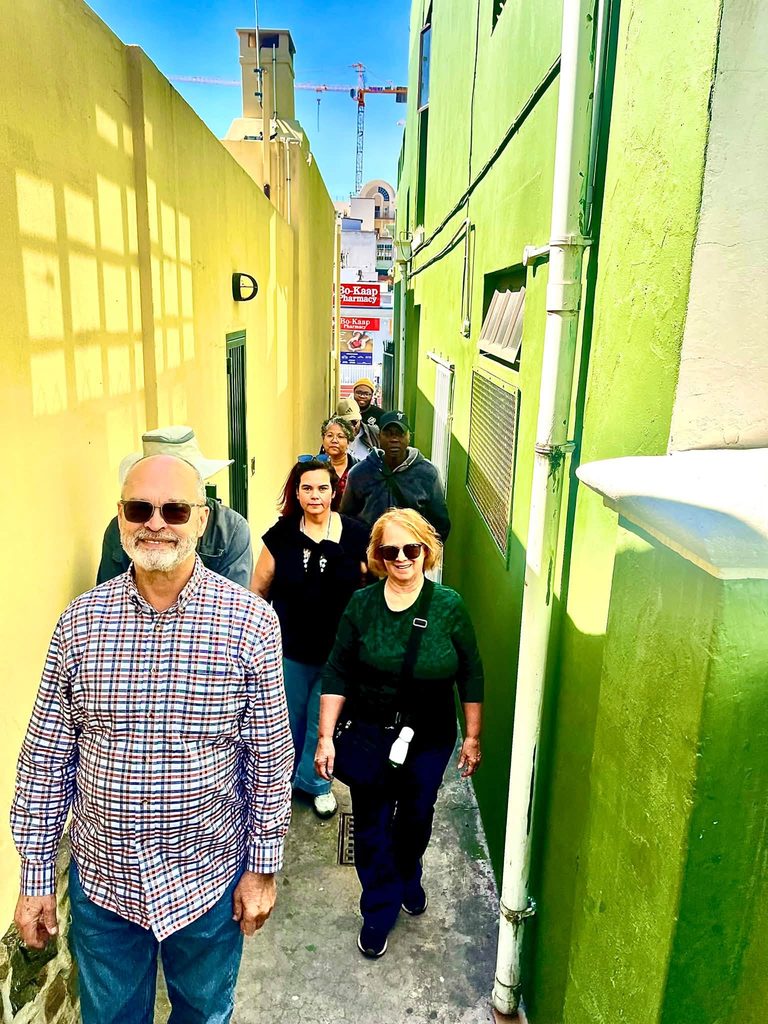
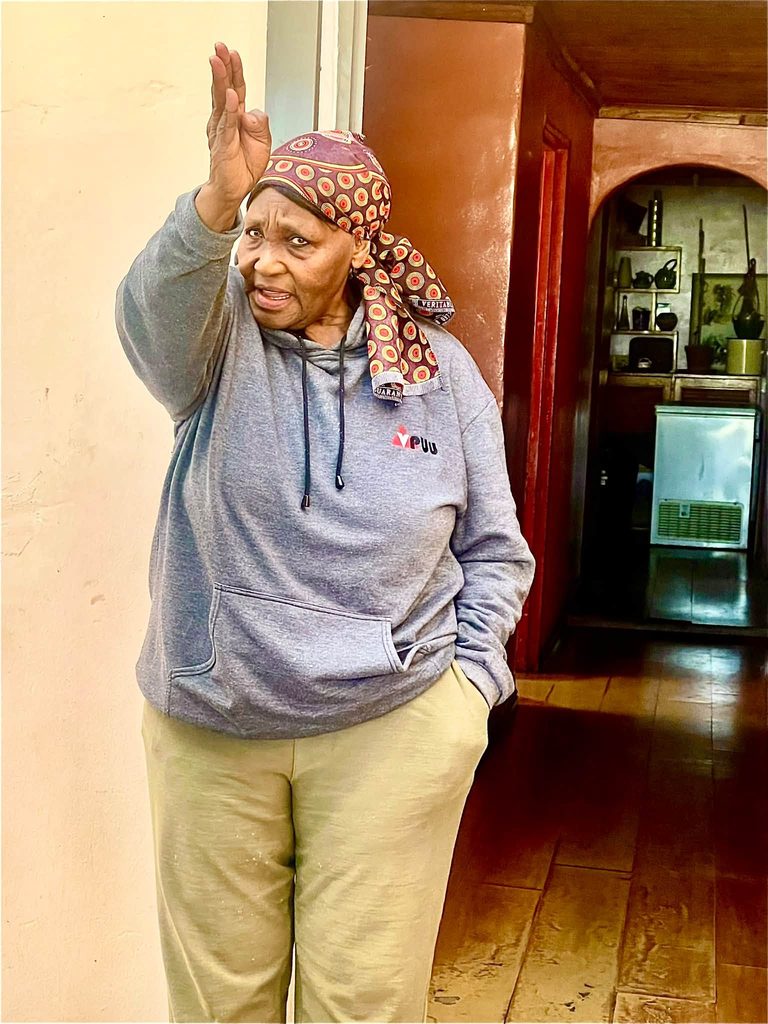
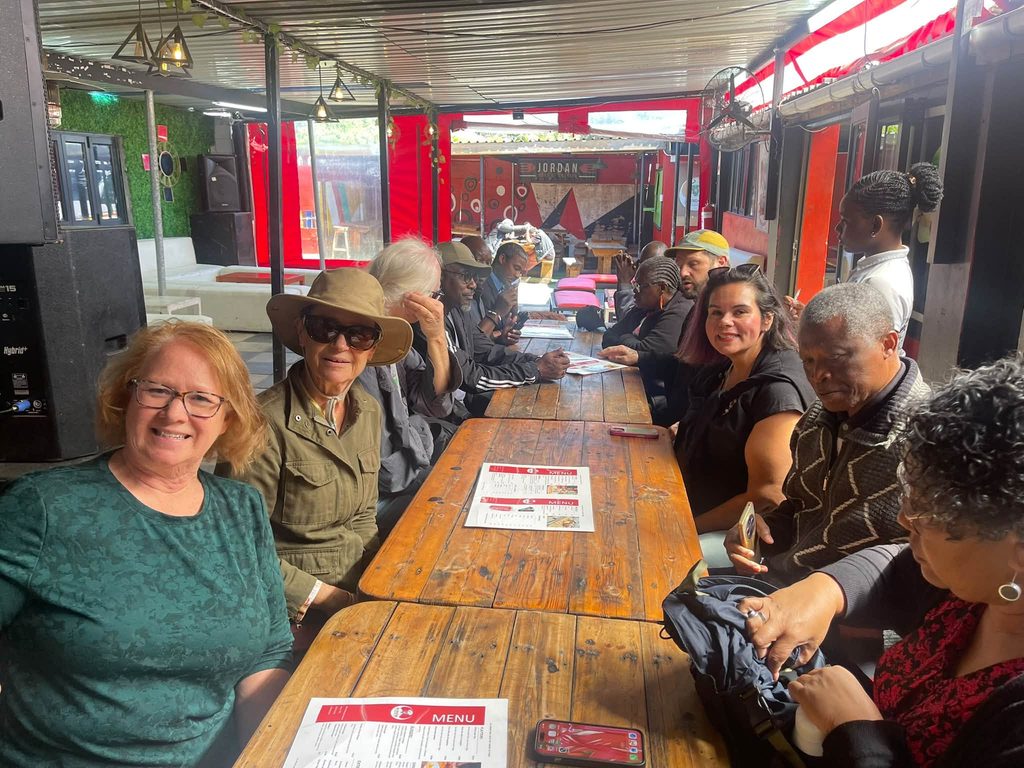
One community, BoKaap, made up mostly of Muslims who were brought as slaves from Indonesia to the Dutch colony at the Cape, were able to escape displacement, although their community has been deeply affected by apartheid laws. There, we visited a mosque that was built in 1793, attesting to the long history of this community in Cape Town. We also saw beauty in the design and appearance of the homes in which the residents take great pride. There we saw and tasted beauty at the table of one of the residents of BoKaap, Fayruza Abrahams, who has preserved the recipes of her forebears. Everything was delicious and she was a gracious host (I got two of her recipe books and can’t wait to try them).
As in all our lives, there often exists incredible beauty alongside enormous suffering and pain. The challenge, then, is to see and appreciate the beauty, and to wish for and work so that every person is afforded the opportunity to be able to also enjoy that beauty, rather than being mired by unjust and oppressive systems in having to struggle for survival so that the beauty is missed.
October 3 – Suddenly, beauty…
Wherever in the world you are, there’s always something that precipitates tears;
always some injustice, some broken relationship, some unexpected disaster or personal tragedy; some cruelty or oppression that diminishes human lives occasioning grief or rage.
Sometimes, and for some, these incidents seem like an aberration;
Often enough, for others, these calamities make them picture themselves as the Old Testament Job re-incarnated, just never seeming to catch a break;
They, and sometimes we, drag ourselves on leaden feet, doggedly straining toward survival, desperately holding on to hope that increasingly seems like a chimera;
Life seems filled with despondency and skies that give the impression of being perpetually grey and gloomy…
And sometimes the road seems too long.
And then there are days, when the clouds break;
Days when something, despite our despair and disposition, compels our gaze upwards…outwards,
Then, amidst the soul-destroying calamities we face, suddenly, unexpectedly, beauty shines through:
…a hummingbird drinking deep from the beckoning flower,
…a bevy of bees buzzing and buried in welcoming blooms;
…cicadas, frogs, and crickets creating a soundscape in the early evening akin to a soothing lullaby;
…an enthralling sunset painted across the horizon in hues of orange, purple, red and pink;
…a flock of birds flying nonchalantly in perfectly choreographed formation overhead;
…a brightly blooming bed of flowers bowls you over with its glorious magnificence;
…a dog, with eyes overflowing with love licks your face;
…a little child blesses you with a visage of joy and innocence…
…and suddenly, beauty.
We can hardly escape the vulgarity, callousness and malevolence all around us…
But when we are overwhelmed by the misery, anguish, and desolation that assail us, beauty unveils its face – beauty that is always there — if we let ourselves see it, feel it, be it.
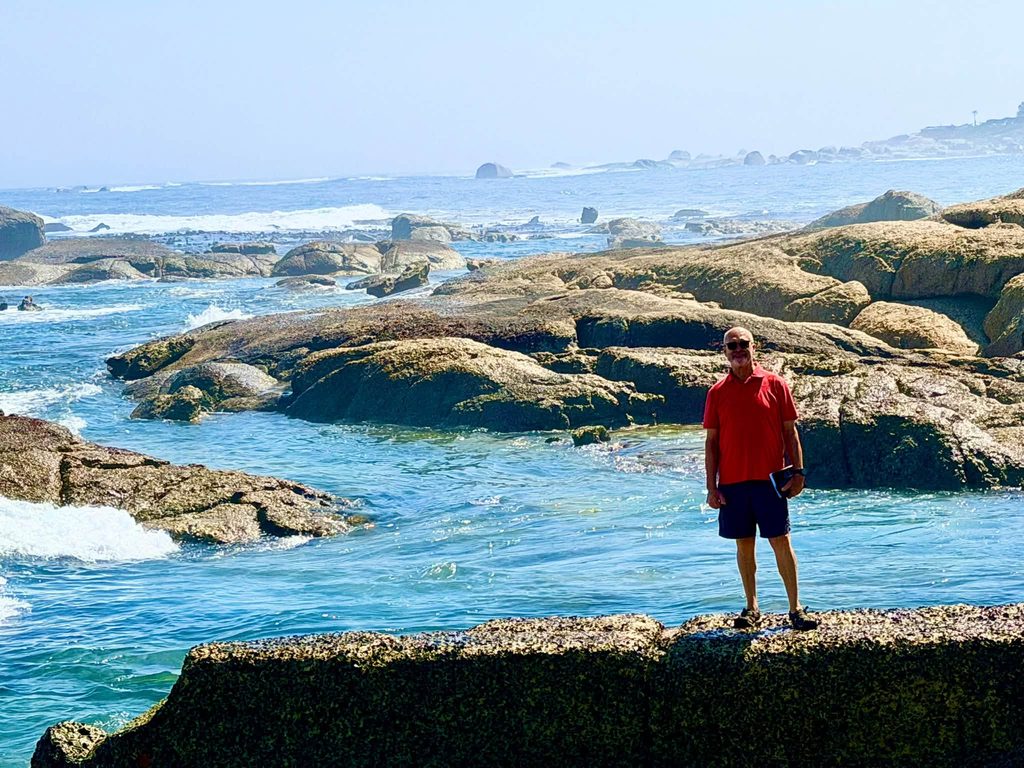
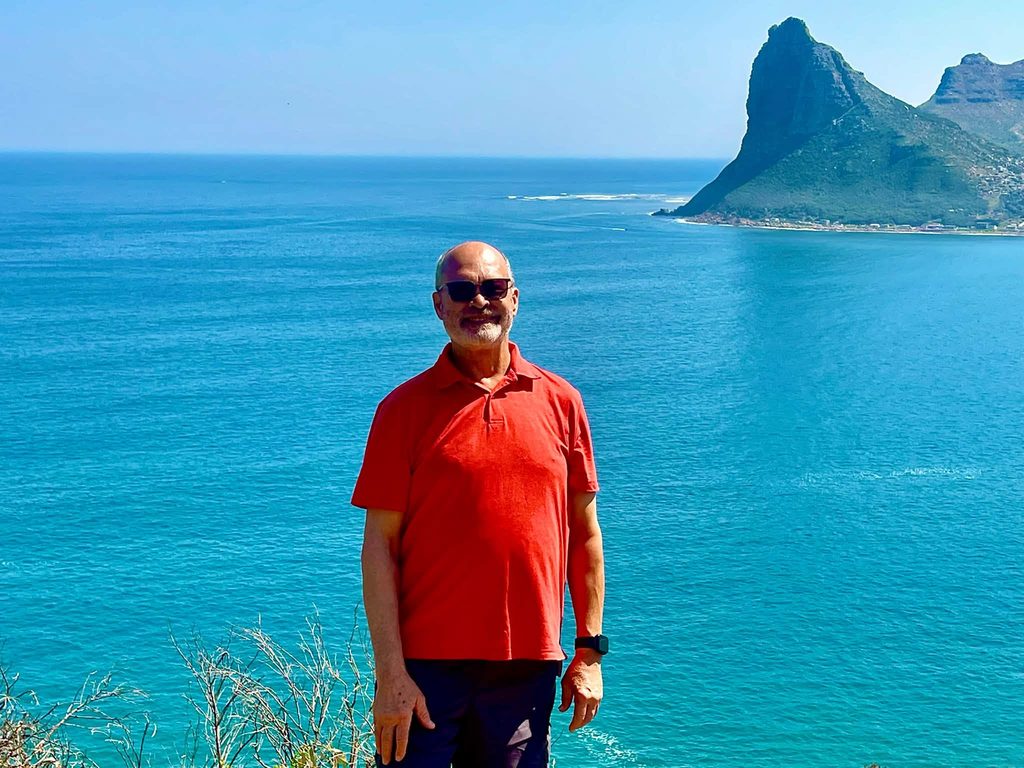
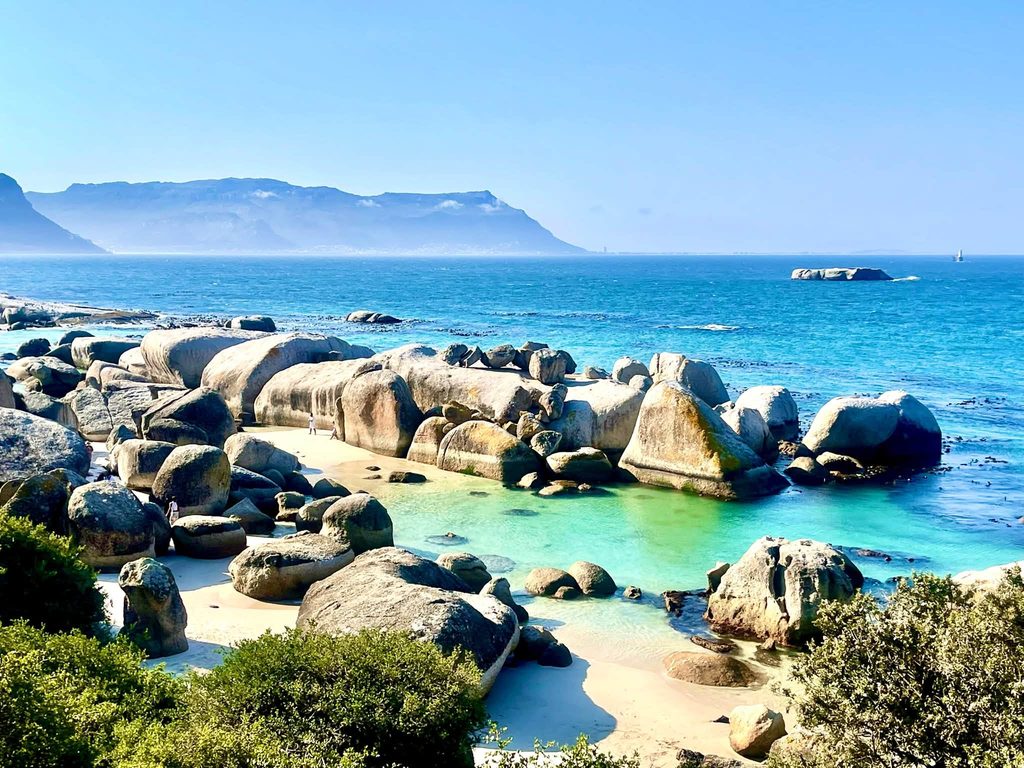
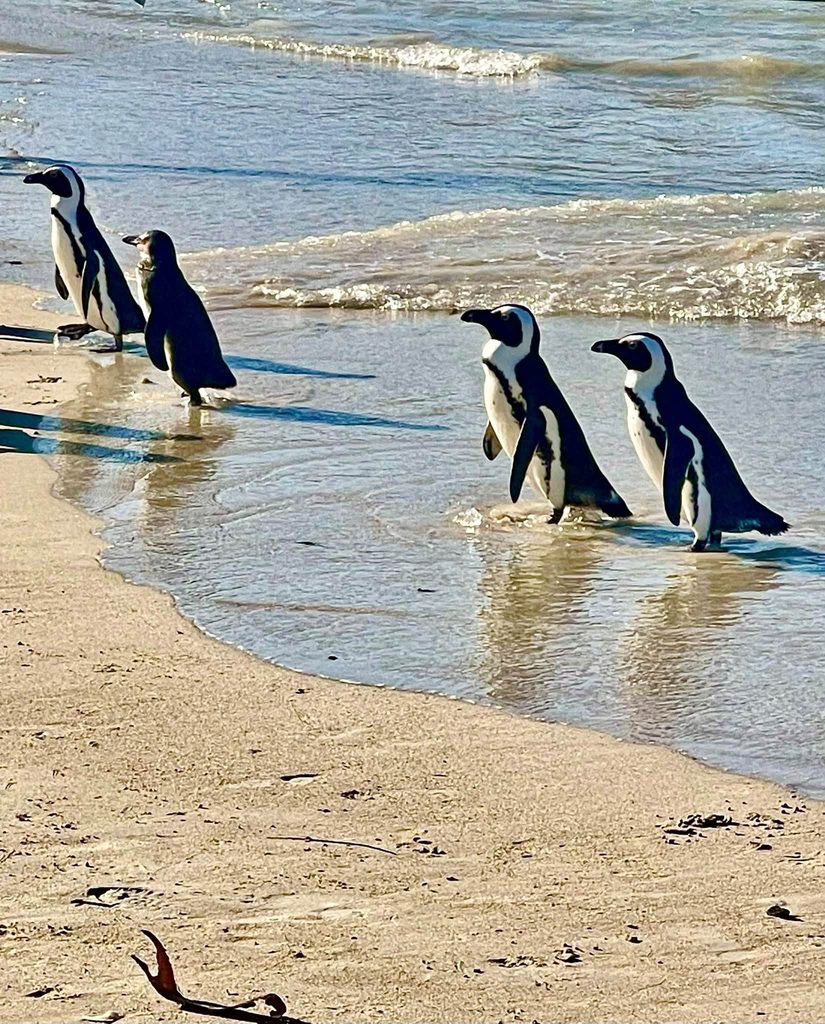
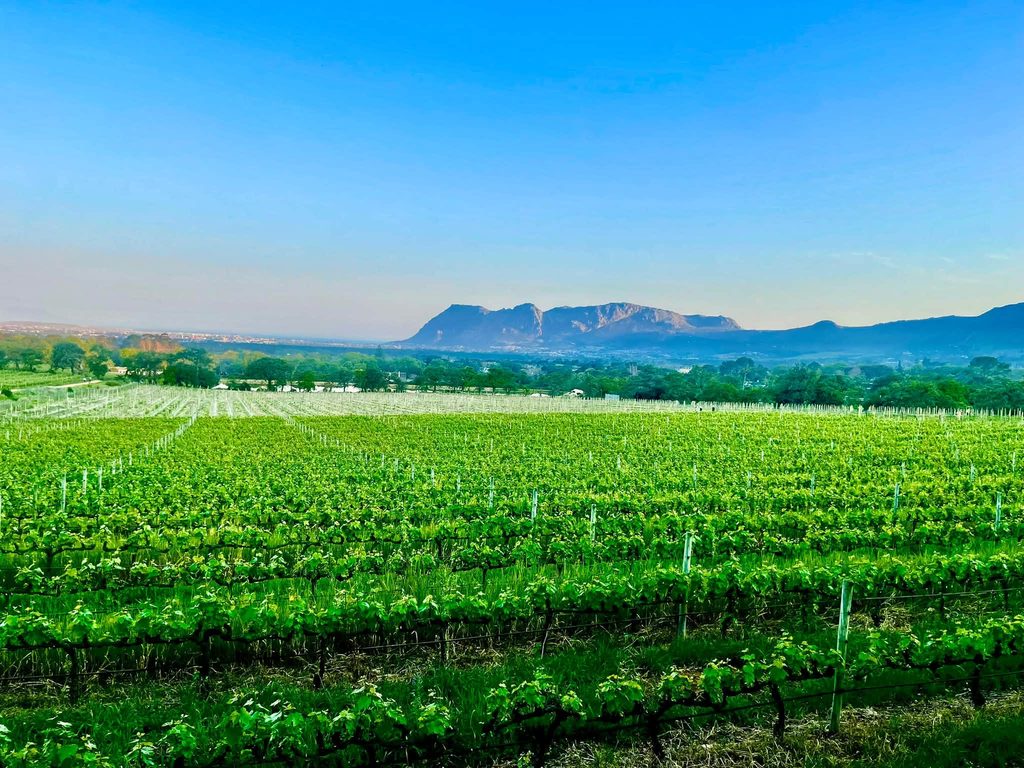
We witnessed the ugliness, the demoralization and blight in Cape Town that are absent from the glossy tourist brochures; our pilgrimage would not be whole if we didn’t also observe and reflect the beauty that the city bestows on those blessed to be in its environs (see images).