
Voluntary service with SOOP brought new friendships and a broader view of how to serve alongside a community.
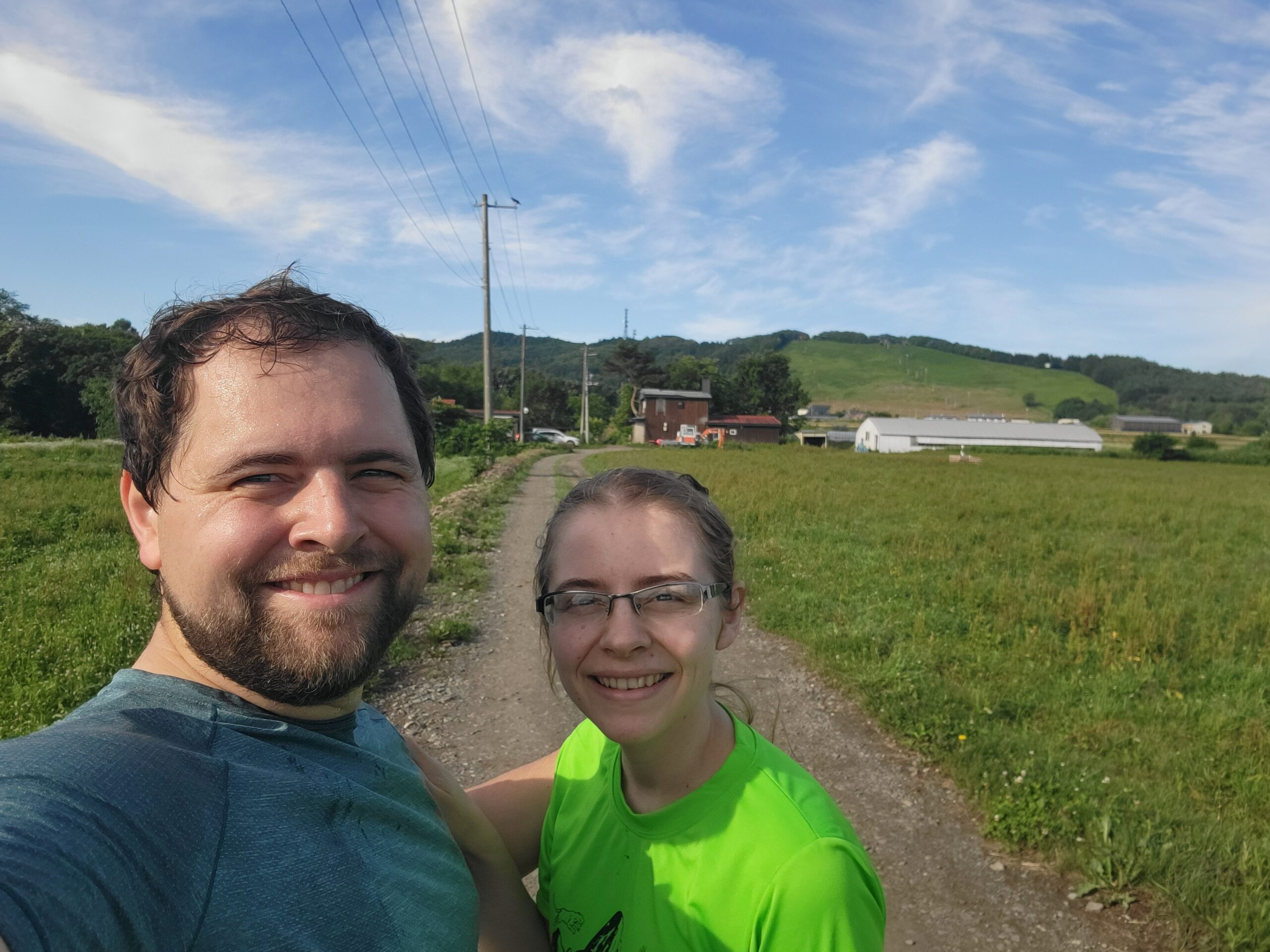
NEWTON, Kansas (Mennonite Mission Network) – Alexander Martin and Rachel McClatchey knew a rare opportunity when they saw it.
The couple had wanted to do an extended service assignment for some time, but work and life schedules never allowed for it. Even before they met, Alexander had wanted to, “experience service in a new place that I was unfamiliar with,” he said in a recent interview. “That had been on my bucket list.”
Then, in the summer of 2026, Rachel switched jobs and got the chance to take off a few weeks in between. Alexander had an unused sabbatical opportunity through his job. With a little strategic scheduling, they realized this was their chance to make that bucket-list experience a reality.
Growing up in the Mennonite church, Alexander had participated in short term service trips with his youth group. He had also heard of opportunities for longer-term service through organizations like Mennonite Mission Network. As he and Rachel browsed through the website for current service placements, SOOP (Service Opportunities with Our Partners) stood out – particularly a placement to serve at Menno Village in Hokkaido, Japan. SOOP is a service program of Mission Network.
Rachel said they were looking “not just to travel and explore the world, but to reach outside ourselves and give back to the global community. SOOP had a lot of projects that felt like they were contributing in a very tangible way.”
Service alongside community
Menno Village is an 80-acre hillside farm near the city of Sapporo on the northern Japanese island of Hokkaido. Established in 1995, the Christian community is an agricultural initiative of Mennonite churches in the surrounding area, with the goal to emphasize sustainable agriculture and creation care.
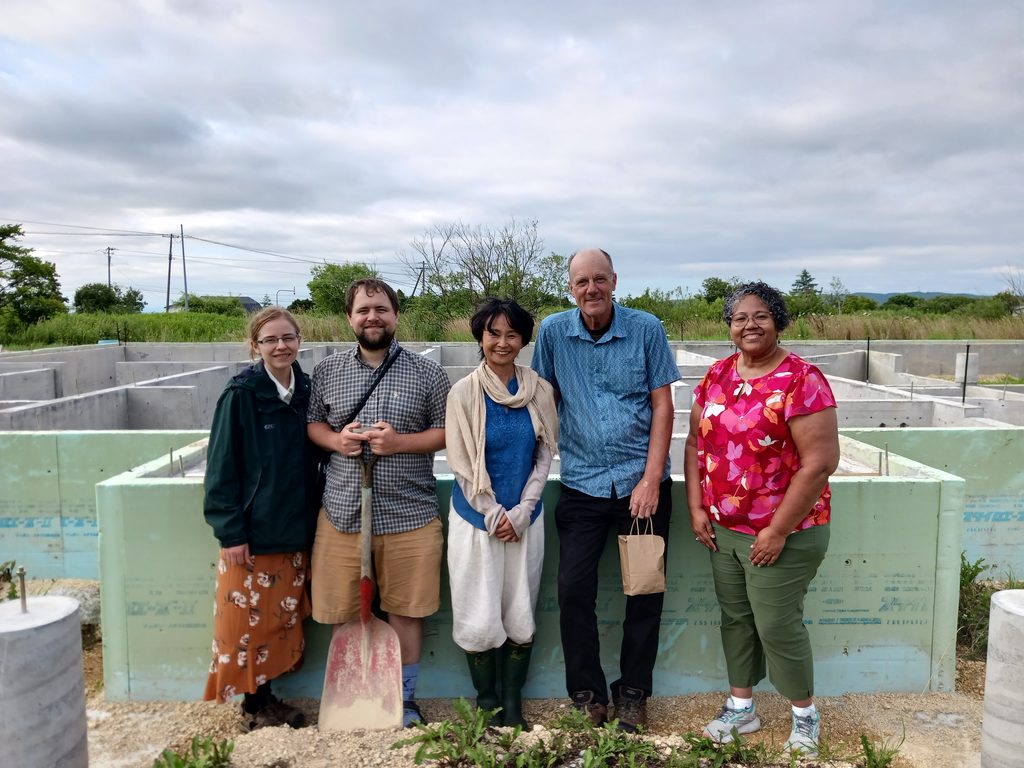
Akiko Aratani and Ray Epp live and work at Menno Village along with their family. The couple are Mennonite Mission Network mission associates. Over the years, their work has expanded beyond farming to include peace education, regenerative agriculture demonstrations, and advocacy on trade policies, seed laws and genetically modified organisms (GMOs).
The SOOP placement at Menno Village called for volunteers to assist in construction and participate in the daily rhythms of prayer and food life of the community: growing and preparing food, eating together, and cleaning up after meals.
When Alexander and Rachel arrived at Menno Village in mid-July for their two-and-a-half week service placement, they were ready to jump right into work. The weather, however, had other plans.
An unexpected chance of pace
For the first five days, it rained. The construction project – prepping I-beams for the roof of a future worship, retreat and education space called the Hitsuji (Sheep) house – would have to wait.
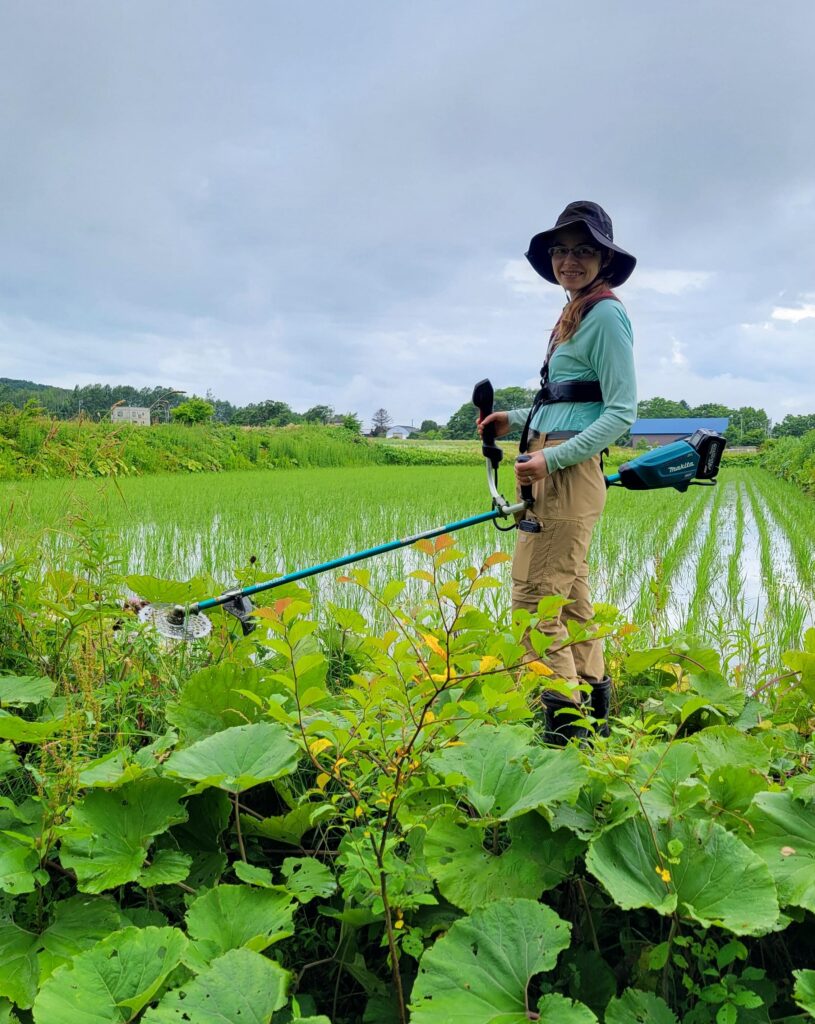
The farm still offered plenty of work to do, but at a decidedly slower pace. Weeds in the rice fields needed trimming, and sheep needed to be moved between pastures. Alexander and Rachel prepped food and shared communal meals with Akiko, Ray, and other family members. Ray welcomed their help sorting seeds to make a planting mixture that would be distributed to farmers across Japan to help regenerate the health of their soil.
Between those activities was plenty of unscheduled time. For Alexander and Rachel, both coming from high-energy, intensive jobs, this time was a blessing in itself.
“[The weather] made us slow down and reconsider that we don’t just have to work and work and work and try to contribute,” said Rachel. “That’s still selfishly, in a way, trying to serve our own purpose to want to get stuff done. Instead, we had to take a step back, breathe for a second and see what was actually needed right [then] and what actually is something to help this community.”
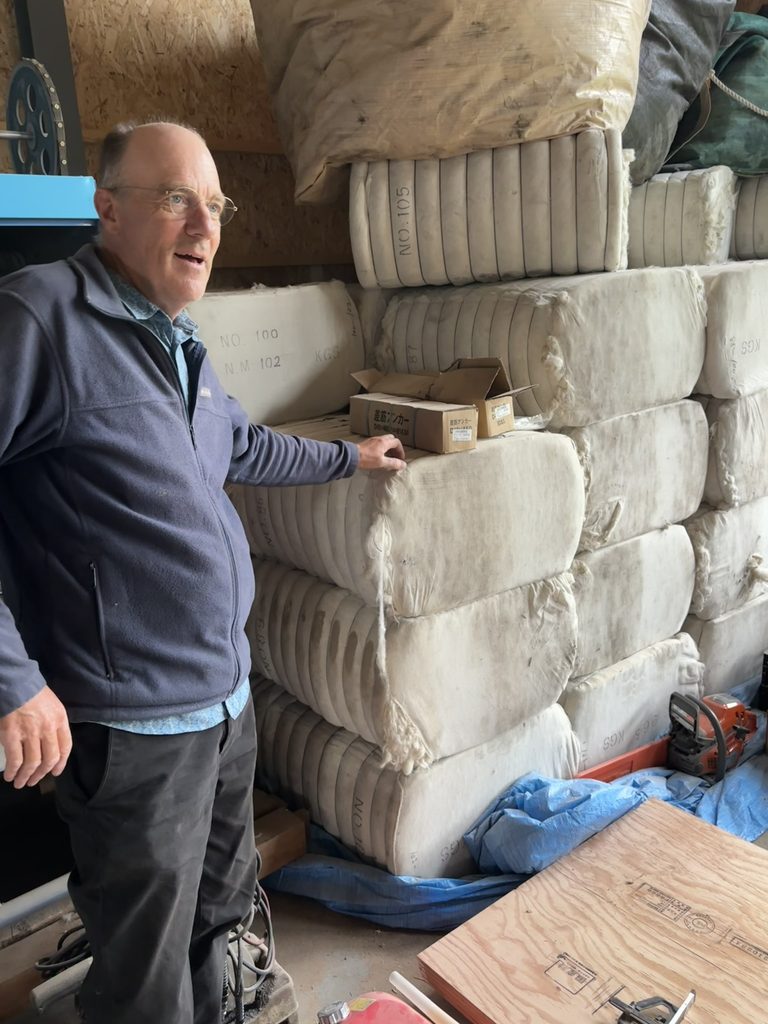
Eventually, the skies cleared, and construction work resumed. But the perspective shift the rain brought stayed with Alexander and Rachel for the rest of their time at Menno Village. They took time for pre-breakfast runs in the countryside. They read, made art, and did devotionals and reflections. Over the weekends, they visited congregations in Asahikawa and Sapporo, joining in worship and sharing what brought them to Menno Village. By the end of their service assignment, they felt rejuvenated in a way that a typical vacation didn’t provide.
“I think the things that you see while sightseeing are the things that are already there to see in the world,” Alexander reflected. “But the things you can see while serving are the things that are not already there and […] not necessarily obvious from the outset.”
Settling into routine
Living within an intentional community and prioritizing relationships over productivity made Menno Village “start to feel a little bit like home,” he said. “You get used to it. You notice the smaller things about it.”
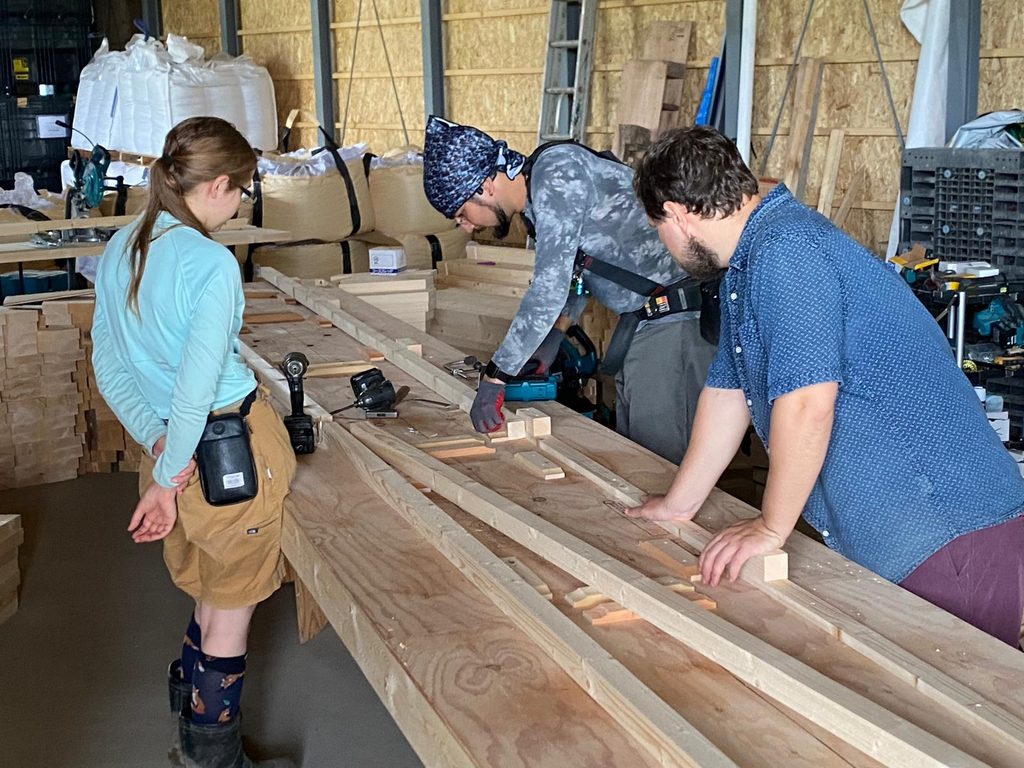
Alexander and Rachel plan to do more voluntary service work in the future, applying their new perspective on building relationships in addition to building hands-on projects.
“It opens the door to do other opportunities that might be a little closer to home,” said Alexander. “You know,” he added. “Maybe not a 12-hour flight away.”
Your support makes service opportunities through programs like SOOP possible. When you give to Mobilize for Peace, your gifts give Mission Network the flexibility to apply funds where they are needed most: ministry worker support, global partnerships, church resources, voluntary service programs and much more.