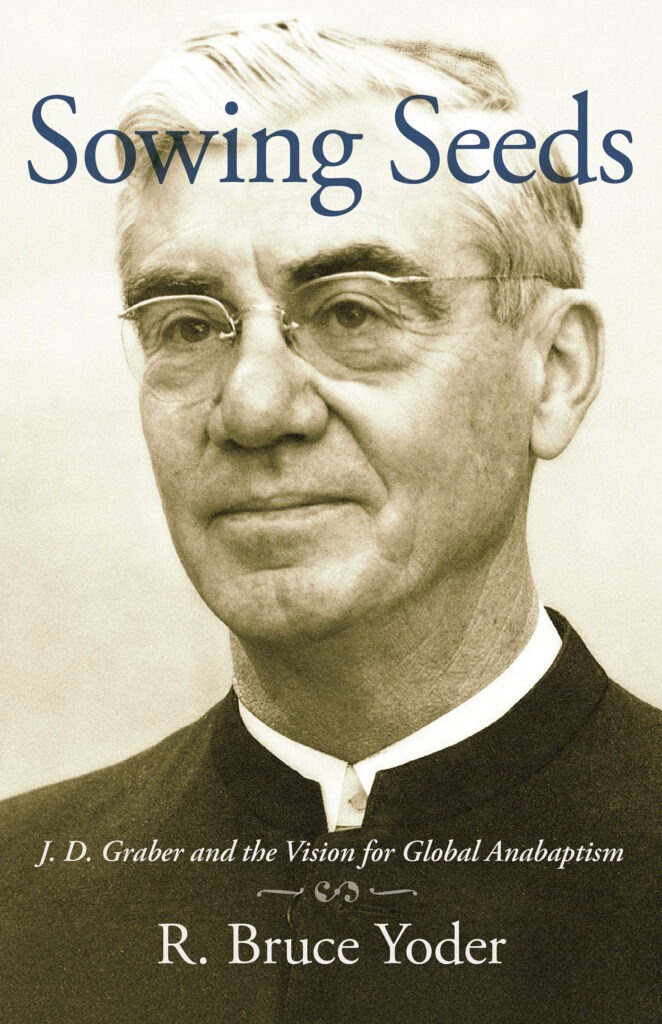

In Sowing Seeds, “Mr. Missions of the Mennonite Church” points the way forward
Sowing Seeds: J.D. Graber and the Vision for Global Anabaptism is a biography of “Mr. Missions of the Mennonite Church,” who began 43 years of mission engagement when he and his wife Minnie (Swartzendruber) Graber traveled to India in 1925. Their sending agency was Mennonite Board of Missions and Charities (MBMC), a predecessor agency of Mennonite Mission Network.
Confronting racism at home
However, Joseph Daniel Graber’s influence wasn’t only on overseas mission. As the MBMC executive secretary, beginning in 1944, he also spoke out boldly against the racism that separated most Mennonite congregations of predominantly European ancestry in the United States from African American and Latinx people in their communities.
One of his often-repeated phrases was, “Every church a mission outpost” and Mennonite congregations multiplied dramatically during the late 1940s and 1950s. However, a common practice, wrote R. Bruce Yoder, author of Sowing Seeds, was for congregations to initiate mission work at up to 50 miles away, sufficiently remote to protect their own services from an influx of converts of other racial and ethnic backgrounds.
In 1951, Graber wrote in the Gospel Herald, the Mennonite Church’s newspaper at the time, “What a travesty on the meaning of a New Testament church to have it made up of a group of self-satisfied and self-righteous people, loud and zealous in their profession of wholehearted Christian living and hesitating to allow their neighbors of a different cultural pattern to come in! Surely there is something wrong.” (Sowing Seeds, p. 149)
One example of this kind of conflict took place in Chicago, Illinois, in 1952. White members of the Chicago Home Mission congregation objected to African Americans worshipping with them and feared vandalism to their building by neighbors in revenge for their integration. So, the church council decided to bus Black Sunday school students to a neighboring Black church each week.
Graber wrote an emphatic response, “We dare not exclude [Black] children from our Sunday school nor the parents from our church services [emphasis in the original]. To do so lines us on the side of prejudice and vested privilege. A New Testament mission dare not be on that side. If we represent our Lord and His Gospel, truly we shall always find ourselves out in front on these issues where it is dangerous, and not safely behind a solid front of prejudice.”
Yoder said that toward the end of his ministry, Graber critiqued ethnocentrism in the Mennonite church.
Charting a new course for postcolonial mission
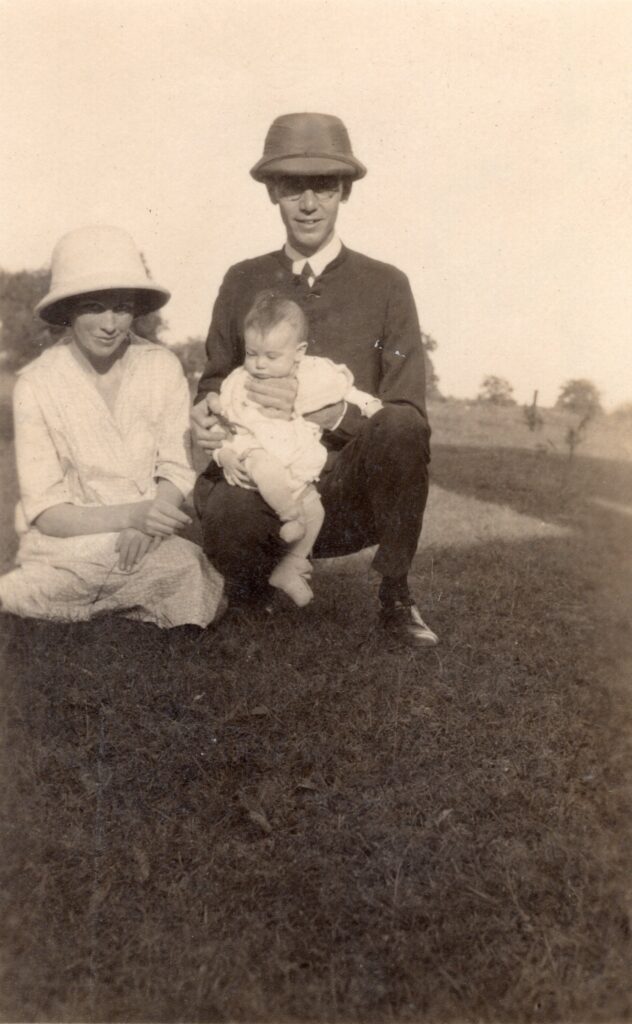
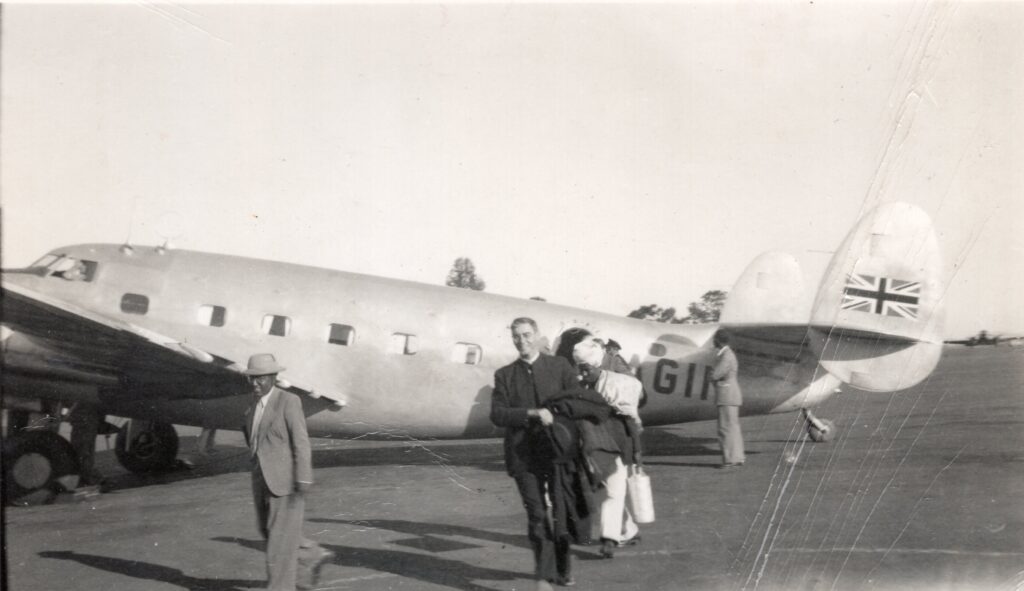
J. D. and Minnie Graber served as missionaries in India from 1925 – 1942. Yoder reported that during this time, both J. D. and Minnie communicated that they learned much from the church in India.

“They developed deep friendships, they learned to pray, and they learned about spirituality from their brothers and sisters in India. Focusing on these equitable relationships was more important than institutional work, the schools and hospitals that were part of mission work of the day,” Yoder said. “That started them thinking about what is a faithful way to do mission, a way that gets beyond some of the colonial practices that they had found when they first went to India.”
In 1944, J.D. Graber became the first Mennonite mission executive to have extensive cross-cultural experience. He was a fluent Hindi speaker, who had immersed himself in Indian culture, which helped him understand the importance of dismantling colonial mission structures in favor of “indigenization” of mission, a term that he used frequently throughout his lifetime.
“As a firsthand observer of the Indian independence movement that Mohandas K. Gandhi helped lead, [Graber] understood better than most Western missionaries the need for new, postcolonial attitudes and approaches,”
Yoder wrote in Sowing Seeds (p. 15)
Yoder reported that, as a mission administrator, Graber critiqued his own missionary work and was always looking for ways to move beyond the colonial mindset.
Graber served in leadership at MBMC until 1967. During this time, he laid the groundwork for “a new day in mission” that is the basis for the current partnership approach that is practiced by Mennonite Mission Network, where mission workers are invited by partners in North American and around the world to collaborate in God’s work. This mission paradigm calls for a critique of all cultures, even as it seeks to contextualize the good news of Jesus Christ in a particular culture. It calls for mutual conversion of all involved in the mission endeavor.
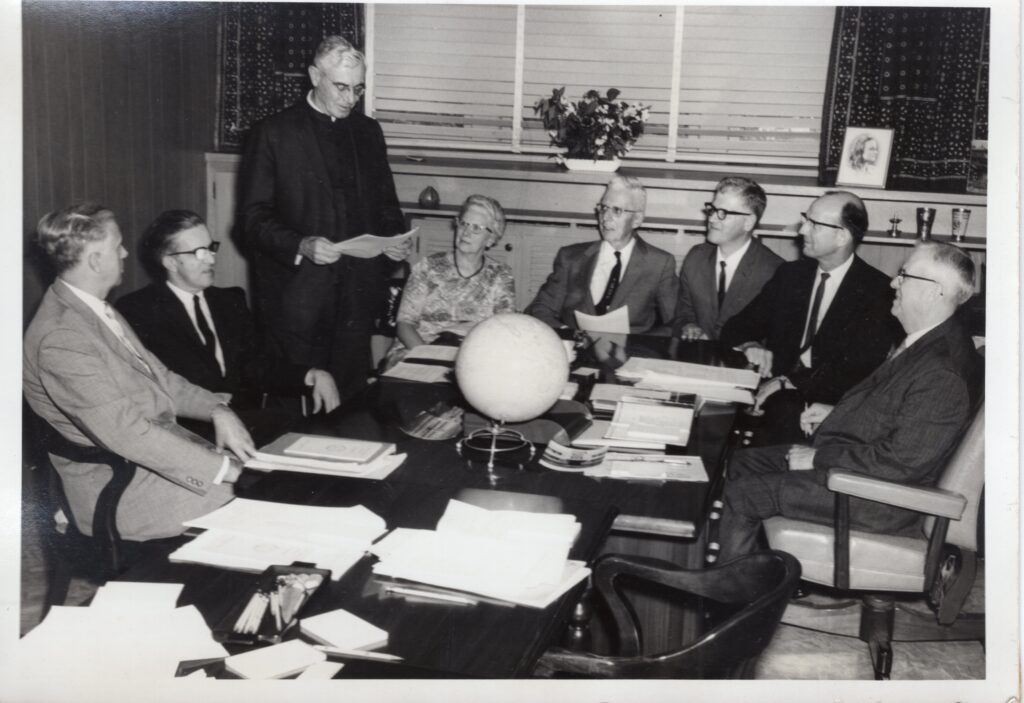
While Graber was not a systematic thinker in his approach to theology or racism, he was a prolific writer and charismatic speaker. Yoder estimates that Graber wrote more than 700 articles and editorials in the Gospel Herald, in addition to his correspondence as a mission worker and administrator.
Yoder characterized Graber as a visionary. “He was able to analyze the world around him, envision what might be in the future and then motivate people to engage that future. That’s a real gift and part of his leadership ability. He was a good communicator.”
Graber walked “along with the church over the decades, as it moved from a seclusionist Mennonite Anabaptist approach to the world, to one that sought to engage the world. He thought that [Anabaptist Mennonites] had something to offer the world,” Yoder said.
Relevance for today
Sowing Seeds is readable, filled with human interest stories, even as it fulfills all the requirements of rigorous scholarship. According to Yoder, this rare blend was facilitated by Graber’s life. Graber was highly relational and motivated by curiosity, so he made friends of many, including a ship captain as he crossed the Atlantic Ocean. Yoder said that he thinks Sowing Seeds will be of interest to all people, “who are trying to be faithful as they engage the world around them.”
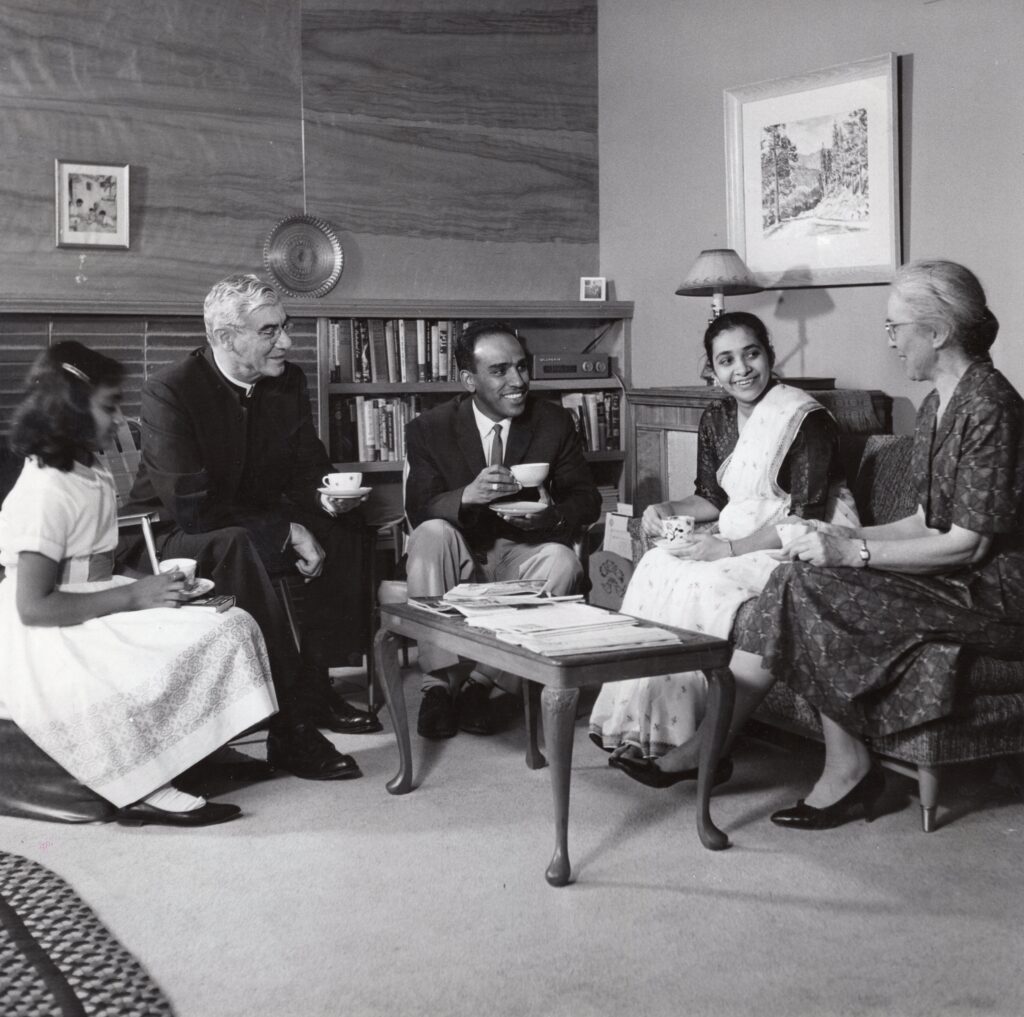
Yoder, along with counsel from editors, settled on the title, Sowing Seeds, because it describes multiple aspects of Graber’s life. At the beginning of the 20th century, when Graber started planting mission seeds, two-thirds of Christians lived in Europe and in North America. By the time the century ended, about two thirds of the world’s Christians lived in the global South.
The Grabers and other missionaries in India were disappointed when, after three decades of their work, there were only a couple thousand Christians, “So, it was a time of sowing seeds, that later would become much more fruitful,” Yoder said.
But Graber also planted seeds as a gardener. He grew up on a farm in Iowa and, as an adult, he had a garden. He would joke about gardening instead of golfing, as many executives did. After a hard day in the office, he would work in his garden to unwind.
The publication of Yoder’s Sowing Seeds is timely, in keeping with Anabaptism’s 500th anniversary theme, “Looking Back, Living Forward.” Reading Graber’s approach to divisive issues can be instructive for today’s Mennonites.
Yoder notes, that if we overlook Graber’s life, “one has missed an important part of what happened in the story of 20th-century Anabaptist Mennonite life in North America.”